Every year, new smart technology hits the shelves promising to change how we live. People buy gadgets hoping for smooth performance. Yet many users still feel let down by flaws that should have been fixed.
Maybe your wireless earbuds die faster than expected, or a smartwatch misses important notifications. These common problems can be frustrating for even the biggest tech fans.
This guide breaks down 5 popular tech gadgets that need serious improvement. We will explore what holds them back and how companies can do better.
The Innovation Gap in Modern Smart Technology
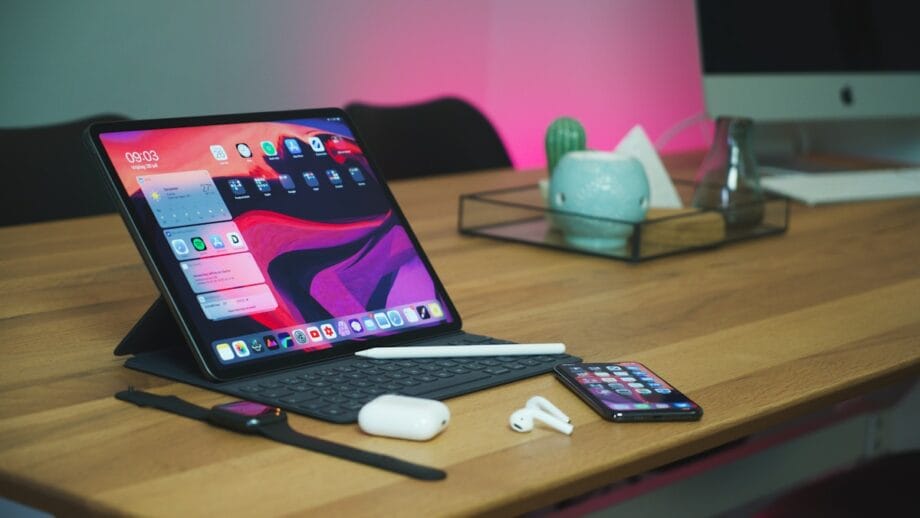
Big tech companies often flood the market with buzz about smart technology, but practical improvements fail to keep pace. Users expect big leaps in performance from devices, yet many upgrades are minor. Real needs get overshadowed by flashy features that rarely solve everyday problems.
Cost creates another hurdle. For example, while Apple Silicon chips promise better speed, high prices put many advanced gadgets out of reach. Thousands of online reviews criticize wireless earbuds for their poor longevity, even while praising their convenience.
These patterns show a clear gap between what technology offers and what people actually need day-to-day.
1. VR Headsets: Immersive, but Not Comfortable
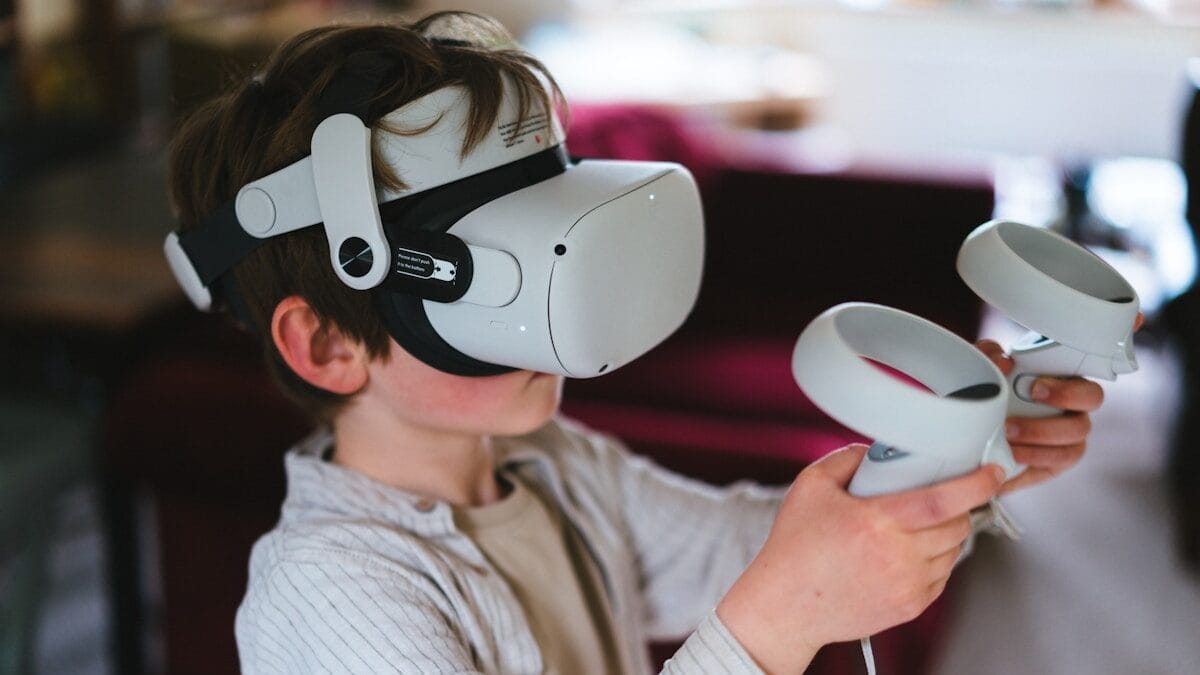
VR headsets promise a unique level of immersion, but users still face major setbacks. Devices like the Meta Quest 3 offer impressive visuals, yet their front-heavy design often causes neck strain.
Many gamers complain about motion sickness and dizziness, with studies showing that almost 40% of users feel discomfort during long sessions.
Even with improvements, many users report eye fatigue or headaches as the main reason they stop playing, comparing the experience to staring at an old CRT monitor.
High costs remain another barrier. While the standard Meta Quest 3 is priced around $500, higher-end headsets can cost much more. For VR to become mainstream, innovation must focus on lighter, more balanced designs.
User feedback shows that design adjustments to reduce physical strain during long use are highly requested. Data from extended product tests support the need for improved ergonomic designs.
2. Smartwatches: Still Struggling With Power and Precision
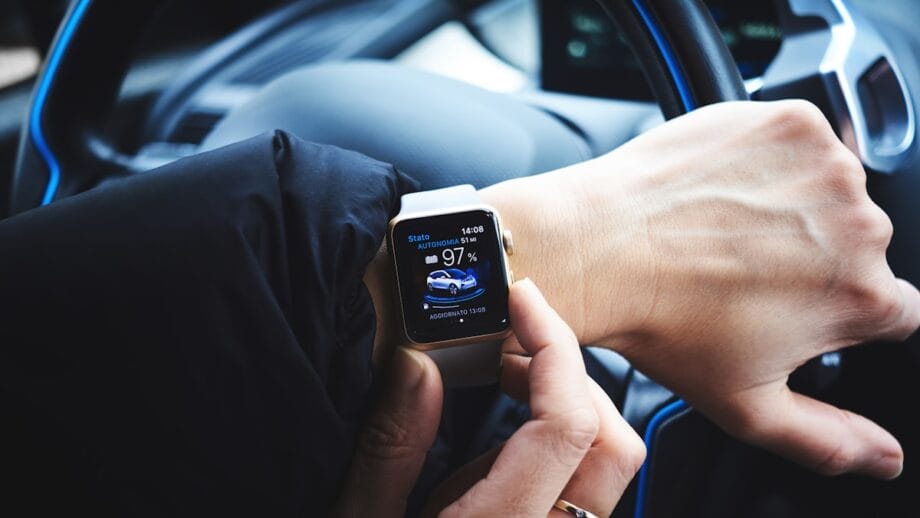
Smartwatches promise to bring smart technology to your wrist, but poor battery life and inconsistent health metrics disappoint many. Most popular devices require daily charging due to power-hungry AMOLED screens and constant biometric monitoring.
The Apple Watch Series 9, for instance, typically lasts about 18 to 36 hours, making it impractical for multi-day trips without a charger. In contrast, some Garmin models can last for weeks, appealing to users who prioritize longevity.
Consumers also face inconsistent health readings. While a 2024 viewpoint noted that ECG accuracy in consumer smartwatches can be high, other sensors are less reliable.
To become truly reliable companions, smartwatches need breakthroughs in battery technology and sensor accuracy. Users want devices that last for days and provide medical-grade data they can trust without needing a phone nearby.
Comparative tests across different smartwatch models show that power efficiency gains are small. Detailed reviews confirm that sensor stability remains a challenge.
3. Smart Glasses: The Future That’s Not Yet Ready
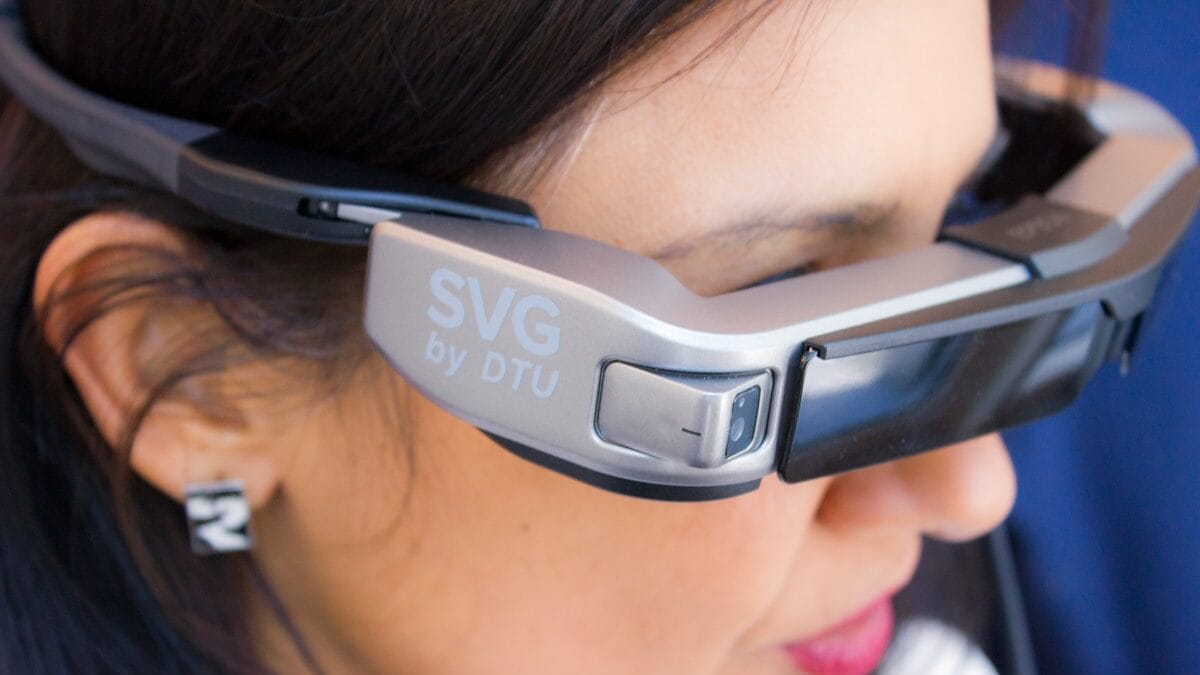
Smart glasses like the Meta Ray-Ban promised futuristic features, yet their flaws stand out. Bulky frames and limited functionality have held back widespread adoption since the early days of Google Glass.
One of the biggest complaints is dim displays that are hard to see in bright sunlight. Meta’s latest “Display” model, announced in 2025, tackles this with a screen capable of 5,000 nits of brightness, which is significantly brighter than most smartphones.
While the market is projected to grow, with IDC forecasting 18.7 million units shipped in 2029, the technology is still finding its footing. For smart glasses to become essential, companies need to deliver a few key improvements:
- Sleeker Designs: They need to look and feel like normal glasses.
- Longer Battery Life: All-day power is a must for a device meant to be worn constantly.
- A Clear Purpose: Users need a compelling reason to choose smart glasses over their smartphones.
User surveys indicate that design and practicality carry as much weight as technical specs. Market research points to the need for clear use cases and better aesthetics.
4. Wireless Earbuds: Compact Convenience, Compromised Longevity
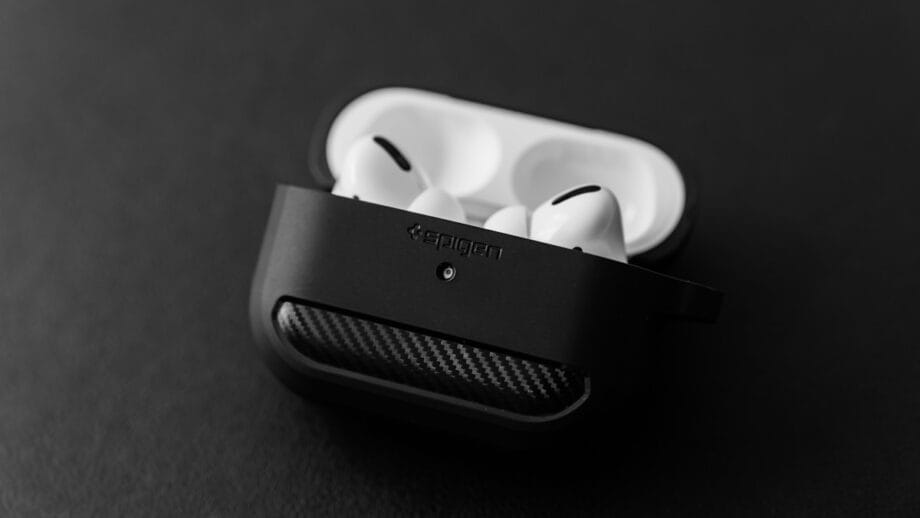
Wireless earbuds like Apple AirPods and Samsung Galaxy Buds offer incredible convenience, but their short lifespan is a major drawback. The small lithium-ion batteries inside begin to degrade quickly, often losing significant capacity within 18 to 24 months.
This issue is made worse by product designs that make battery replacement nearly impossible. The repair specialists at iFixit gave the AirPods Pro a repairability score of zero out of ten.
According to a United Nations report, global e-waste is expected to reach 82 million tonnes by 2030, with tiny devices like earbuds being a growing part of the problem.
Beyond battery issues, users often complain about poor microphone quality for calls and unstable Bluetooth connections. To win back consumer trust, manufacturers like Sony and Bose must focus on creating more durable products with options for repair and battery replacement.
Comparative reviews show that improvements in battery design remain limited. Such findings align with extended tests on a pair of headphones and similar audio devices.
5. Smart Home Assistants: Intelligent, But Not Smart Enough
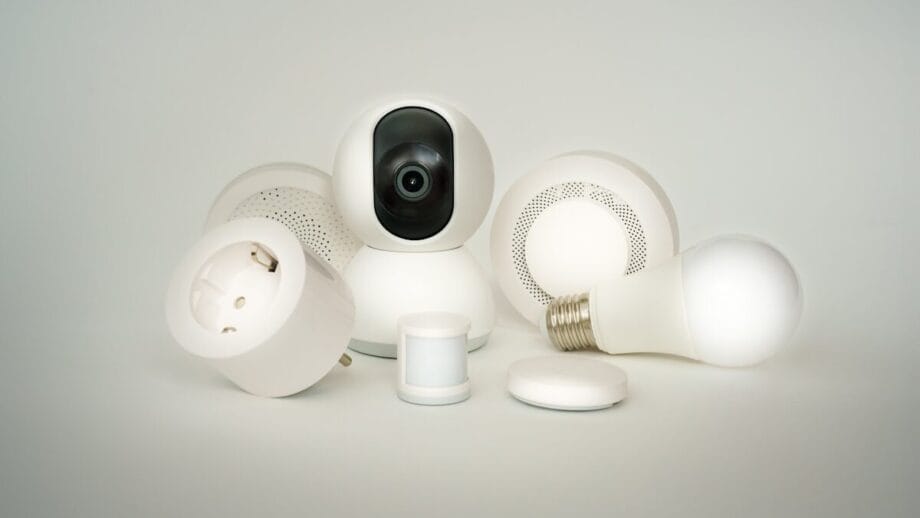
Smart home assistants like Amazon Alexa, Google Assistant, and Apple’s Siri process millions of commands daily, yet they still get simple requests wrong. Users often grow frustrated when assistants misunderstand context or fail to execute a command correctly.
These errors happen for a few reasons:
- Poor audio quality from microphones can lead to bad speech-to-text transcripts.
- Small transcription errors, like hearing “bad light” instead of “bed light,” can cause commands to fail.
- Unexpected wording can confuse the system, which often requires very specific phrasing.
Another challenge is the slow adoption of universal standards. The Matter protocol, backed by major companies like Apple, Google, and Amazon, aims to make all smart devices work together seamlessly.
For smart assistants to feel truly intelligent, they need better on-device AI for faster, more accurate responses and a full industry commitment to standards that make the smart home simple for everyone.
Product testing shows that even simple command errors can lower user satisfaction. Reported issues in voice recognition and timing highlight areas that need technical improvement.
The Road Ahead: Redefining Innovation
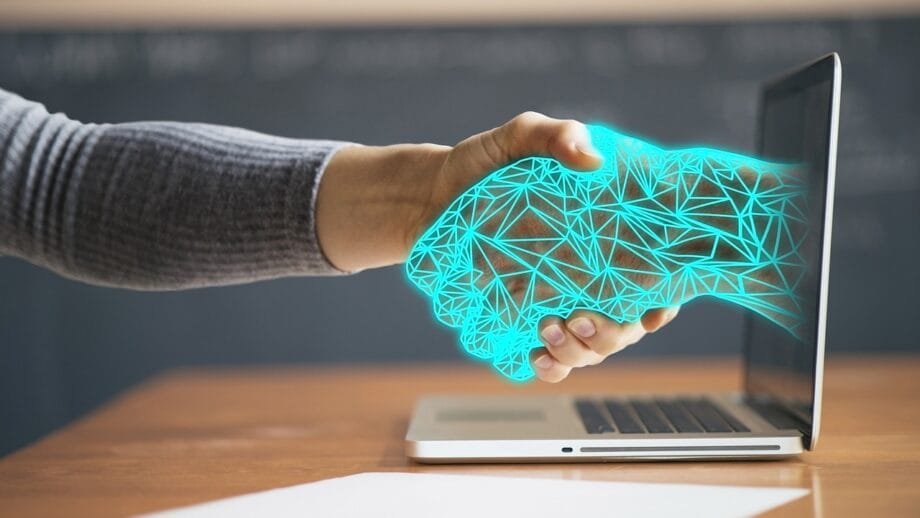
Artificial intelligence is driving new trends in smart technology. Platforms like OpenAI’s GPT, Apple’s Siri, and Amazon’s Alexa are setting higher standards for voice recognition and smart responses.
Users are looking for smarter software. Tech giants like Samsung are investing in flexible materials to create lighter, more durable devices. Advances in graphene batteries at institutions like the University of Manchester promise faster charging and longer lifespans.
Meanwhile, companies like Meta continue to push extended reality forward by developing thinner displays and more advanced sensors for next-generation virtual headsets. True progress will come from a strong feedback loop between creators and the people who use these gadgets every day.
Analysis shows that improvements in physical design are as crucial as software updates. Market studies indicate that enhanced durability is essential for user satisfaction.
Conclusion

Today’s most popular smart technology continues to let users down in key areas like comfort, battery life, and usefulness.
Focusing on real-world satisfaction instead of flashy but minor upgrades will drive more meaningful progress.
Simple changes could transform frustrating devices into genuinely helpful tools. As consumers, pushing for practical advances is the best way to ensure the technology of tomorrow truly improves our daily lives.