Microsoft’s Evolving Position in the Chinese Market
Since 2017, China has been ardently advocating for the adoption of domestic software solutions, asserting that these alternatives are more secure and increasingly rival the quality of renowned software like Windows and Office.
Simultaneously, U.S. restrictions—particularly export controls targeting advanced technology—have stymied Microsoft’s ambitions to expand its profitable AI and cloud operations within China.
In 2010, Microsoft viewed the prospect of abandoning the Chinese market as an implausible scenario. At that juncture, Google prepared to exit, driven by concerns over censorship and cyberattacks.
The decision received applause from democracy advocates, though it was met with skepticism by Bill Gates and then-CEO Steve Ballmer, who suggested that Google’s reaction was exaggerated.
However, the past five years have seen the closure of at least 15 Microsoft offices and joint ventures in China, indicating a shift towards a strategic withdrawal, as confirmed by multiple sources within the company.
In 2023, Microsoft contemplated exiting the market; executives expressed concerns over geopolitical risks outweighing potential economic benefits, although it should be noted that the company has no imminent plans for exit.
By 2024, China contributed a mere 1.5% to Microsoft’s global revenue, with insiders suggesting that diminished trust between Washington and Beijing significantly impacted business operations.
The landscape in which Microsoft operates has increasingly favored domestic software, as Beijing asserts its stance on security and quality.
Confronted with U.S. restrictions and evolving market dynamics, Microsoft finds itself in a precarious position. The details surrounding Microsoft’s internal discussions about its prospects in China have largely remained under wraps.
Other American technology giants with substantial operations in China are similarly reassessing their vulnerability in light of intensifying geopolitical tensions.
For instance, Apple aims to shift the majority of its iPhone production for American consumers to India by 2026, while Elon Musk recently refuted rumors regarding Tesla considering a separation from its Chinese business.
Despite contemplating a withdrawal, Microsoft ultimately sustained its presence in China, pragmatically servicing local entities such as ByteDance, the owner of TikTok, which rely heavily on Western technology for their international operations.
The company recognizes the imperative of maintaining access to China’s vast pool of engineering talent.
Former China head Alain Crozier articulated that Microsoft’s rapport with the Chinese government is among the most profound of any tech enterprise, remarking that geopolitical fluctuations pose challenges, but the relationship has largely remained stable.
A Microsoft representative refrained from addressing inquiries regarding the company’s strategic discussions but emphasized its commitment to operating within China’s regulatory framework, which applies to all international suppliers.
The dynamic state of Microsoft’s enterprise in China is shaped by a confluence of market competition, regulatory imperatives, and technological advancements.
Microsoft’s rapport with China’s government has deep roots, dating back to the early 1990s. Gates’s inaugural visit in 1994, where he engaged with then-President Jiang Zemin, laid the groundwork for sustained collaboration with the ruling Communist Party.
Initiatives included co-investments in startup incubators and compliance with censorship mandates that counterparts like Google were unable to accommodate.
However, as the mid-2010s approached, an atmosphere of suspicion towards Western technology emerged, exacerbated by revelations of U.S. firms facilitating surveillance on foreign entities, complicating Microsoft’s operations, especially given that many of China’s largest firms maintain close ties to the government.
In a bid to allay these tensions, Microsoft unveiled the Windows 10 China Government Edition, a release that was meticulously negotiated between CEO Satya Nadella and finance ministry officials.
While this version gained some traction within various government agencies, it did not achieve the anticipated uptake.
In 2017, coinciding with the Windows announcement, the Chinese government introduced procurement regulations, deeming them a framework for acquiring “safe and reliable” services, subsequently deeming no foreign operating system, including Windows, compliant with these new standards.
Although this non-compliance did not amount to outright bans, it entailed heightened scrutiny for technology administrators utilizing such services, necessitating extensive security checks and additional approvals.
The complexities of China’s regulatory landscape continued to pose challenges for U.S. businesses, which have long lamented the uneven playing field exacerbated by fraying bilateral relations.
Confidence within these enterprises waned; a recent survey by the American Chamber of Commerce in China revealed that only 52% viewed China as a premier global investment destination, a decline from 62% in 2019.
While Microsoft hadn’t realized its aspirations to emerge as a preferred technology vendor for the Chinese state, it successfully pivoted toward the burgeoning private sector.
Companies like ByteDance and the fast-fashion retailer Shein rely significantly on Microsoft’s Azure cloud services to navigate datasets while adhering to foreign compliance mandates.
By the mid-2020s, Microsoft’s primary Chinese operations centered on empowering domestic firms for global engagement, though sales figures remained modest by the company’s global standards.
Analysts have expressed skepticism regarding the sustainability of this AI-centric approach, which depends on third-party suppliers, particularly OpenAI.
Furthermore, Chinese enterprises are increasingly gravitating toward domestic alternatives, such as Kimi, that offer competitive pricing alongside quality parity.
Microsoft has played an instrumental role in cultivating China’s technological talent since the 1990s, establishing Microsoft Research China to delve into advanced technologies.
Alumni from this initiative hold prominent positions at AI frontrunners like SenseTime and DeepSeek. Nevertheless, the confluence of political pressures and U.S. export controls has begun to impede the retention of talent.
With restrictions on chips and AI models limiting access to advanced technology for engineers based in China, Microsoft’s president, Brad Smith, disclosed in a 2023 testimony that the firm refrains from conducting research on quantum computing and other sensitive areas within the region.
Although Microsoft contemplated shuttering its research facility, it opted instead to relocate top talent.
Following the introduction of AI export restrictions, Microsoft Research China—now known as Microsoft Research Asia—has expanded its presence to locations in Vancouver, Singapore, and Tokyo.
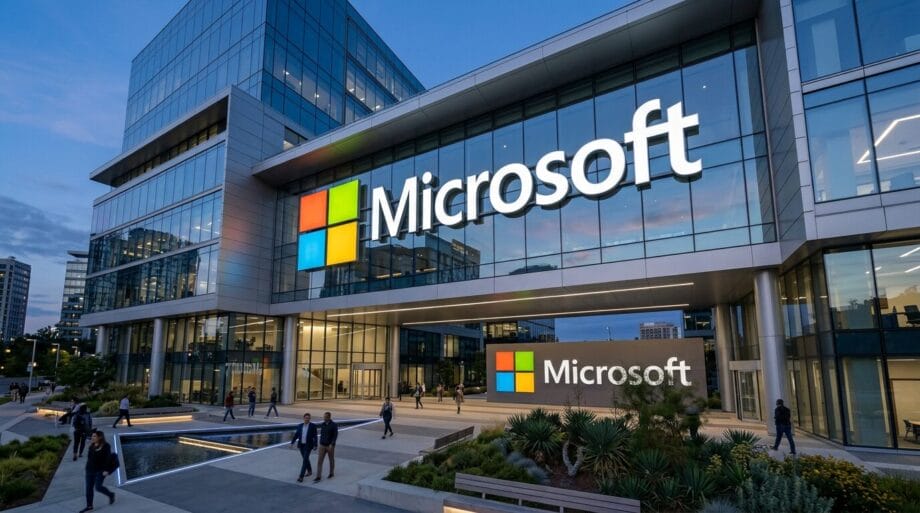
However, convincing developers to transition from China remains a challenge; in 2024, the firm offered relocation to 1,000 top engineers, yet only a third took the opportunity.
Many senior engineers chose to migrate to Chinese institutions and tech companies, enabling them to pursue premier research endeavors while remaining close to their families.
Source link: Gulf-times.com.