Apple Allegedly Venturing into the Smart-Home Hub Arena
Apple is reportedly setting its sights on the burgeoning smart-home hub sector with a forthcoming device. This anticipated gadget is projected to amalgamate a display, camera, speakers, and bespoke software functionalities.
According to insights from Bloomberg’s Mark Gurman, this long-speculated product may make its debut on October 13, coinciding with the launch of new HomePod mini and Apple TV variants.
Designed with inspiration drawn from Apple’s quintessential iMac G4, the device will reportedly feature a square 6-inch display perched atop a rounded speaker base.
Additionally, there are indications that a wall-mounted iteration of the smart home hub is in the works.
The hub, as claimed, does not merely facilitate the control of smart home devices but also supports FaceTime communications, intercom messages, audio playback, and visual engagement through photos.
It additionally aims to integrate kitchen-centric utilities, including recipes and instructional videos. Below is a comprehensive overview of what is known regarding Apple’s prospective smart-home hub.
Expected Design of Apple’s Smart-Home Hub
The countertop model of Apple’s rumored smart home hub is anticipated to showcase a square 6-inch display, encased in a black bezel with rounded corners and a sleek aluminium finish.
This screen is expected to be mounted above a circular base via a polished metal arm, offering the flexibility to tilt the display forwards or backwards.
This device is expected to evoke the aesthetic of the iMac G4, with the base ingeniously housing speakers and microphones.
Notably, it will lack a built-in battery, necessitating a constant connection to a power source via USB-C, and will not feature physical power or volume controls.
Furthermore, Apple is developing a wall-mounted variant, codenamed J491, which is anticipated to include a slender square base beneath the display, containing the requisite microphones and speakers.
Capabilities of Apple’s Smart-Home Hub
The hub is reportedly engineered to identify users through voice or facial recognition, altering the on-screen content accordingly. A visitor mode will enable the concealment of personal data when others utilize the device.
The facial recognition technology is claimed to be somewhat less reliable than the robust Face ID, suggesting that an iPhone might act as a secondary authentication mechanism if the hub fails to accurately identify an individual.
In low-light settings, an alleged Edge Light feature is slated to illuminate the area around the screen, thus enhancing recognition capabilities.
Apple anticipates that users will position multiple hubs throughout their residences. These devices could seamlessly control smart home products, facilitate FaceTime calls, dispatch intercom-style messages, play audio, and display a gallery of photos.
Moreover, the hub is poised to function as a culinary information center, empowering users to search for recipes and watch videos via voice commands.
User Interface Inspired by Apple Watch, iPad, and Apple TV
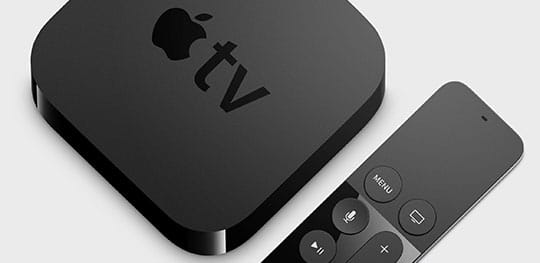
Integrating design elements from the Apple Watch, Apple TV, and iPad, the projected interface is expected to support widgets, customizable wallpapers, and rearrangable applications. Siri will presumably retain the dark visual aesthetic characteristic of Apple’s suite of products.
The interface is anticipated to emphasize timekeeping displays and photo slideshows. One proposed clock design is described as resembling “a lava lamp with an overlay of the time that shows the hour in digital form with minutes listed below.”
Additionally, the device may offer functionalities like Calendar, Messages, Photos, FaceTime, Notes, Reminders, Music, and Podcasts. Applications are reportedly styled with Apple Watch-inspired icons and multi-panel interfaces akin to those found on the iPad.
Source link: Timesofindia.indiatimes.com.