The Garmin Fenix 7 series continues to epitomize excellence in the realm of robust, multifunctional outdoor smartwatches, flawlessly amalgamating sophisticated training metrics, exceptional battery longevity, and reliable navigation capabilities.
For outdoor enthusiasts in the United States—be it hikers, runners, cyclists, or multisport athletes—the latest iterations of the Fenix 7 present an enticing opportunity for upgrading, bringing forth innovative health and performance functionalities.
The Fenix 7 series stands as a pinnacle in outdoor smartwatch technology, particularly catering to U.S. users who prioritize resilience, advanced performance metrics, and dependable navigation for excursions into the wilderness.
Featuring an array of models including the Fenix 7, Fenix 7S, Fenix 7X, and solar-enhanced editions, Garmin has expertly augmented an already sophisticated platform to cater to runners, hikers, climbers, triathletes, and everyday fitness aficionados—a seamless solution for both training regimens and daily activities.
What renders the Fenix 7 particularly salient at this juncture is the rising trend toward comprehensive health monitoring, exceptional battery duration, and seamless compatibility with popular training platforms such as Garmin Connect, Strava, and TrainingPeaks.
For those in the U.S. who increasingly depend on wearable technology to track vital metrics including sleep quality, stress levels, recovery, and athletic performance, the Fenix 7’s blend of ruggedness and advanced analytics provides a pragmatic upgrade over both older Garmin devices and rival smartwatches.
New Features in the Fenix 7 Series
The Fenix 7 enhances the foundations laid by the Fenix 6 series through several substantive improvements, rather than a complete redesign.
Noteworthy advancements encompass a bezel-free display, upgraded optical heart-rate sensor, improved GPS accuracy, and novel training and recovery functionalities.
The bezel-free aesthetic maximizes the display area without substantially enlarging the case dimensions—an appealing factor for both the compact Fenix 7S and the expansive Fenix 7X.
Garmin has also refined the watch’s power efficiency, enabling prolonged battery life in both smartwatch and GPS contexts.
The solar variants (Fenix 7S Solar, Fenix 7 Solar, Fenix 7X Solar) can sustain battery longevity for several days under typical outdoor conditions, offering a significant advantage for long-distance hikers, through-hikers, and endurance athletes with limited access to charging facilities.
From a software perspective, Garmin has broadened its array of training and recovery tools. The Fenix 7 accommodates advanced metrics such as Training Status, Training Load Focus, and Recovery Time, enabling users to discern whether they are under-training, over-training, or adequately conditioned for competitions or strenuous mountain excursions.
These functionalities are particularly advantageous for U.S. runners, cyclists, and triathletes adhering to structured training regimens seeking data-informed insights.
The Importance of the Fenix 7 for U.S. Users
The appeal of the Fenix 7 for American consumers lies in its ability to merge the attributes of a rugged outdoor timepiece with those of a comprehensive fitness tracker.
Numerous U.S. users rely on their watches not solely for trail running and weekend excursions but also for everyday step tracking, sleep analysis, and stress management.
The Fenix 7 excels in these domains while upholding the robustness and navigational prowess that outdoor aficionados expect.
An additional consideration is the device’s compatibility with services and platforms favored in the United States.
Garmin Connect enjoys widespread adoption, and the Fenix 7 integrates effortlessly with popular applications like Strava, TrainingPeaks, and Komoot.
This cohesive ecosystem simplifies the tasks for U.S. athletes in analyzing workouts, sharing routes, and planning adventures without the hassle of managing multiple devices or platforms.
The navigation capabilities of the Fenix 7 hold particular significance for American users. The watch supports a variety of GNSS systems (GPS, GLONASS, Galileo, and QZSS), thereby enhancing location precision in challenging environments such as dense woodlands, urban canyons, and mountainous regions.
Preloaded topographic maps, ski maps, and golf course maps render the Fenix 7 a versatile instrument for hikers, skiers, and golfers throughout the nation.
Primary Beneficiaries of the Fenix 7
The Fenix 7 is especially tailored for U.S. runners, hikers, cyclists, climbers, and multisport athletes desiring a singular device for both training and everyday usage.
Runners will find the advanced running dynamics, pace guidance, and race prediction features particularly advantageous, while hikers and backpackers will appreciate the extended battery life, topographic maps, and navigation utilities.
Cyclists and triathletes can leverage the Fenix 7’s comprehensive support for various sports profiles, including cycling, swimming, and indoor training.
The watch captures metrics such as cadence, power (when utilized with compatible sensors), and swim stroke count, delivering a thorough training tool for endurance athletes.
Additionally, everyday fitness enthusiasts seeking a durable, feature-rich smartwatch are likely to find the Fenix 7 appealing.
It encompasses standard smartwatch functionalities including notifications, music storage, and contactless payments, alongside advanced health tracking features like heart-rate variability, sleep monitoring, and stress analysis.
Considerations for Unsuitable Users
The Fenix 7 may not be ideal for those who prioritize a slender, lightweight aesthetic or predominantly seek smartwatch functionalities over fitness and outdoor specialization.
The device’s significant size and weight may deter users with smaller wrists or those who favor a more understated design.
Moreover, the advanced features and rugged integrity of the Fenix 7 are mirrored in its premium price point.
Budget-sensitive individuals requiring only basic step tracking and notifications may find this watch excessive and might consider more economically feasible Garmin alternatives such as the Venu or Forerunner series.
Users deeply entrenched in the Apple Watch or Wear OS ecosystems could also perceive the Fenix 7 as less appealing, given its finite app integration and third-party app support. Designed primarily as a fitness and outdoor watch, it does not serve as a versatile general-purpose smartwatch.
Strengths and Weaknesses of the Fenix 7
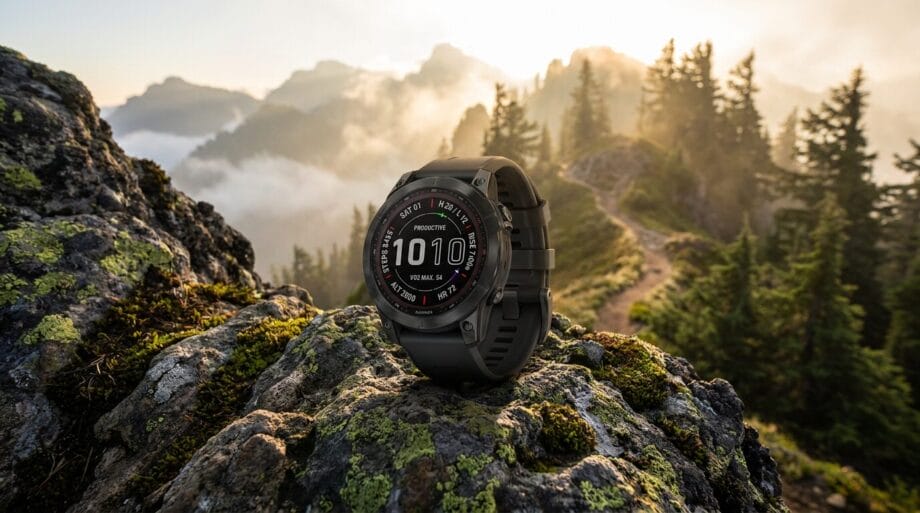
A hallmark of the Fenix 7 is its remarkable durability and battery life. Constructed to endure severe conditions, it features a sturdy design, scratch-resistant sapphire crystal (premium models), and water resistance of up to 100 meters. The extended battery life, especially in solar-enabled models, is ideal for prolonged outdoor excursions.
Furthermore, the Fenix 7 excels in navigation and performance metrics. The harmonious functioning of multiple GNSS systems, preloaded maps, and advanced training tools creates a comprehensive resource for outdoor enthusiasts and rigorous athletes.
Its integration with Garmin Connect and other training platforms amplifies its value for data-oriented users.
Conversely, the Fenix 7 is not devoid of limitations. The user interface, albeit powerful, may pose challenges for novices, and its bulk may deter some users.
Additionally, the smartwatch features are less comprehensive in comparison to devices like the Apple Watch or Samsung Galaxy Watch, potentially dissuading users who favor app connectivity and notifications.
Competitors and Comparisons
The Fenix 7 contends with a plethora of rival outdoor and fitness watches, including the Garmin Forerunner 955, Coros Vertix 2, Suunto 9 Baro, and Apple Watch Ultra. Each of these alternatives presents a unique blend of features, battery life, and price points.
For those focused on running and triathlon training, the Garmin Forerunner 955 serves as a viable alternative, providing sophisticated training metrics without the heft of the Fenix 7.
The Coros Vertix 2 and Suunto 9 Baro deliver similar outdoor functionalities and extended battery life, while the Apple Watch Ultra offers a more smartphone-like interface, emphasizing ruggedness and outdoor capabilities.
For American consumers, the decision among these devices often rests on ecosystem preferences, desired feature set, and budget constraints.
The Fenix 7 remains a premier selection for individuals who prioritize resilience, battery endurance, and sophisticated training metrics.
Equity Perspective and Corporate Significance
Garmin Ltd. (ticker: GRMN), a publicly traded entity on NASDAQ, sees the Fenix 7 series contributing significantly to its wide-ranging portfolio of wearable technologies and outdoor electronics.
While the Fenix 7 may not singularly dictate the company’s stock trajectory, it certainly plays a vital role in upholding Garmin’s stature in the high-end outdoor and fitness watch market.
For investors in the United States, the success of the Fenix 7 serves as a noteworthy indicator of Garmin’s capacity for innovation and competitiveness within the wearable technology sector.
Yet, its influence on the company’s overall financial health remains relatively moderate compared to Garmin’s diverse product offerings, which encompass automotive, aviation, marine, and fitness solutions.

Investors should evaluate the Fenix 7 in conjunction with Garmin’s broader strategic landscape and market standing, rather than as an isolated investment argument.
The watch’s desirability among outdoor enthusiasts and athletes may bolster Garmin’s brand loyalty and market position, but it is not a primary catalyst for stock performance.
Source link: Ad-hoc-news.de.