Quick Summary
Software development continues to be one of the most promising career paths thanks to rapid technological advancement, strong job demand, flexible work opportunities, and multiple specialization options. The article explains why the field remains an attractive choice, highlighting its strong growth potential, accessibility through skills-based learning, and opportunities for long-term career advancement.
It also explores the most rewarding software development career options, including web, mobile, desktop, front-end, back-end, full-stack, game, graphics, DevOps, big data, embedded, and security development, as well as roles such as software testers, quality assurance developers, and data scientists. Each career path is accompanied by an overview of its core responsibilities and required technical skills, helping aspiring professionals identify the specialization that best matches their interests and goals.
Introduction
Software Development is experiencing exponential growth these days, thanks to the advent of innumerable technologies. Recent trends and career studies indicate that the emergence of modern technology will be the catalyst for the growing need for software development jobs.
With every passing second, a majority of organizations are embracing advanced technology, which in turn opens vast opportunities for software developers.
Do you love software development and are looking forward to joining the out-of-the-box profession? Scroll down the page and get updated with the list of the 15 best career options to go for. Here we go!
Why is Software Development Still a Great Career Choice?

Planning to pursue your career in Software Development? Congratulations, the outlook is very bright. According to a recent BLS study, jobs in this industry are projected to grow by 22% in the years ahead.
Skeptical about this career option? Hang on, because here we have listed some exciting reasons that make Software Development worth considering. Let’s get started!
1. It is the Fastest-Growing Field with Lots of Career Opportunities
The very first reason to pursue Software Development is that it is a rapidly growing field with innumerable job opportunities. Studies and statistics show that about 250,000 software development jobs are already unfilled in the US, and this number is going to rise by 2026. Therefore, it offers many opportunities for skilled developers worldwide.
2. Mind-Boggling Number of Career Options
When it comes to Software Development, the career options are endless. One cannot just try to become a Software Developer; there are various other opportunities, such as Software Tester, Data Scientist, Graphics Developer, and many more.
Moreover, there is typically room for advancement within software development. Starting as an entry-level position, one can advance into senior positions.
3. You Can Get into Software Development without Any College Degree
Yet another best reason to pursue Software Development as a career option is that it comes with no barriers. There is no need to get a specific college degree to join this profession.
Willingness to learn is the foremost criterion for getting these jobs. Just undergo training or a related course and get started with much ease and comfort. A college degree comes at the bottom, making the course and training much more important.
4. This Career Choice is Highly Flexible
Who on this planet doesn’t love flexibility? A career in software development is flexible and allows you to work remotely or in the office, depending on the work conditions.
In addition, the Software Development career path is constantly changing, with dozens of programming languages in use.
“If you’re thinking about why you want to become a software developer, understanding the advantages of this career path may assist you in making a decision.”Indeed
What Growth Opportunities are Available as a Software Developer?

Software Development is a flexible career path that offers plenty of growth opportunities for professionals; however, one needs to be skilled enough to seize the right circumstances.
As a software developer, you can start your career as an entry-level programmer and then advance to roles such as chief information officer, project manager, and so on.
The outstanding outsourcing job opportunities in software development are another plus point. The software developer outsourcing rates, remuneration, and demand are most attractive and trending in the current market. If you have enough potential, then you can also go for system designers, independent consultants, or freelancers.
List of Career Options Available in Software Development

So, you’ve finally decided to go into Software Development, but you’re confused about which career path to choose? Fret not, as we’ve got you covered with the list of the top 15 job opportunities. Take a look!
1. Web Developer
One of the leading career opportunities to pursue is Web Development, which mainly involves creating web applications using a client-server model.

Roles and Responsibilities
- Optimizing websites for maximum accuracy.
- Conducts website testing.
- Integrating client CMS programs into websites.
- Designing responsive landing pages.
Skills Required
- Must be well-versed in HTML, PHP, JavaScript, CSS, and other relevant web coding languages.
- Detail-oriented and have strong problem-solving skills.
2. Mobile Developer
As the name implies, Mobile Developers are experts in mobile technology and primarily build applications for Android, iOS, and Windows.

Roles and Responsibilities
- Mobile app coding, testing, and debugging.
- Develop fully functional mobile applications.
- Recommending changes to software applications.
Skill Required
- In-depth knowledge of at least one programming language.
- Familiarity with OOP design concepts.
- Must be aware of third-party libraries and APIs.
3. Desktop Developer
Desktop Developer mainly refers to a programmer who writes code for desktop application programs that run natively on the operating system.

Roles and Responsibilities
- Develop software for cross-platform compatibility.
- Execute security and data protection.
- Optimize the existing applications to maximize scalability.
- Test and debug custom programming.
Skills Required
- Logical thinkers.
- Problem-solvers.
- Detail-oriented and patient.
- Able to code.
4. Game Developer
Yet another prominent and rapidly growing career option, Game Developer primarily turns ideas into reality in the fast-paced gaming industry.

Roles and Responsibilities
- Generates game scripts and storyboards.
- Animates characters and objects.
- Carries out the validation process to ensure quality.
- Contributes to the game’s design and audio features.
- Constructs the base on which the game will run.
Skills Required
- Hands-on experience with C++ and other programming languages.
- High-level knowledge of APIs and libraries.
- Well-versed with the latest gaming trends and technology.
5. Front-End Developer
“The front-end developers work where code meets curiosity. If it delights in a click, they built the moment.”Emergent Software
A front-end developer is a person who implements web designs and converts data into a graphical interface using programming languages.

Roles and Responsibilities
- Create new user-facing features.
- Ensures the technical feasibility of UX designs.
- Develop reusable libraries and code for future use.
Skills Required
- Understanding of web markup, including CSS3 and HTML5.
- Basic knowledge of client-side scripting.
- Must be aware of server-side platforms.
6. Backend Developer
Yet another Software Development career option is that of a Backend Developer. They usually write the web services and APIs used by mobile applications and front-end developers.

Roles and Responsibilities
- Focuses on coding and debugging.
- Collaborate with front-end developers.
- Troubleshoot and debug applications.
Skills Required
- Must be proficient in front-end languages such as HTML and CSS.
- Good knowledge of CMS.
- Critical thinker.
- Knowledge of programming languages such as Python, Ruby, Java, etc.
7. Full-Stack Developer
A full-stack developer, as the name suggests, creates both client and server software. They are proficient in both front-end and back-end coding.

Roles and Responsibilities
- Monitor the responsiveness of the website.
- Work along with the graphic designers.
- Create front-end website architecture.
- Cater to both technical and clients’ needs.
Skills Required
- Knowledge of front-end technologies such as CSS, JavaScript, and HTML.
- Familiarity with database technology such as Oracle, MongoDB, and MySQL.
8. Graphics Developer
Also known as a graphics programmer, this career option has a bright outlook in the video game industry, where they can help develop creative applications.

Roles and Responsibilities
- Debug the engine-level code.
- Work with the existing graphics engine.
- Create new graphic technologies.
- Optimize the graphical features.
Skills Required
- Ability to create 3D models using scripts.
- Understanding of rendering algorithms.
- Knowledge of Graphics APIs.
9. Quality Assurance Developer
One of the fastest-growing job opportunities, Quality Assurance Developer roles typically involve monitoring every phase of development and ensuring that the software adheres to the final requirements.

Roles and Responsibilities
- Create test plans.
- Identify potential problems and resolve them.
- Review user interface for added functionality.
Skills Required
- Must be a team player.
- Excellent verbal communication skills.
- Time management skills.
10. Software Tester
Not interested in coding? Software Tester might work best for you! This career option offers a great opportunity to work on new and existing projects.

Roles and Responsibilities
- Implement all levels of testing, be it system, integration, and regression.
- Render support and documentation.
- Offer timely solutions.
- Track software defects and fix them.
Skills Required
- Ability to handle multiple tasks.
- Critical thinker and problem-solver.
- Experience in data analysis.
“If you have strong skills as a power user of computer programs, you can be part of a development team, even if you have no experience as a software tester. Many software testers have a degree in computer science or a related field, but plenty of companies hire people who have not earned a degree.”ZipRecruiter
11. Data Scientist
A recent addition to Software Development career opportunities, Data Scientist is an exciting option to go for.

Roles and Responsibilities
- Acquire, process, and clean the available data.
- Apply data science techniques.
- Measure the outcomes and try to improve them.
- Present results to the stakeholders.
Skills Required
- Well-versed in machine learning.
- Can analyze large datasets.
- Have proficient knowledge of the latest technologies, such as AI, SE, etc.
12. DevOps Developer
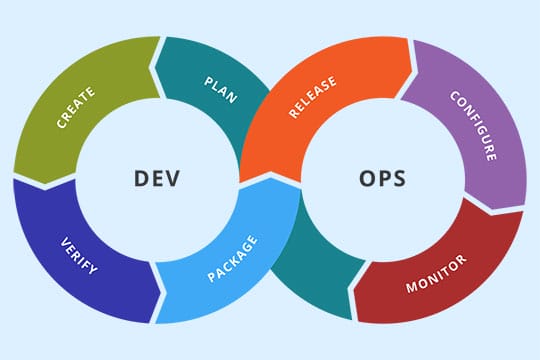
DevOps mainly bridges the gap between developers and IT staff and deploys new modules to the production environment.
Roles and Responsibilities
- Oversees the code releases.
- Ability to maintain continuous integration.
- Choose the technologies which fit the business needs.
Skills Required
- Must be well-versed with DevOps tools and technologies.
- Knowledge about Linux fundamentals and scripting.
- Proficient in soft skills.
13. Big Data Developer
One of the latest and most outstanding career options in Software Development is the Big Data Developer role. If you love programming, this might be the best choice for you.

Roles and Responsibilities
- Develop code and programming for Hadoop applications.
- Maintain data security of HBase.
Skills Required
- Knowledge of Hadoop-based technologies.
- Must have business knowledge.
14. Embedded Developer
The embedded Developer is responsible for implementing and executing the complete embedded software development cycle.

Roles and Responsibilities
- Review code and design.
- Access the open-source software.
- Validate new product designs.
Skills Required
- Solid experience in C and C++.
- Familiarity with software configuration management tools.
15. Security Developer
Love resolving security issues? Opt for the Security Developer option and look at the software designs from a security perspective.

Roles and Responsibilities
- Develop secure software tools.
- Implement advanced software security techniques.
- Build prototype solutions.
Skills Required
- Knowledge about Ethical Hacking and Penetration Testing.
- Coding experience and information about security software.
The Final Words

This is it! Select any of the above-mentioned career options and follow your passion on the go.


