Apple’s Pricing Strategies Spark Concerns Over iPhone Costs
Apple Inc. has initiated price increases across a selection of its products, hinting at potential future hikes. This development has elicited anxiety regarding whether the iPhone—the company’s marquee device—will follow suit with elevated costs.
| Apple (AAPL) — Key Metrics | |
|---|---|
| Stock Price | $308.63 (+4.84%) |
| CEO | Tim Cook |
| Headquarters | Cupertino, CA |
| Founded | 1976 |
| Sector | Big Tech |
Recent Price Adjustments by Apple
Apple has surreptitiously increased prices on an array of products, with Macs and iPads among those impacted. These adjustments are stark, readily apparent when customers finalize transactions on Apple’s online portal.
Contextually, a significant portion of Apple’s manufacturing occurs in Asia, and persistent tariffs have exacerbated cost pressures.
It resembles a dining establishment elevating prices on appetizers while keeping entrée costs stable for the time being. The prevailing question remains: how long until the main offerings undergo a price review?
As reported by CNET, future iPhones may be pricier than anticipated. Additionally, 9to5Mac alerts consumers to indications of further price hikes later in the year.
Factors Contributing to Rising Prices
At the heart of these increases lies the imposition of tariffs. The United States has enacted substantial import taxes on goods originating from China and other Asian locales where Apple’s hardware is predominantly manufactured. Consequently, elevated import costs for Apple invariably pass through to consumers.
Apple exhibits some leeway with specific product categories. While price increases on Macs and iPads may elicit minimal consumer backlash, the same cannot be said for the iPhone, which boasts sales in the millions annually and is fundamental to Apple’s revenue.
Hence, the company seems to favor increasing prices on other products initially while keeping iPhone pricing stable—for the moment.
The Distinct Nature of the iPhone
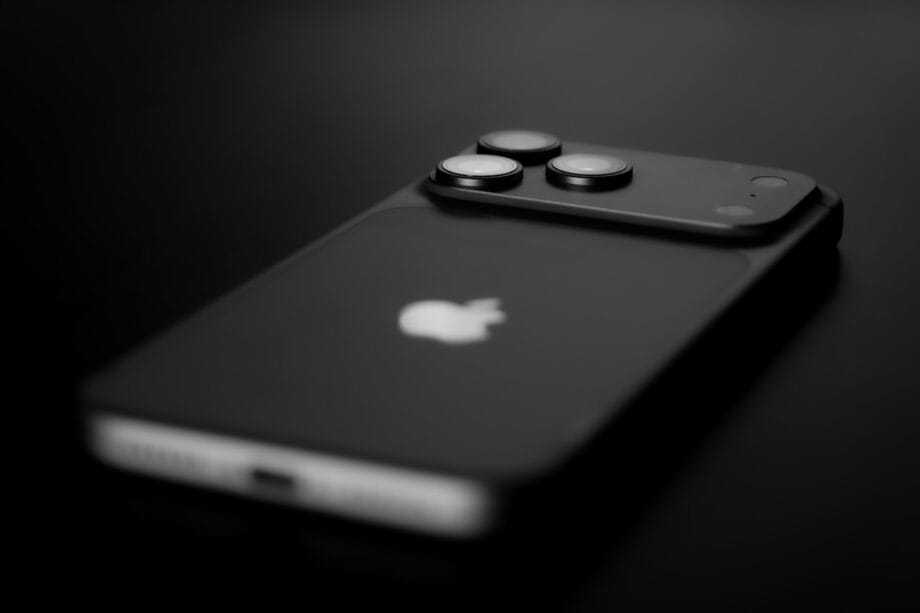
The base model of the iPhone commences at $799, whereas the Pro Max variant is priced at an eye-catching $1,199.
A substantial price surge on these models would significantly affect consumers, possibly pushing them toward alternative brands or prompting an extended retention period for existing devices.
Understanding this delicacy is likely why CEO Tim Cook remains circumspect about indicating potential price modifications for the iPhone.
In an interesting twist, Apple’s stock surged by 4.84%, reaching $308.63 following the announcement. This rise suggests investors harbor confidence that Apple can navigate price increases while sustaining adequate demand. However, the assurance reflected in stock prices may not mirror consumer sentiment.
Public Sentiment
“They’re testing the waters with Macs and iPads first. Once people accept those price hikes, iPhones are next. It’s a slow boil.”
— u/techskeptic_88, via Reddit
“I was already planning to skip this iPhone cycle. If prices go up, I’m just keeping my 15 Pro for another two years.”
— YouTube comment on AppleInsider’s price increase coverage
Implications for Consumers
For those contemplating a new Mac or iPad, postponing a purchase in hopes of future price reductions may not prove prudent.
The current price inflation appears to derive from prolonged cost stresses rather than transient factors.
In contrast, the outlook for prospective iPhone buyers is less definitive. Should Apple enact price increases prior to the anticipated fall 2026 launch, consumers might face increments of $50 to $100 or even beyond, depending on the model.
Such an increase is considerable, especially for families or individuals intending to upgrade multiple devices.
The most strategic course of action at present? If acquiring a Mac or iPad aligns with your budget, this may represent a fleeting opportunity to procure at current pricing levels.
For iPhone enthusiasts, remain vigilant for announcements during the fall season—they will offer clarity on future pricing trajectories.
Key Indicators to Monitor
- Fall 2026 iPhone Launch: Apple traditionally unveils new iPhones in September. This event will clarify potential pricing adjustments.
- Apple Earnings Presentations: Tim Cook and CFO Kevan Parekh typically discuss pricing methodologies during quarterly earnings calls. The upcoming session is expected to delve into tariff repercussions.
- U.S.-China Trade Dynamics: Any mitigation of tariffs could provide Apple with the flexibility to stabilize or reduce prices. Monitoring trade negotiations through summer 2026 will be essential.
- Competitive Market Reactions: If rivals like Samsung or Google maintain stable flagship prices while Apple raises iPhone costs, it could significantly influence Apple’s final pricing decisions.
Source link: Explosion.com.