Quick Summary
A gadget is a small mechanical or electronic device designed to perform a specific task and make everyday activities easier, more efficient, or more enjoyable. This article explains what gadgets are, how they differ from ordinary tools and appliances, and how they have developed from simple mechanical inventions into today’s connected smart devices.
It also explores the qualities that make a device a gadget and why these compact technologies have become an important part of modern life. As you read, you will gain a clear understanding of the different kinds of gadgets, the key components that make them useful, and the ways they support communication, learning, entertainment, productivity, and daily routines.
The article also highlights practical considerations such as portability, functionality, innovation, privacy, and responsible use, helping you recognize what makes a gadget valuable and choose devices that best fit your everyday needs.
What is a Gadget?

A gadget is a small mechanical or electronic device designed to perform a specific function and improve convenience, efficiency, or usability in everyday life. It mixes practical use with clever engineering – doing things that plain, traditional equipment can’t match.
Definition of a Gadget
A gadget is a small mechanical or electronic device designed for a practical purpose, though it often carries a sense of novelty as well. We run into gadgets every day in our kitchen, bedroom, and office.
The word “gadget”, pronounced “ga-jit”, comes from the French word “gâchette”, meaning a piece of a mechanism. Merriam-Webster defines a gadget as an often small device with a practical use, though people frequently see it as a novelty.
A smartphone, wireless earbuds, and fitness tracker all count as gadgets. They mix real utility with modern ingenuity. Our kitchen probably has the same thing going on, with coffee makers and food processors, each one built to solve one specific problem.
“A gadget is an interesting and practical device that brings convenience and innovation into our daily life.”
Gadgets differ from plain tools because they lean on innovation and clever design, not just function. Cell phones, pagers, and similar devices blend technology with practicality in a way that grabs our attention.
A gadget works as both a tool and a contraption. It gets a job done while showing off some mechanical or electronic cleverness. That combination of problem-solving ability and novelty is what makes a gadget appealing.
The way we use gadgets shapes how we work, talk to people, and unwind. Recognizing what qualifies as a gadget helps us see which devices actually shape our daily routine.
The story of how gadgets went from simple inventions to smart devices shows just how fast technology reshapes our world.
Key Characteristics of Gadgets
Now that you know the definition, consider the traits that set gadgets apart from ordinary tools and appliances. These qualities separate a true gadget from just another piece of equipment.
- Gadgets are usually portable, compact, and handheld. Their small size makes them easy to bring along for travel, work, or leisure.
- Most gadgets serve specialized purposes instead of handling many functions as a regular appliance does. Focused engineering means the device does its one job exceptionally well.
- Gadgets use innovative or highly specific engineering to solve a particular problem. That ingenuity shows how technology tackles the real challenges we face daily.
- Gadgets are built for ease of use. We can run one without special training, since makers design simple, user-friendly controls.
- Good gadgets also build in security, privacy, and maintenance. It’s worth checking these factors before buying any new gizmo or widget.
- Most gadgets carry a unique design that sets them apart from standard equipment. The look often matches the job it’s built to do.
- Gadgets are made for everyday use, so they earn their keep even if people first see them as novelties.
Common Examples of Gadgets
We run into gadgets all day long, from our kitchen counter to our nightstand. Here are the ones we probably use without even thinking about it:
- Smartphones serve as our main hub for calls, messages, and apps, packing our entire digital life into a single device.
- Smartwatches track our fitness stats, show notifications, and manage our schedule right on our wrist.
- Wireless earbuds send audio straight to our ears for music, podcasts, and calls, keeping our hands free.
- Fitness trackers monitor our steps, heart rate, and sleep, giving us a clearer picture of our health.
Wearables like these aren’t a niche hobby anymore. According to a 2026 Consumer Adoption of Digital Health Survey by Rock Health, 46% of U.S. adults now own a wearable device like a smartwatch or smart ring, a 33-point jump over the past decade. That kind of growth shows these gadgets have moved from novelty to a mainstream health habit.
Our home probably holds a few more gadgets too:
- E-readers put thousands of book titles in our hands instantly, and falling prices have made digital reading more affordable than ever.
- Bluetooth speakers play music through our home or backyard with no wires to trip over.
- Smart water bottles remind us to drink more water by tracking our intake and sending a notification to our phone.
- Portable fans keep us cool on camping trips or backyard hangouts.
Then there are the kitchen and outdoor gadgets that solve one small problem really well:
- Spiral vegetable cutters turn produce into noodle-like strands for creative, healthier meals.
- Egg separator tools quickly and cleanly separate yolks from whites during baking.
- Multipurpose camping tools combine a knife, corkscrew, and scissors into one compact gadget for outdoor trips.
These examples cover just a slice of the gadgets shaping our day. They show how these small inventions fit into nearly every part of our routine.
The History and Evolution of Gadgets

Gadgets have changed a lot over the centuries. They started as simple mechanical contraptions and grew into the smart devices we carry today. Here’s how that innovation unfolded.
Early Mechanical Gadgets
Sailors in the 1850s coined the term “gadget” for any ship mechanism or part they couldn’t name or had forgotten the name of. The word likely traces back to the French “gâchette,” meaning a piece of a mechanism. It first appeared spelled “gadjet,” built for small, practical tools that solved one specific problem.
Early mechanical gadgets were designed to do one job, and they did it well. These tools became essential gear in specific trades, valued for their compactness and novelty.
- They solved one narrow problem instead of many.
- They stayed small enough to carry on the job.
- They gave workers in specific trades a real edge.
These early tools set the stage for every gadget that came after. Craftspeople trusted them because they mixed practical use with clever design, proving that a specialized instrument could boost efficiency in a specific job. That shift from basic mechanical contraptions to electronic devices marks the next turning point in how gadgets shaped daily life.
Transition to Electronic Gadgets
Mechanical gadgets laid the foundation, but the real shift came when electrical engineering entered the picture. The word “gadget” first appeared in print in 1886, and by the 20th century, electronic gadgets began to appear in homes and offices.
Electrical engineering opened the door to devices that worked faster and handled more complex tasks than any mechanical tool before them. Early radios and handheld calculators showed just how much electronics could do that mechanical systems never could.
Gadgets became more accessible during this stretch too. They shifted from rare curiosities into everyday tools people leaned on for work and fun.
This shift changed what people expected from their equipment. Electronic gadgets offered better automation, better communication, and more reliability than mechanical versions ever could.
Novelty and innovation stayed central to a gadget’s appeal even as technology raced ahead through the back half of the 20th century. The rise of consumer electronics accelerated the growth of gadgets, filling the market with new devices and intensifying competition.
Our daily life began to fill up with these electronic tools, setting the stage for the smart gadgets that would eventually take over.
The Rise of Smart Gadgets
Smart gadgets mark a major shift in how we use technology every day. These devices connect to the internet and use artificial intelligence to learn our habits and respond on their own.
Unlike older gadgets that were limited to one or two fixed tasks, a smart gadget improves over time. We control them via our phones or our voices, making daily tasks simpler and faster.
The Internet of Things, or IoT, powers this shift by enabling billions of devices to communicate with one another. Industry experts predict that more than 24 billion smart devices will connect to 6G networks by 2030, underscoring how quickly this technology continues to grow.
Smart gadgets now touch nearly every part of our routine:
- Wearable tech like smartwatches tracks our heart rate, activity, and sleep in real time.
- Healthcare providers use smart gadgets for remote patient monitoring and telehealth visits, so we get care without a trip to the clinic.
- Smart home devices control our lighting, temperature, and security with voice commands or schedules.
- Smart textiles build health monitoring right into our clothing, no extra device required.
Security protections keep the data these gadgets gather safe from unauthorized access. That mix of wearable tech, digital health tools, and smart infrastructure builds an environment where our gadgets work together to boost our productivity, wellness, and daily life.
Recent News
Types of Gadgets

Gadgets come in plenty of shapes, each built to solve a specific problem or improve a part of our lives. Different categories serve different needs, from our home environment to our personal productivity and fun.
Smart Gadgets
Smart gadgets are household devices linked to an intelligent system that changes how we handle daily tasks. They lean on connectivity and artificial intelligence to automate routines and boost our home’s efficiency.
- Smart gadgets connect and talk to each other through Internet of Things (IoT) networks. We control them remotely with our phone or our voice, automating household tasks from anywhere.
- Amazon Echo and Google Nest are popular examples of smart home gadgets built for voice control and automation. They link up with other smart appliances to create a single connected system in our home.
- Artificial intelligence lets smart gadgets learn our habits and adjust settings on their own. Our devices get smarter the longer we use them.
- Energy management features in smart gadgets help cut our utility bills and track our power use. The Smart Grid integrates communication technology with energy systems, enabling us to monitor and adjust usage easily.
- Remote monitoring lets us check our home security, temperature, and appliances from our phone. Smart medical devices enable doctors to visit patients from home virtually.
- Smart home tech has already gone mainstream. According to a 2026 smart home market analysis by Maker Stations, 77.05 million U.S. households (over 51% of all homes) now actively use smart home devices, so this is the standard setup, not a futuristic idea.
- Smart gadgets cut out repetitive tasks through automation, freeing up our time. We can set routines that trigger multiple devices at once, like dimming lights and adjusting the thermostat the moment we leave for work.
Wearable Gadgets
Wearable gadgets are devices we wear on our bodies to track, monitor, or boost our daily activities and health. These tools have changed how we gather personal data and manage our wellness goals.
- Fitness trackers monitor our activity, heart rate, and sleep throughout the day and night, providing real-time data on our workouts and rest.
- Smartwatches function as wearable computers on our wrist, displaying notifications and tracking health stats simultaneously. We handle plenty of phone tasks right from our wrist.
- Health monitors measure vital signs such as blood pressure, oxygen saturation, and body temperature for medical use. We can share that data with our doctor or with clinical research teams.
- Wearables now play a larger role in clinical trials, as they improve data accuracy and keep participants more engaged. We help advance medical research just by wearing the device and going about our day.
That said, this rise in wearable data brings real responsibilities:
- Data privacy and security need strict protocols to protect our personal health information from unauthorized access.
- Manufacturers should use encryption and secure data transmission, and we should check for this before buying.
- Healthcare providers, tech developers, and researchers need to work together to make wearables genuinely useful for real health needs.
- Real-time data collection helps researchers study behavior patterns accurately, advancing medical knowledge while we simply track our own wellness.
Once you understand wearable gadgets, it’s easier to see how they connect with household gadgets and the wider smart tech ecosystem.
Household Gadgets
Household gadgets are practical devices and equipment designed to simplify our everyday tasks and improve how our homes run. These range from basic kitchen tools to full smart home automation systems.
- Kitchen gadgets work as both practical tools and novelty items that big retailers stock heavily, according to Samantha Gowen of the OC Register on June 29, 2026. We’ll find electronic meat thermometers and smart coffee makers that speed up cooking and save us real time.
- Smart home devices connect to our home network, allowing us to control appliances remotely via our phone or voice. Security cameras and automated lighting give us peace of mind and boost our home’s safety.
- User-friendly design remains central to household gadgets so we can use these tools without special training. Makers build for accessibility so every family member benefits without a learning curve.
- Convenience and efficiency drive household gadget design, addressing common pain points in our daily routines. Home automation cuts manual effort and frees up time for things we actually enjoy.
- Prices have climbed for some gadget makers due to rising component costs, as noted by Alexei Oreskovic of Fortune on June 28, 2026. Expect quality household devices to cost a bit more due to supply chain pressures.
- Connected appliances integrate with our smart home network, creating coordinated systems that work together. Our fridge, washer, and heating system can now talk to each other and automatically optimize energy use.
- Entertainment and productivity gadgets round out our household setup, helping us balance work-from-home tasks with downtime.
Entertainment Gadgets
Entertainment gadgets are devices designed to provide enjoyment, relaxation, and multimedia experiences in daily life. These digital devices sit at the center of modern leisure and shape how we consume content and connect with others.
- Smartphones and tablets serve as our primary entertainment devices, offering streaming services, games, and social media wherever we go.
- Wireless earbuds and portable speakers let us enjoy music on the move without being tied to one spot.
- Gaming consoles deliver immersive virtual reality and interactive entertainment with high-performance graphics that basic devices can’t match.
- Streaming devices and media players bring entertainment straight to our TV or monitor, no physical copies needed.
- Fitness trackers and smartwatches mix entertainment with health tracking, keeping us connected while we stay active.
- Laptops serve as versatile entertainment devices, handling gaming, video editing, and content creation all at once.
Understanding how entertainment gadgets work helps you explore the key components that make them function well.
Educational Gadgets
Educational gadgets are powerful tools that change how we learn and access knowledge, in classrooms and at home. They mix portability with interactive learning, making school content more engaging than ever.
- Educational gadgets let us access digital resources and learning tools anywhere, anytime. Based on 2025 census data from Common Sense Media, 58% of U.S. children already own a tablet by age four, and nearly 1 in 4 have their own cellphone by age eight, so digital learning starts early.
- Interactive learning apps on educational devices present information in dynamic formats rather than static textbooks. We solve problems, take quizzes, and get instant feedback that locks in tough concepts.
- Our academic performance improves when gadgets offer structured learning matched to our pace and style. Research shows that interactive apps boost engagement and improve memory for what we learn.
- EdTech tools give us access to scientific content and research through apps like ResearchGate for iOS. We track progress, work with peers, and stay linked to learning communities from anywhere.
These devices open up even more learning paths once we know where to look:
- Digital resources on educational devices offer video lectures, virtual simulations, and interactive quizzes that enhance comprehension.
- Portable educational devices let us join remote learning programs without pricey lab equipment or classroom attendance.
- Consistent use builds critical thinking, as these tools push us toward active problem-solving rather than passive reading.
- Gamification, progress tracking, and rewards built into educational gadgets turn studying into something we actually look forward to.
These educational gadgets reshape how we learn and prepare us for an increasingly digital classroom, making it worth understanding how each type of gadget serves a specific purpose in our education.
Key Components of a Gadget

Every gadget leans on specific parts that decide how well it works for us. Understanding portability, functionality, and innovation helps us spot a genuinely useful device versus one that falls short.
Portability
Portability is a huge reason gadgets caught on across the globe. This trait means we can carry a device from place to place with little effort.
Portable gadgets include handheld electronic devices, such as phones, tablets, and personal digital assistants, that fit in our pockets or bags. Makers pick lightweight materials and compact builds to keep these devices convenient for daily use.
A few everyday examples show how portability plays out:
- Wireless earbuds slip into a small case that fits any pocket.
- Fitness trackers strap onto our wrist without adding bulk.
- Our smartphone combines dozens of functions into a device we hold in one hand.
This mobility changes how we work, connect, and unwind throughout our day. Since our gadgets travel with us, we get on-the-go productivity and entertainment whenever we need it, without being tied to a desk or a fixed spot.
Functionality
While portability lets us carry a gadget anywhere, functionality decides what that gadget actually does for us. Functionality is the practical purpose and capability of a gadget, its ability to handle specific tasks or solve particular problems.
This core feature separates a real gadget from a simple object. A gadget has to deliver measurable value and stick to a specialized job instead of trying to do everything.
Functionality also drives how people adopt new tech. Our happiness with any gadget comes down to how well it performs its intended job, whether that’s a fitness tracker reading our heart rate accurately or an e-reader giving us focused reading tools on a single device. Manufacturers make real tradeoffs to hit a price point while keeping the features that matter.
Gadgets built for efficiency and ease of use perform better because they focus on one job instead of trying, and failing, to do ten things. Smart gadgets automate routine tasks, and our experience with any device improves when its makers prioritize functionality over unnecessary features.
Innovation and Ingenuity
Innovation and ingenuity sit at the core of what separates gadgets from ordinary tools and appliances. A gadget uses clever engineering to solve a specific problem in a way that standard devices simply can’t.
We see this every time we pick up a smartphone, a pair of wireless earbuds, or a fitness tracker. These devices showcase creative design and unique functionality that stem from genuinely inventive thinking.
The word “gadget” itself has sound-symbolic roots tied to words like “fidget” and “midget,” which fits how these small, clever devices capture our imagination.
Time Magazine once honored this idea by naming a specific device its “gadget of the year” back in 2007. More recently, the Consumer Technology Association highlighted the JLG Boom Lift with Robotic End Effector, built by Oshkosh Corporation, as the “Best of Innovation” winner in Robotics at CES 2026. Even heavy machinery, it turns out, benefits from the same gadget-style thinking that shrinks a big problem down to a smart, focused solution.
The rise of artificial intelligence-driven appliances shows that gadget innovation continues to advance, pushing past old limits and finding new ways to handle familiar tasks. A unique or creative design is often the real line between a standard tool and a true gadget, since ingenuity is what turns an invention into something genuinely useful for our daily life.
How Gadgets Impact Everyday Life

Gadgets reshape how we work, learn, and relax every single day by making tasks faster and easier. They streamline our routines, instantly connect us with others, and open doors to entertainment and knowledge we didn’t have before.
Productivity and Efficiency
Gadgets change how we handle daily tasks by automating repetitive work and streamlining our routine. Smart home devices let us control lighting, temperature, and security from anywhere, cutting out manual adjustments that waste our time.
A few ways gadgets boost our daily output:
- Home automation devices handle routine operations without needing our constant attention.
- Productivity apps on our smartphone help us organize schedules, track projects, and manage priorities in seconds.
- Small business owners run inventory, customer communication, and financial tracking through one device instead of juggling several tools.
- Wearables and smart devices track our health data across fitness and healthcare, all synced into a single connected ecosystem.
Our work speeds up when tech handles the repetitive parts, leaving our minds free for creative and strategic thinking. Fitness trackers, for example, gather data on our activity, sleep, and heart rate, then hand us insights that guide real health decisions.
Connectivity between devices means less time updating information by hand and more time on what actually matters. Gadget innovation keeps removing friction from our day, turning complex tasks into simple ones and saving us real hours through smart automation and real-time data.
Entertainment and Leisure
Entertainment gadgets sit at the center of our modern recreation and downtime. Portable speakers and wireless earbuds let us enjoy music and multimedia anywhere, changing how we spend a free afternoon.
Streaming devices, gaming consoles, and tablets give us access to games, movies, and music that shape our recreational time. These gadgets bring entertainment right to our hands, making it more accessible than ever.
Our engagement with multimedia through these devices has become a defining part of modern leisure. It’s worth knowing what that looks like in real numbers, though.
According to 2026 data analysis from Common Sense Media, U.S. teenagers now average roughly 8 hours and 39 minutes of daily screen time for entertainment alone, more than 43% of their waking hours. Entertainment gadgets do boost creativity and open up networking through social platforms and collaborative gaming.
Still, too much screen time can cut into face-to-face interaction and hurt our social life overall. Balancing screen-based fun with other recreational activities matters more than ever, especially given how many hours teens now spend glued to a screen.
Communication and Connectivity
Gadgets act as powerful tools that change how we connect with people across the globe. Smart gadgets provide constant connectivity through instant messaging and social media, allowing us to share information with friends, family, and coworkers in real time.
Smartphones have become the go-to communication devices for many users, especially younger ones who rely on messaging apps to stay in touch. This shift toward gadget-based communication has changed how we build and maintain relationships.
Wearables add another layer by sharing real-time health and activity updates with people we’re connected to, creating a new kind of social engagement built around personal wellness data.
This shift brings real tradeoffs worth weighing:
- Constant connectivity means we reach anyone instantly, breaking down distance that once made communication hard.
- Younger generations, who grew up with these tools, show a clear rise in gadget-based social interaction.
- That same dependency can reduce face-to-face interaction, which may hurt personal relationships over time.
Balancing instant connectivity with real, direct human contact helps us make smarter choices about how gadgets shape our communication and our relationships.
Articles you may like
Common Examples of Modern Gadgets
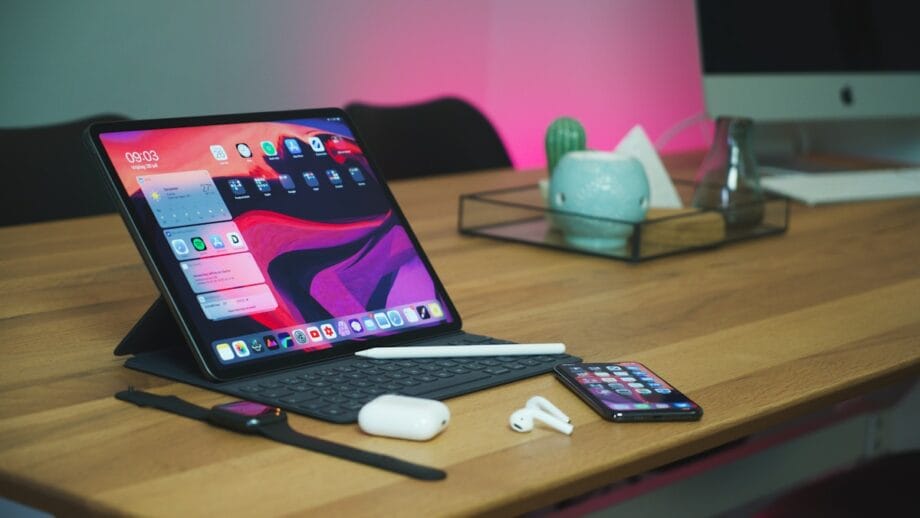
We run into smartphones, smartwatches, wireless earbuds, fitness trackers, and home automation devices every day, and each one solves a specific problem in our lives. Here’s how these tools shape our daily experience, and why manufacturers keep innovating.
Smartphones and Smartwatches
Smartphones work as central hubs for our digital life. These devices pack powerful processors, sharp displays, and extensive app libraries into a compact form.
Smartphone use has reached nearly universal levels among students and professionals, making these devices essential for both work and personal life. Our phone connects us to productivity apps, messaging, and countless services through one touchscreen.
Smartwatches extend that power straight to our wrist, adding health tracking and instant notifications without us having to pull out our phone. Here’s how the two devices compare:
| Feature | Smartphone | Smartwatch |
| Primary use | Calls, apps, browsing | Health tracking, quick alerts |
| Wear location | Pocket or bag | Wrist |
| Battery life | 1 to 2 days | 1 to 7 days depending on model |
| Best for | Deep tasks, apps, calls | Glances, fitness, alerts |
Our smartwatch shows incoming messages, calls, and calendar alerts in real time, keeping us connected during meetings, workouts, or our commute. Both devices support a wide range of apps, building an interconnected ecosystem that streamlines how we work, exercise, and stay informed.
Wireless Earbuds and Fitness Trackers
Wireless earbuds are a major category of wearable technology built for entertainment and hands-free calls. These compact devices connect to our phone via Bluetooth, transmitting audio without cables.
We gain real portability since earbuds fit right into our pockets or bags, making them ideal for listening on the go. Sound quality has improved a lot in recent years, so we get clear audio for music, podcasts, and calls.
Fitness trackers are personal health monitors worn on our wrist or body to measure activity and vital health data. These gadgets log our daily steps, heart rate, calories, and sleep, giving us a clear read on our fitness progress.
We sync tracker data to our phone through companion apps, which lets us follow trends over time. Data security matters here too, since these devices collect sensitive information about our body and habits.
Both wireless earbuds and fitness trackers show how connectivity and smart design have reshaped modern wearable tech, changing how we stay informed about our health and entertainment.
Home Automation Devices
Home automation devices are a category of smart gadgets that let us control and monitor our homes remotely via our phones, tablets, or voice commands.
These devices connect communication technology to our home systems to build what experts call the Internet of Things (IoT), or a smart home. Smart thermostats learn our temperature preferences and adjust automatically, while smart lighting controls let us flip lights on or off from anywhere.
Security cameras provide real-time monitoring, and smart appliances like coffee makers and meat thermometers handle tasks with minimal manual input. Voice assistants like Amazon Echo or Google Nest make these routines even more convenient.
The main advantages of home automation devices are improved energy management and home security, plus a real boost to our productivity. Smart thermostats reduce energy waste by learning our schedule, while security systems alert us on our phone the moment something unusual happens. Many of these devices work together, turning our living space into one intelligent environment that saves us money and gives us peace of mind.
Key Takeaways
- A gadget is a small mechanical or electronic device designed to perform a specific task, combining practical use with innovative design to make everyday activities easier.
- Most gadgets are portable, simple to use, and built for a clear purpose, making them more effective at specific jobs than general-purpose devices.
- Gadgets have evolved from basic mechanical tools into smart, internet-connected devices that can automate tasks, respond to user preferences, and collaborate through networked technologies.
- Different types of gadgets serve different needs, including communication, health monitoring, education, home management, productivity, and entertainment.
- When choosing a gadget, look beyond appearance and consider its portability, functionality, ease of use, and whether it solves a real problem for our daily routine.
- Smart gadgets often collect and share data, so it is important to pay attention to privacy, security, and the protection of our personal information.
- Gadgets can improve productivity, simplify household tasks, support learning, and help us stay connected, but they should be used responsibly to maintain a healthy balance between technology and everyday life.
- Understanding what makes a gadget useful helps us make informed decisions and select devices that match our needs, rather than choosing technology simply because it is new or popular.
Conclusion

So, what is a gadget? It’s a practical innovation that changes how we work, play, and talk to people every single day.
These small mechanical or electronic devices pack clever engineering into a portable form, offering specialized functions that solve real problems.
From smartphones to fitness trackers, gadgets keep evolving, making technology more affordable and easier to reach for everyone. Knowing what makes a gadget genuinely valuable helps us pick the right tools for our specific needs.
Understanding what makes a gadget useful helps people evaluate technology more effectively and make informed decisions as new devices continue to evolve.


