Samsung is relentlessly advancing smartphone technology, unveiling groundbreaking concepts that redefine the potential of mobile devices.
A recently revealed patent suggests the company is exploring a revolutionary triple-folding smartphone design, possibly called the Galaxy Z TriFold 2.
This ambitious innovation envisions a device that morphs into a tablet-like display when fully unfurled, marking a significant evolution from the conventional foldable models currently prevalent in the market.
Despite its promise of enhanced usability and functionality, uncertainties regarding practicality, robustness, and consumer appeal loom large over its prospective success.
Triple-Folding Design: A New Epoch for Foldables
Central to this innovation is its triple-folding mechanism, distinguishing it from existing foldable devices. In contrast to current iterations that hinge on a single fold, the Galaxy Z TriFold 2 employs two hinges, facilitating a three-part folding mechanism.
This design enables a seamless transition from a compact smartphone to a large tablet-sized display. When closed, the device may take the form of a mini tablet, offering an intriguing balance between portability and expansive screen space.
This design appeals particularly to users who emphasize multitasking and immersive media consumption.
The larger, unveiled display could be enticing to professionals who demand productivity on the move, as well as to entertainment aficionados who appreciate a broader viewing experience.
By catering to the increasing appetite for wider foldable displays, Samsung aims to position the Galaxy Z TriFold 2 as an adaptable device that seamlessly connects smartphones and tablets.
Patent Insights: A Glimpse into Samsung’s Aspirations
The patent unveils a comprehensive vision of Samsung’s aspirations for the future of foldable technology.
It details a device featuring an outer display for rapid interactions, such as notification checks and call-making, alongside an inner screen tailored for robust productivity and entertainment.
This dual-display strategy aims to circumvent some limitations of existing foldables, which frequently feature narrow aspect ratios and reduced functionality when folded.
While the patent showcases an exhilarating vision, it is crucial to acknowledge that not all patented concepts culminate in actual production. The Galaxy Z TriFold 2 epitomizes potential; its transition from blueprint to market-ready product hinges on overcoming technical and commercial hurdles.
Nonetheless, the patent underscores Samsung’s commitment to pioneering innovative solutions addressing the evolving needs of smartphone users.
Industry Trends: The Transition Toward Broader Foldables
Samsung’s foray into triple-folding technology resonates with wider trends permeating the smartphone industry.
Competitors, including Apple, are reportedly exploring foldable devices boasting broader displays, such as the speculated iPhone Ultra, which may incorporate a passport-style design.
These developments signal a departure from the elongated, slender designs that currently dominate the foldable marketplace.
Wider displays present a multitude of advantages, including enhanced usability, improved multitasking capabilities, and a more enveloping viewing experience.
By embracing this trend, Samsung has the opportunity to position the Galaxy Z TriFold 2 as a vanguard in the forthcoming generation of foldable devices. If achieved, this device could establish new standards for innovation, functionality, and design within the foldable smartphone sphere.
What Could the Galaxy Z TriFold 2 Provide?
Although formal details regarding the Galaxy Z TriFold 2 remain elusive, leaks and conjecture suggest that the device might be equipped with groundbreaking hardware to complement its innovative design. Anticipated specifications may include:
- A 5.4-inch outer display for rapid tasks, notifications, and fundamental interactions.
- A 7.6-inch inner screen developed for immersive multitasking, gaming, and content engagement.
- A Snapdragon 8 Elite Gen 5 processor, ensuring exceptional performance and efficiency.
- A 5,000mAh battery to cater to the energy requirements of a triple-folding device.
These features imply that the Galaxy Z TriFold 2 may be positioned as a premium device, appealing to tech enthusiasts and early adopters eager to capitalize on the latest advancements in smartphone technology.
By marrying innovative design with high-performance hardware, Samsung could create a device that captivates both productivity-oriented users and entertainment seekers.
Challenges Ahead: Balancing Innovation and Practicality

While the triple-folding design proffers exhilarating possibilities, it concurrently introduces substantial challenges. One primary concern is the elevated production costs associated with the intricate folding mechanism and advanced materials required for durability.
These elements could culminate in a steep price point, potentially limiting the device’s market accessibility.
Durability presents another critical consideration. The hinges, pivotal to the device’s functionality, must endure repeated folding while maintaining performance integrity.
Additionally, the device’s weight and thickness could influence its practicality, especially vis-à-vis existing foldable smartphones.
Samsung will need to tackle these challenges to ensure that the Galaxy Z TriFold 2 not only distinguishes itself through innovation but also exemplifies reliability and user-friendliness.
Samsung’s Commitment to Innovation
The Galaxy Z TriFold 2 patent underscores Samsung’s resolve to pioneer new form factors and tackle the limitations of prevailing smartphone designs.
Through audacious concepts like the triple-folding mechanism, Samsung continues to mold the future of the smartphone industry, responding adeptly to the evolving demands of consumers.
Though the practicality and market viability of triple-folding devices remain ambiguous, the Galaxy Z TriFold 2 signifies an exciting step forward in smartphone innovation.
It illustrates Samsung’s willingness to experiment with new ideas, pushing the limits of what mobile technology can accomplish.
The Future of Foldable Smartphones
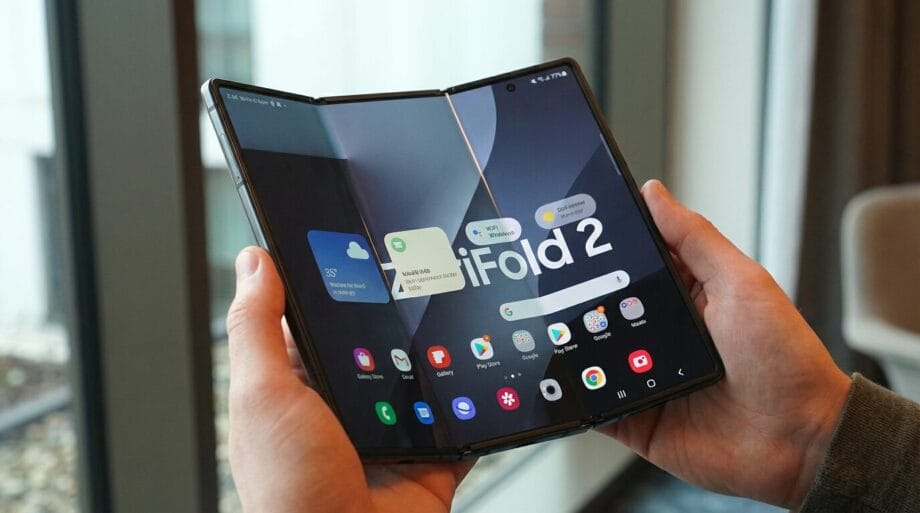
As the landscape of foldable smartphones evolves, devices like the Galaxy Z TriFold 2 may outline the next chapter of innovation.
Broader displays, augmented multitasking capabilities, and advanced hardware are poised to become essential characteristics of future foldables.
Nevertheless, the triumph of these devices will hinge on achieving a harmonious balance of innovation, practicality, and affordability.
For the present, the triple-folding concept provides an enticing vision into the potential trajectory of smartphones.
Whether the Galaxy Z TriFold 2 materializes as a tangible product remains uncertain, yet it epitomizes the industry’s commitment to extending the boundaries of design and functionality, forging pathways for a new epoch of mobile technology.
Source link: Geeky-gadgets.com.