Recent reports indicate that the iPhone 17 has achieved unprecedented popularity as Apple’s most esteemed lineup to date, with the iPhone 17 Pro and 17 Pro Max leading the pack.
However, a perplexing plastic strip located at the apex of the U.S. models has captured the curiosity of many users.
Positioned near where the power button resided on earlier models like the iPhone 5s, this strip starkly contrasts with the all-aluminum chassis and seems to conceal an intriguing feature.
In an unexpected revelation, users deduced that the strip serves as a conduit for a 5G mmWave antenna. Notably, this slit is absent in models outside of specific markets.
The rationale is straightforward: the antenna is essential solely in regions like North America that depend on mmWave technology for high-speed 5G connectivity.
While this clarification alleviates one mystery, additional inquiries arise. Why was there no antenna in this location on previous models?
What prompted Apple’s design overhaul? Ultimately, the answer lies in the sophisticated aluminum casing employed in the iPhone 17 Pro, which reviewers commend.
Given that aluminum can obstruct radio signals, the insertion of this slit appears to have been a necessity.
Where Did Previous iPhones Conceal the 5G Antenna?
Absent the strip atop the iPhone 17 Pro, users might voice frustrations regarding diminished 5G performance in metropolitan locales.
The incorporation of mmWave 5G has been a prevalent feature in U.S. iPhone models since the advent of the iPhone 12. But how did earlier iterations accommodate the antenna?
The methodology varied intriguingly. For example, the iPhone 12 Pro housed the antenna slit below the power button.
This configuration evolved with the iPhone 14, which repositioned the slit to the upper right side of the device.
The subsequent Pro model saw the slit shift slightly higher, while the iPhone 16 Pro ingeniously concealed its antenna behind the upper back panel, likely to allow room for the new Camera Control button.
As for the standard iPhone 17 model, reviews indicate an aluminum-framed exterior complemented by a glass back.
Therefore, a slit at the top would have been superfluous; the antenna is simply integrated behind the back panel.
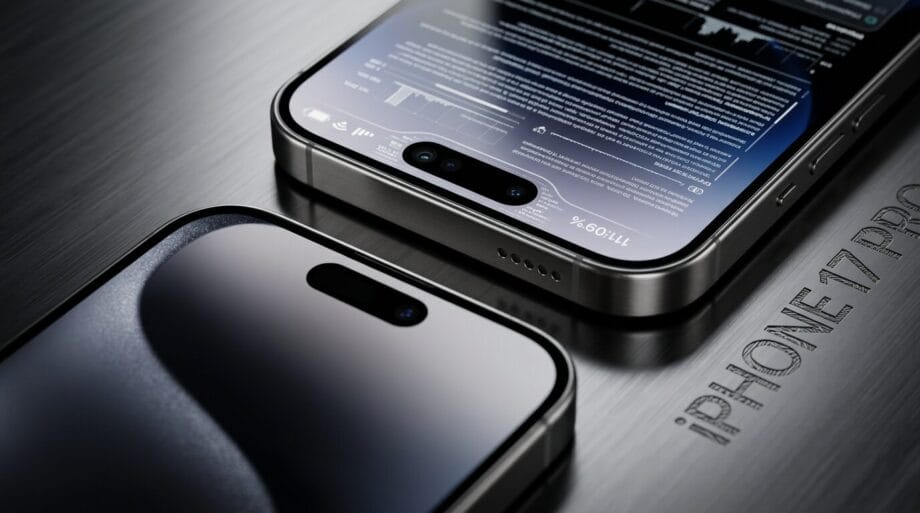
Regardless, the novel strip on the iPhone 17 Pro unmistakably signifies a U.S. model. Although it may have initially perplexed users, this meticulously crafted design element serves as a strategic location for the mmWave 5G antenna.
After all, it’s strategically positioned to avoid being inadvertently obstructed by the user’s fingers during operation.
Source link: Bgr.com.