The phrase ‘iPhone Luna’ has gained significant momentum across various social media platforms, propelled by a myriad of sophisticated, moon-inspired smartphone concept images that are disseminated as if they were legitimate Apple leaks.
This phenomenon has incited considerable bewilderment among users, many of whom are left questioning whether this avant-garde device is authentic, undergoing development, or merely another instance of artificial intelligence-generated designs masquerading as actual product announcements.
Currently, Apple has not provided any formal confirmation, leaving the circulating assertions unsubstantiated.
Popularity of the ‘iPhone Luna’ Concept
The ‘iPhone Luna’ denotes an array of fan-created and AI-generated renderings showcasing a visionary iPhone imbued with lunar-inspired aesthetics.
These visuals typically portray an elegantly designed, ultra-slim device featuring a foldable display, a streamlined body composition, and a minimalist interface devoid of traditional buttons.
Some iterations of this concept incorporate luminescent or reflective surfaces described as ‘moon-inspired’, further solidifying the term’s trending status across various search engines.
However, there is no verifiable evidence that Apple has either utilized or endorsed the ‘iPhone Luna’ nomenclature.
Experts in technology and digital media assert that the imagery circulating online is likely the product of cutting-edge 3D rendering tools or AI image generators, rather than genuine prototype leaks or sanctioned product designs.
The swift ascent of the ‘iPhone Luna’ phenomenon seems intricately linked to an upsurge in the sophistication of AI-generated imagery and its viral dissemination on short-form video platforms.
Clips featuring this concept have been extensively circulated on TikTok, X, and YouTube, often styled in ways that echo official Apple launch presentations.
This specific presentation format has amplified misunderstandings, leading some viewers to misconstrue the content as information leaks, rather than speculative design exemplars. The absence of prompt clarification from authoritative sources has further kindled engagement and discussion online.
Moreover, burgeoning public intrigue surrounding foldable smartphone technology adds another layer of interest.
As prominent manufacturers delve into flexible display technologies, consumer openness towards futuristic smartphone concepts increases, even in the absence of verified developments.
Lack of Verified Evidence for an Apple Product
Despite the overwhelming online buzz, no substantiated evidence exists indicating that a device branded as ‘iPhone Luna’ is either in existence or in the pipeline for Apple.
The tech giant has not announced this product, nor does it appear in any known supply chain documents, regulatory filings, or industry leaks associated with forthcoming iPhone iterations.
Although Apple is reportedly keen on exploring foldable device technologies, no indication ties any potential project to the ‘iPhone Luna’ nomenclature or the specific designs circulating in the online sphere.
Market analysts advise that names of viral concepts can often gain traction independently of any authentic product roadmap, especially when visuals are remarkably lifelike and widely disseminated.
The Intersection of AI-Generated Designs and Tech Ambiguity
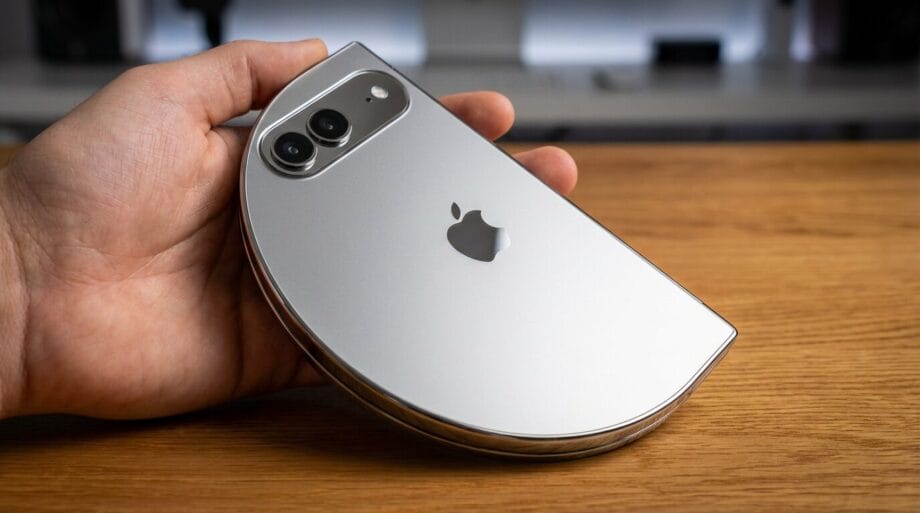
The proliferation of the ‘iPhone Luna’ concept illuminates a broader trend wherein AI-generated imagery increasingly obscures the distinctions between speculative design and perceived reality.
As rendering technology continues to advance, conceptual devices can convincingly simulate authenticity to unsuspecting viewers.
This evolution has engendered a surge in ‘fake leaks’, wherein fictitious products catch public fascination as trending topics before being identified as unofficial.
In the instance of ‘iPhone Luna’, the amalgamation of futuristic design components and Apple’s distinctive branding has propelled its swift proliferation across digital platforms.
Public Sentiment and Ongoing Discourse
This discourse has spurred a broader conversation about how technology audiences interpret viral material, particularly when AI-generated visuals closely mimic actual product marketing strategies.
As the trend persists, the ‘iPhone Luna’ exemplifies the remarkable speed with which speculative designs can capture mainstream attention, all without any legitimate endorsement from Apple.
Source link: Ibtimes.co.uk.