Apple Set to Introduce Major Overhaul for Messaging
Apple’s forthcoming transformation of its messaging ecosystem is being heralded as a pivotal advancement.
Contrary to popular belief, the integration of end-to-end encrypted Rich Communication Services (RCS) between iPhone and Android devices does not signify the demise of the notorious green bubbles. Instead, users may soon discover the stark realities of this supposed upgrade.
Since its inception in 2011, iMessage has always prioritized security, boasting end-to-end encryption from the outset. However, this protection has only been applicable between Apple devices, even in the face of ongoing attempts to breach its closed ecosystem.
In a typical exchange, the blue bubbles indicate that, according to Apple, “your conversations are encrypted end-to-end, making them unreadable during transmission.”
Conversely, standard SMS texts, marked by green bubbles, have long lacked this level of security. This disparity underscores a recent admonition from the FBI, urging U.S. citizens to “stop texting” across platforms until greater changes are implemented.
Previously, Apple had incorporated RCS functionality into iMessage, enhancing SMS formats while concurrently issuing a caveat: “RCS messages remain fundamentally reliant on industry standards. They lack end-to-end encryption, leaving them vulnerable to potential interception during transmission.”
With the anticipated upgrade to the latest RCS architecture, end-to-end encryption will be attainable. However, this encryption remains contingent upon the adoption of established “industry standards.”
Therefore, users will continue to encounter green bubbles, as encrypted RCS may revert to unencrypted protocols—such as RCS without encryption—and, ultimately, SMS—depending on the capabilities of the involved carriers and devices.
In stark contrast, iMessage is a fortress of encryption that cannot be undone. Comparatively, WhatsApp’s encryption model ensures that its messages are perpetually secured between both iPhone and Android users.
WhatsApp clearly communicates, “Messages and calls are end-to-end encrypted,” positioning their service as equivalent to Apple’s blue bubble signaling.
While the RCS functionality in Google Messages may not match the efficacy of Apple’s upgrade, it represents a more streamlined messaging protocol.
Google has developed RCS on its own infrastructure, allowing it to bypass carrier limitations, thus bringing a semblance of iMessage’s functionality to Android users.
Yet Apple’s RCS transition forefronts two critical concerns. Texting between iPhones and Android devices could still enter an unencrypted state due to its standards-based design.
The interface will reflect changes—displaying “RCS” and later “Encrypted RCS,” accompanied by a padlock icon—signifying not a holistic transition but a mere update to the messaging experience.
Moreover, the implementation is carrier-dependent and may result in connectivity issues. Unlike Google’s infrastructure, which allows universal messaging securely for all users with updated applications, Apple’s forthcoming RCS framework will not offer the same advantages when facilitating cross-platform communication.
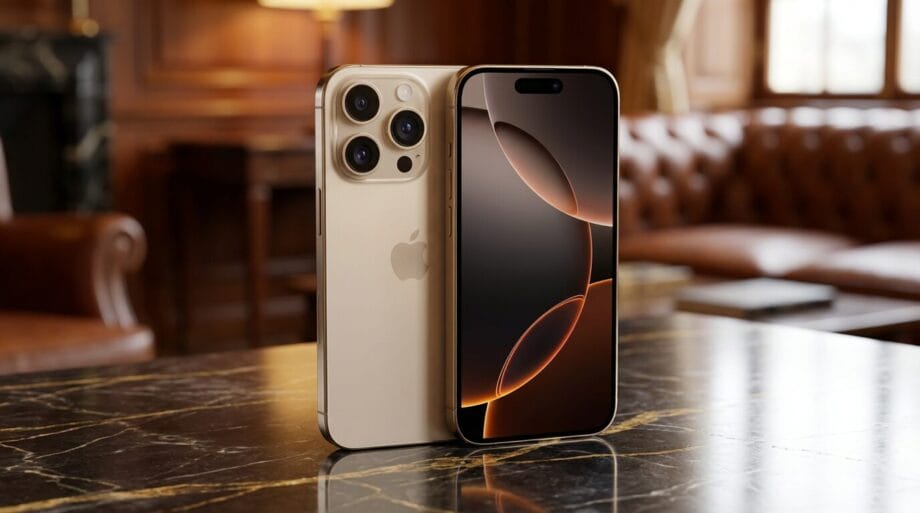
This enhancement to the iPhone messaging landscape is touted as a remedy for recent warnings from authorities regarding the security of text communications.
Nonetheless, while improvements are on the horizon, the reality is that traditional text messaging is unlikely to fully vanish. The existing warnings persist: If you see a green bubble, proceed with caution.
Source link: Sg.news.yahoo.com.