Apple Set to Launch Foldable iPhone by September 2026
Apple Inc. is poised to introduce its inaugural foldable iPhone, reportedly named iPhone Ultra, in September 2026. This development arises from a confluence of supply chain insights and analytical predictions that have garnered momentum in recent weeks.
The device’s anticipated debut will coincide with the launch of the iPhone 18 Pro and iPhone 18 Pro Max during the company’s annual autumn event.
Bloomberg journalist Mark Gurman stated on April 7 that the foldable model remains scheduled for a September unveiling, contradicting earlier concerns regarding potential manufacturing setbacks.
“Apple’s first foldable phone is expected to launch during the company’s typical iPhone introduction period later this year,” Gurman revealed, citing sources privy to the company’s plans.
Initial production has commenced at Foxconn, the chief assembler, hinting that mass production could escalate as early as July or August, contingent upon resolving engineering challenges.
This announcement comes amid increased pressure on Apple to innovate in a smartphone market characterized by incremental enhancements.
Competitors such as Samsung and Google have successfully sold millions of foldable devices since 2019, with Samsung’s Galaxy Z Fold series now in its eighth iteration.
Apple, having devoted significant time to perfecting the foldable technology, aims to emphasize durability and a virtually crease-free experience that has eluded other manufacturers.
Ming-Chi Kuo, an influential analyst with a keen eye on Apple’s supply chain, initially projected a 2026 launch in mid-2025.
Samsung Display is reportedly preparing its annual capacity to produce between 7 million and 8 million foldable panels specifically for this device.
According to Kuo’s June 2025 post on X, shipments for the initial model are estimated to reach 3 million to 5 million units in 2026, with a notable increase anticipated for a second-generation model in 2027.
Leaks indicate the foldable design will resemble a book, opening like a compact tablet. When closed, the device is expected to feature a 5.5-inch exterior display.
Upon unfolding, it will reveal an expansive 7.8-inch inner screen with a 4:3 aspect ratio, reminiscent of the iPad mini.
Remarkably, the phone is rumored to measure only 4.5 millimeters in thickness when open, achieved through the implementation of a titanium alloy hinge and chassis.
Dummy units shared by Sonny Dickson on X in mid-April showcased the final dimensions, confirming a broader, passport-like configuration when closed.
A significant differentiator lies in Apple’s purported solution to the noticeable crease that afflicts most foldables. The inner display is crafted using sophisticated materials to create an almost imperceptible fold line, a pursuit Apple has prioritized since early prototypes.
The hinge is anticipated to incorporate liquid metal components, ensuring smoother operation and enhanced durability, with testing reported to surpass 200,000 folds.
Changes to camera and biometric functionalities are also on the horizon. The device is expected to feature dual 48-megapixel rear cameras in line with recent Pro models, while an under-display front camera might eliminate the notch or Dynamic Island entirely from the inner screen.
Reports suggest that Face ID might be omitted in favor of a side-mounted Touch ID button, which could optimize internal space and address concerns regarding hinge reliability.
The phone is projected to be powered by an A20 Pro chip, accompanied by 12 gigabytes of RAM and a sizable battery estimated between 5,500 and 5,800 milliamp-hours, significantly surpassing the capacities of non-foldable iPhones to accommodate the larger screen.
While pricing details remain ambiguous, expectations indicate a starting point above $2,000, categorizing the iPhone Ultra as a premium alternative to the iPhone 18 Pro Max.
This pricing would position it as the most expensive iPhone in Apple’s history, targeting professionals and early adopters willing to invest in this innovative form factor.
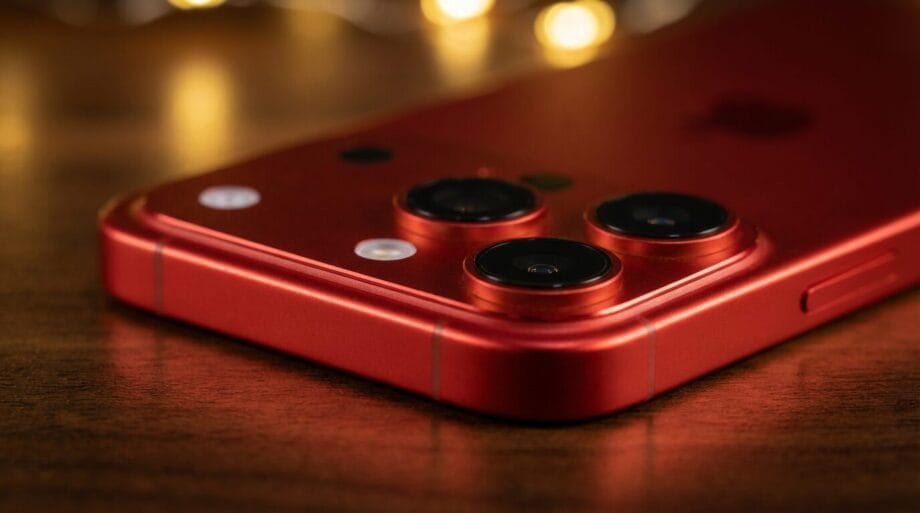
The timing of the launch aligns with a broader recalibration of Apple’s product roadmap. Reports indicate that standard iPhone 18 models have been postponed until spring 2027, allowing the company to focus its September event on the foldable model and its two Pro variants.
Some sources suggest that initial availability could extend to December due to cautious production scaling, yet Gurman and others maintain that the September target for announcement and initial sales is still intact.
However, not all indicators are entirely favorable. DigiTimes reported in April that mass production schedules faced delays of up to two months due to engineering issues, briefly igniting speculation regarding a potential 2027 postponement.
Nikkei Asia echoed concerns surrounding supply chain disruptions. Yet subsequent updates from Gurman and confirmation of trial production have alleviated many of those worries.
“Barring unforeseen circumstances, the iPhone Fold’s foldable screen is likely to enter mass production around July,” a supply chain source informed Weibo in early April.
Apple has yet to publicly comment on the device, adhering to its longstanding policy of confidentiality surrounding unreleased products.
The company typically unveils new iPhones in early September, with products becoming available in stores the following Friday. If tradition holds, consumers may be able to pre-order as early as mid-September.
Industry analysts assert that the stakes are significant. Currently, foldables represent a burgeoning yet substantial segment; global shipments surpassed 20 million units in 2025, with Samsung commanding approximately 60 percent of the market share.
Apple’s entry could validate this category and catalyze further adoption, akin to the impact of the original iPhone on touchscreen smartphones in 2007.
Yet, challenges persist. Durability has historically been a blind spot for foldables, with early iterations plagued by hinge malfunctions and screen creases after repeated use.
Battery longevity with larger displays also poses a concern, especially given Apple’s commitment to all-day performance.
Moreover, software optimization will play a vital role. iOS 27 is expected to feature native capabilities for foldables, including split-screen multitasking and app continuity upon unfolding, though developers will require time to adapt.
The foldable iPhone represents broader strategic transformations at Apple under the leadership of new CEO John Ternus, who succeeded Tim Cook in late 2025.
The company has heavily invested in advanced materials and display technologies, encompassing micro-LED research that may emerge in future models.
A successful introduction could pave the way for additional foldable devices, such as a larger iPad or even a successor to the MacBook.
Consumer reactions have been mixed in initial online discussions. Some enthusiasts on platforms such as X and Reddit express exhilaration at the prospect of possessing an Apple device that amalgamates both phone and tablet functionalities.
Conversely, some apprehensions regarding the high price and potential reliability issues might constrain appeal beyond technology aficionados.
“If Apple perfects the crease-free display and hinge durability, this could transform the landscape,” one analyst remarked to CNET. “If not, it risks devolving into an exorbitant experiment.”
Supply constraints appear inevitable during the product’s inaugural year. Apple is renowned for exercising caution regarding initial production quantities for radical redesigns, as demonstrated with the iPhone X in 2017.
Analysts predict that the iPhone Ultra could experience sellouts, catalyzing a scarcity effect that generates excitement and fuels demand for a potential refresh in 2027.
Looking ahead, a second-generation model is already in the pipeline, with mass production projected for the latter half of 2027. Shipments could reach 20 million units that year as Apple enhances capacity and reduces costs.
For now, the focus remains firmly on 2026. Dummy units, component leaks, and analyst reports have converged into a cohesive vision: a premium, book-style foldable that emphasizes Apple’s hallmark polish over aggressive experimentation.
The product’s fulfillment of expectations will ultimately rely on the final offering revealed by Apple this fall.
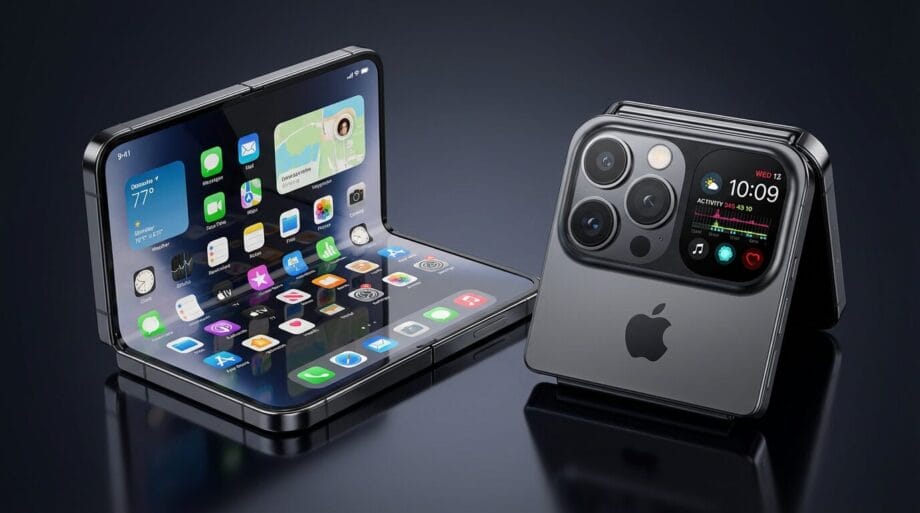
As September approaches, anticipation mounts. The foldable iPhone has been the subject of speculation for over five years, with release dates repeatedly postponed from 2023 to 2024, from 2025 to its current target of 2026.
This time, the combination of trial production, high-level confirmations from Gurman, and synchronized supply chain activities suggests that the long wait may finally draw to a close.
Apple’s foray into this domain could redefine the smartphone landscape, compelling competitors to accelerate their innovations while offering consumers a novel means to engage with iOS.
For a company that once transformed the industry with a singular slab of glass and aluminum, the foldable iPhone Ultra signifies the next evolutionary step—one that emerges not merely as a first-mover gamble, but as a meticulously crafted declaration of intent.
Source link: Ibtimes.com.au.