Quick Summary
Winning a SaaS customer is only the beginning – retention depends on how well the product performs in real-world conditions. While demos showcase ideal scenarios, actual environments introduce complexity, integrations, and high usage, revealing small but persistent software issues. These minor problems – like slow dashboards, inconsistent data, or clunky workflows – may seem insignificant individually, but they compound over time, disrupting operations and eroding user confidence. In high-stakes settings like factories, even slight inefficiencies can push users to abandon the software in favor of more reliable alternatives.
The real risk isn’t just the presence of bugs, but how poorly they are tracked, understood, and resolved. Fragmented feedback, lack of context, and slow issue resolution create frustration and weaken trust. SaaS teams that implement structured feedback loops, capture detailed user context, and proactively analyze recurring issues can significantly improve product reliability. Ultimately, retention is earned after the sale – by consistently delivering a dependable experience, reducing friction, and proving the product can support critical operations under real-world pressure.
Introduction
Winning a customer in SaaS often feels like the hardest part. There is pipeline pressure, long sales cycles, and constant competition. But once a deal is signed, a different challenge begins, especially in environments where software is tied directly to operations like factories, warehouses, and production facilities.
What looks like a successful acquisition can quietly turn into churn if the product does not hold up under real usage. And in most cases, it is not dramatic system failures that push customers away. It is the accumulation of smaller issues that slowly breaks confidence.
The Gap Between Demo Experience and Operational Reality
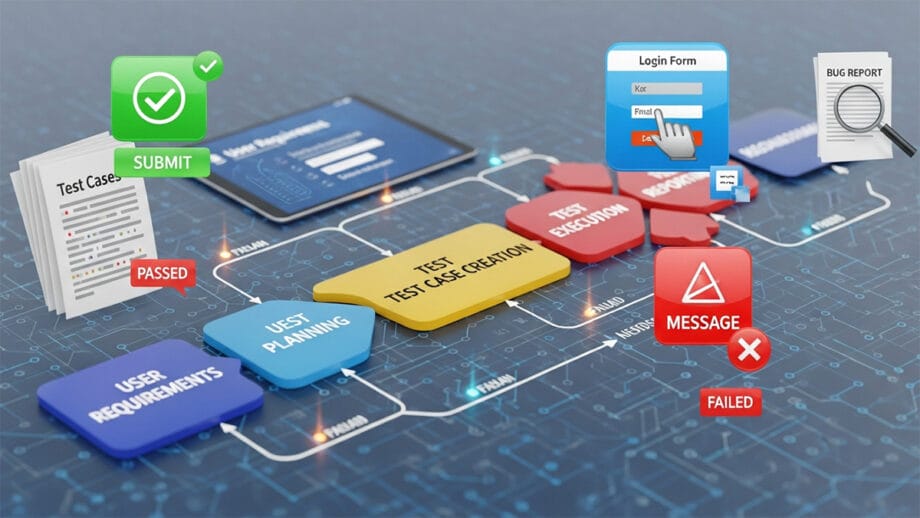
During the sales process, SaaS products are presented in controlled conditions. Clean datasets, ideal workflows, and limited edge cases. Everything works as expected.
Once deployed into a factory environment, complexity increases immediately. Systems connect with legacy infrastructure, multiple users interact at once, and real-time data starts flowing in from machines and sensors.
This is where cracks begin to show.
A reporting dashboard that worked perfectly in a demo might lag when pulling live production data. A workflow that seemed intuitive might become confusing when used across shifts by different operators.
The problem is not that issues exist. It is that they show up after the customer has already committed.
Why Small Issues Create Big Friction
Most SaaS teams underestimate how much small issues affect day-to-day usage.
Consider a plant manager relying on a SaaS platform to monitor output. If the dashboard:
- Takes a few extra seconds to load.
- Occasionally shows inconsistent data.
- Requires manual refreshes.
None of these is catastrophic. But they interrupt decision-making.
In a factory, time matters. Operators are making quick calls based on what they see. If the system slows them down or introduces doubt, they will look for alternatives, even if that means going back to manual processes.
According to research from Salesforce, 88% of customers say the experience a company provides is as important as its products or services. In SaaS, that experience is defined by how reliably the product performs under real conditions.
Trust is Built in Use, Not in Sales
Retention in SaaS is fundamentally about trust. Customers need to believe that your product will support their operations consistently.
In factory environments, this trust is tested constantly:
- During peak production periods.
- When systems are under load.
- When issues need to be resolved quickly.
If users encounter repeated friction, they start to question the reliability of the system. Even if each issue is minor, the cumulative effect is significant.
A maintenance supervisor might think, “Can I rely on this data?”
Once that question appears, retention is already at risk.
The Cost of Poor Issue Visibility
One of the biggest reasons SaaS companies lose customers is not the presence of bugs, but how those bugs are handled.
In many cases:
- Issues are reported through fragmented channels.
- Feedback lacks technical context.
- Teams struggle to reproduce problems.
- Resolution takes longer than expected.
This creates a frustrating experience for the customer. They feel heard, but not helped.
In factory settings, delays in resolving issues can affect production schedules, compliance reporting, and overall efficiency.
A study referenced by Gartner suggests that poor service experiences are a key driver of customer churn, particularly in enterprise software, where expectations around reliability are high.

Where SaaS Teams Often Fall Short
There is a common assumption that having a support team and a ticketing system is enough to manage issues.
In reality, the problem is deeper.
Tickets often contain:
- Vague descriptions.
- Missing steps to reproduce.
- Incomplete context about the environment.
For example, a factory operator might report that a system is “not updating correctly.” Without knowing what data was being processed, what device was used, or what actions led to the issue, the engineering team is left guessing.
This slows down resolution and increases frustration on both sides.
Bringing Structure into Feedback Loops
To improve retention, SaaS teams need to rethink how feedback is captured and managed.
It is not just about logging issues. It is about preserving context from the moment a problem occurs.
This includes:
- Capturing the exact state of the interface.
- Recording user actions leading up to the issue.
- Automatically collecting technical details.
Using bug tracking tools can help centralise this process, making it easier for teams to understand and resolve issues without relying on fragmented communication.
When feedback is structured, resolution becomes faster and more accurate. This directly impacts how customers perceive the product.
Real World Impact in Factory Environments
In industrial settings, the consequences of software issues are more tangible.
A delay in resolving a system bug might mean:
- Incorrect inventory counts.
- Delayed production runs.
- Missed compliance checks.
These are not minor inconveniences. They affect the core operations of the business.
Because of this, customers in these environments are less tolerant of friction. They expect systems to work consistently and issues to be resolved quickly.
When those expectations are not met, churn becomes a practical decision, not an emotional one.
From Reactive Support to Proactive Improvement
The most effective SaaS companies do not just fix bugs. They learn from them.
By analysing patterns in reported issues, teams can:
- Identify recurring problems.
- Improve system design.
- Address training gaps.
This shifts the focus from reactive support to proactive improvement.
Over time, this reduces the frequency of issues and improves overall product stability, which is critical for retention.
Conclusion: Retention is Earned After the Sale

Acquisition gets customers in the door. Retention keeps them there.
In SaaS, especially within factory and operational environments, retention is shaped by how well the product performs in real conditions.
Software issues, even small ones, have a direct impact on how customers experience the product. When those issues are frequent or poorly managed, trust erodes.
Improving how feedback is captured and resolved, supported by the effective use of bug tracking tools, helps reduce friction, build confidence, and ultimately keep customers engaged long after the sale is done.


