Are AI Layoffs Truly Driven by Artificial Intelligence?
As corporations rapidly channel resources into artificial intelligence, news surrounding layoffs and corporate restructuring has proliferated.
Professor Walsh asserts that not every workforce reduction cited as AI-related is genuinely instigated by the technology itself.
Despite substantial financial commitments to AI, many enterprises remain in a holding pattern, awaiting tangible returns on these investments.
“Undoubtedly, there are strikingly large expenditures occurring, and we have yet to see corresponding gains,” he observes. “Firms are compelled to scrutinize their finances and identify areas for savings to accommodate these hefty investments.”
Professor Walsh contends that certain organizations may employ AI as a convenient rationale for more pervasive business dilemmas.
“There’s an element of AI washing,” he remarks. “A company that perhaps has not been adeptly managed, instead of admitting incompetence, might declare, ‘We are investing in AI.'”
According to Professor Walsh, presenting job reductions as a component of an AI-centric strategy appears more attractive to investors than owning up to managerial errors or lackluster performance.
“Framing it as AI-related while executing a 10% staff reduction, rather than confronting the reality of mismanagement, can lead to an uptick in share prices,” he notes.
This differentiation holds significance, as it may foster the illusion that AI is displacing jobs at a more rapid pace than is actually the case.
The Consequences of AI on Entry-Level Employment
While some assertions regarding AI-induced layoffs may be exaggerated, Professor Walsh identifies one domain where the technology is unequivocally making a discernible impact: entry-level positions. Contemporary AI tools excel in executing tasks traditionally designated for graduates and nascent professionals.
“Currently, the capabilities inherent in AI models align closely with the responsibilities typically assigned to entry-level or graduate jobs, which AI appears to execute exceptionally well,” he says.
However, Professor Walsh cautions that organizations must contemplate ramifications beyond immediate efficiency.
“Most corporate structures resemble pyramids,” he explains. “Numerous individuals enter at the base, with ever-decreasing numbers ascending to managerial roles.”
For companies lessening their graduate recruitment, this presents a significant long-term challenge. “Where will the future middle and upper managers originate?” posits Professor Walsh. “How will they gain insights into the business?”
The concern extends beyond the current scarcity of graduate positions; it encapsulates the crucial pipeline of talent required for tomorrow’s business landscape.
Early indicators of this shift are manifesting. “Data indicates a marked decline in graduate recruitment,” Professor Walsh reports.
“A Financial Times chart illustrated a 30% drop in graduate-level job listings in the UK and US over the past three years, with parallel trends likely in Australia.”
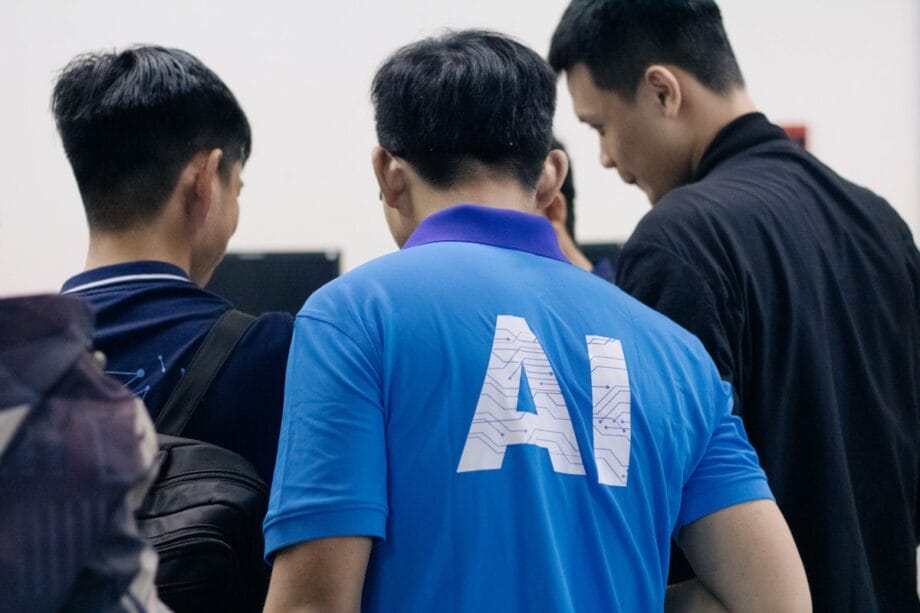
Professor Walsh notes that students are acutely aware of the repercussions. “Feedback from university students indicates they are encountering significant obstacles in securing entry-level roles,” he observes.
Source link: Miragenews.com.