The iPhone Ultra, heralded as Apple’s inaugural foldable smartphone, is poised to experience considerably diminished availability upon its debut.
TF Securities analyst Ming-Chi Kuo has indicated potential launch delays extending several weeks, which may inadvertently create lucrative opportunities for resellers amid anticipated shortages.
Parallels to the iPhone X Launch in 2017
Kuo elucidated on the situation, drawing striking parallels to the 2017 introduction of the iPhone X, as reported by Notebookcheck.
The highly awaited device was unveiled on September 12, alongside the iPhone 8, yet pre-orders did not commence until October 27, with actual availability delayed until November 3.
Kuo anticipates a similar trajectory for the iPhone Ultra: expected to be announced during the Apple keynote projected for September 8 or 9, the official launch may not transpire until the fourth quarter of 2026. The assessment is corroborated by 9to5Mac based on Kuo’s latest insights.
According to Kuo, the forecasted delay stems from constrained production capabilities: in the third quarter of 2026, only 500,000 to 1 million units are slated for production—merely about 10 percent of the anticipated 7 to 8 million devices expected in the latter half of the year.
Apple’s challenges in manufacturing its foldable iPhone are not novel; this issue has been consistently flagged in previous reports concerning display and hinge mechanism delays.
High Prices, Even Higher Resale Margins
Projected retail pricing for the device is also expected to be steep: Kuo estimates it could fall within a range of $2,300 to $2,500, eclipsing previous leaks that placed the European figure around the €3,000 mark.
Should demand indeed outstrip supply by year’s end, Kuo suggests that resellers might secure an additional 50 to 100 percent markup on the official price—paving the way for substantial profits for those who manage to acquire the device ahead of the mainstream.
In contrast to the iPhone X, which recorded sales of approximately 30 million units in the latter half of 2017, Kuo foresees markedly lower sales projections this time around.
For the latter half of 2026, he estimates that only about 7 to 8 million foldable units will find buyers—a mere fraction of the iPhone X sales numbers, attributed largely to the exorbitant price point and persistent fabrication predicaments.
What This Means for Prospective Buyers
For those contemplating a purchase of the iPhone Ultra, Kuo advises that they should brace themselves for delivery periods extending four to six weeks or even longer post pre-order initiation.
Reliable forecasts regarding long-term demand will likely remain elusive until late this year or early 2027, when initial excitement fades and production obstacles are addressed.
Until then, the prospects for Apple’s inaugural foldable device achieving success akin to that of the iPhone X appear precarious at best, with mounting evidence of an arduous sales rollout.
Upon its release, the iPhone Ultra is set to be among the most elusive Apple devices in recent memory.
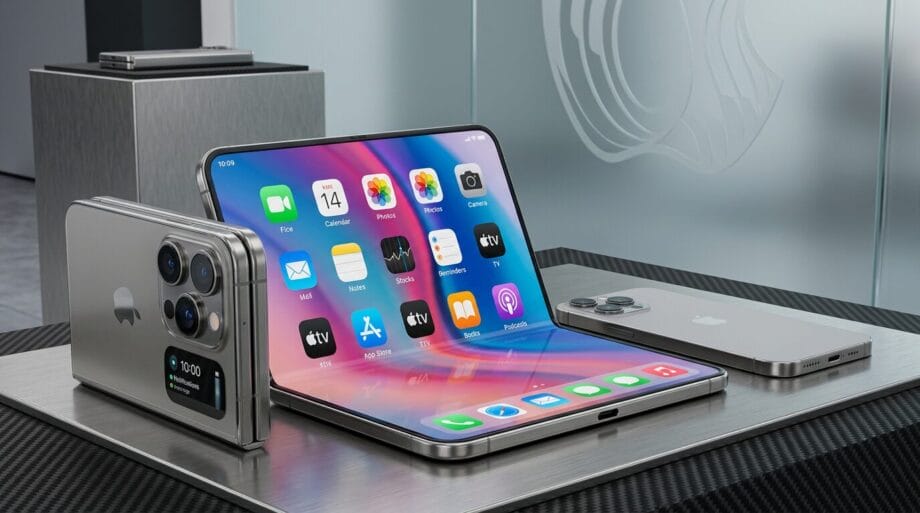
With a luxurious starting price, severely limited supplies, and the possibility of a postponed market entry in the fourth quarter, the indications are clear: prospective buyers will need to act swiftly upon pre-orders or brace themselves for substantial markups from resellers.
Source link: Basic-tutorials.com.