The Rise of Phishing Targeting iPhone Users
For numerous iPhone users, the misplacement of a device transcends mere inconvenience; it signifies a potential loss of cherished photographs, contacts, sensitive financial applications, personal correspondence, pivotal documents, and access to an intricately woven digital existence.
This pervasive anxiety is currently being manipulated in an innovative phishing scheme identified by the National Cybercrime Threat Analytics Unit (NCTAU) of I4C.
This alarming campaign is specifically aimed at Apple iPhone users whose devices are believed to have been lost or pilfered and are currently in the hands of malicious actors.
The perpetrators masquerade as Apple Support or entities affiliated with “Find My iPhone,” dispatching deceptive SMS notifications that seemingly offer assistance in locating, securing, or wiping the compromised device.
Such messages are crafted to evoke a sense of urgency and familiarity. Victims are often informed that their misplaced device has been temporarily deactivated or that immediate action is imperative to safeguard their contacts, media, or other sensitive information
While these notifications may appear to offer reassurance, investigators caution that their true aim is the theft of credentials.
Dissecting the Deception
This modus operandi showcases a meticulous understanding of human behavior and device security protocols.
The initial phase involves the careful selection of targets. Unlike generic phishing attacks that are disseminated haphazardly, this operation focuses on a specific demographic: individuals who have recently lost or had their iPhones stolen.
The assailants may already possess the physical device, heightening the stakes by linking the phishing attempt to a real and distressing occurrence in the victim’s life.
The subsequent stage is the dissemination of the fraudulent SMS. According to advisories, these messages may emanate from primarily numeric sender IDs and impersonate either Apple Support or the company’s device-tracking services.
The language utilized is specifically designed to provoke an expedited response, often suggesting that the device is at risk of being erased, secured, or recoverable only via immediate action.
The third stage involves redirecting victims to a counterfeit portal. The user may find themselves on a faux website that meticulously mimics Apple’s legitimate iCloud or Apple Support login pages.
These deceptive sites typically utilize misleading domain names, familiar layouts, and the visual lexicon of authentic tech platforms.
Distressed users, desiring to recover their missing phones, may find it challenging to discern genuine pages from fraudulent ones.
The concluding phase is the takeover of the victim’s account. Once the victim inputs their credentials and one-time passwords, the attackers gain illicit access to the iCloud account, disable security measures, unlink the stolen device from the associated Apple ID, and facilitate resale or repurposing through illicit channels.
Understanding the Effectiveness of the Scheme
This campaign is particularly adept at exploiting moments when victims are least equipped to act with caution. Losing a phone often engenders anxiety, urgency, and a desperate urge to forestall the misuse of personal information.
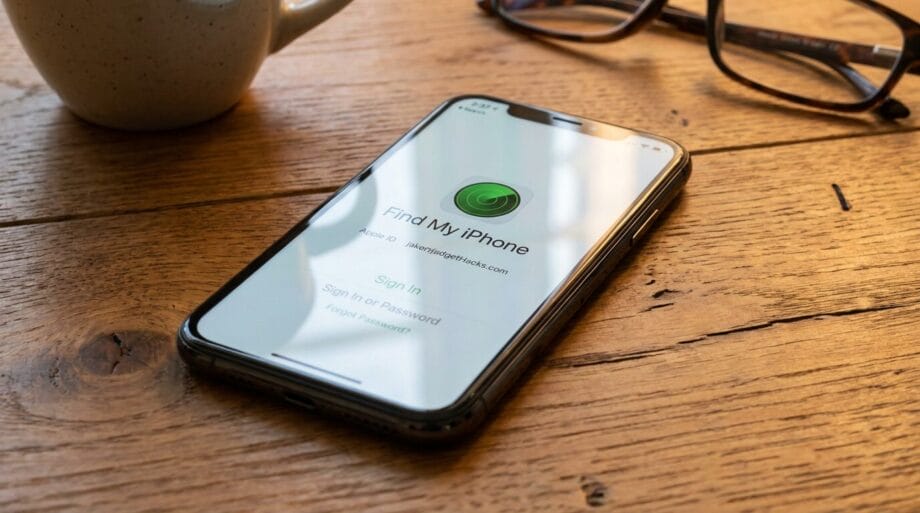
A message purporting to originate from Apple Support or “Find My iPhone” arrives at a moment when its authenticity seems most plausible.
This phenomenon typifies a broader pattern in cybercriminal behavior: attackers exploit not only technical vulnerabilities but also timing, fear, and trust.
In this case, the unshakeable confidence in Apple’s security reputation and the familiarity of services like Find My iPhone facilitate the victim’s assumption that any communication regarding a misplaced device is part of a legitimate recovery process.
The strategy of harvesting one-time passwords also illustrates how cybercriminals are evolving in response to stronger security frameworks.
As two-factor authentication serves to shield users when passwords are compromised, tricking victims into willingly entering OTPs on fraudulent sites effectively circumvents this safeguard.
Removing the Apple ID from a pilfered device holds significant value for criminals. Devices tethered to an Apple ID are inherently more challenging to utilize or resell.
By deceiving the owner into relinquishing access, attackers can dismantle the very security features designed to protect the device post-theft.
Guidelines for Users Post-Loss
The advisory strongly suggests that users approach any SMS links related to lost or stolen devices with a healthy dose of skepticism, particularly when messages originate from unfamiliar, numeric, or international identifiers.
Users should independently verify any URLs before entering their credentials and refrain from clicking links within unsolicited communications.
For Apple users, the most secure method is to directly access the formal Find Devices page: https://www.icloud.com/find.
It is crucial that users do not remove a device from their Apple ID unless they have independently verified the request through authoritative channels and fully comprehend the ramifications. Maintaining “Find My iPhone” as an active feature is essential for safeguarding a missing device.
Victims should exercise caution by abstaining from entering OTPs or two-factor authentication codes on unverified websites, and they should never disclose such codes to any third parties.
Adhering to strong password protocols, enabling active two-factor authentication, and keeping devices up-to-date remain fundamental yet vital safeguards.
In India, users may also report lost or stolen mobile phones for blocking via the CEIR portal, while phishing attempts and cybercrime incidents should be immediately reported at https://cybercrime.gov.in/ or by dialing 1930.

This warning goes beyond a singular phishing endeavor; it serves as a crucial reminder that the theft of a mobile device can swiftly escalate into the theft of personal accounts, identities, and broader digital lives. In such precarious circumstances, the most persuasive message may ultimately be the most perilous.
Source link: The420.in.