UAE Cyber Security Council Issues Alert on Fake Mobile Applications
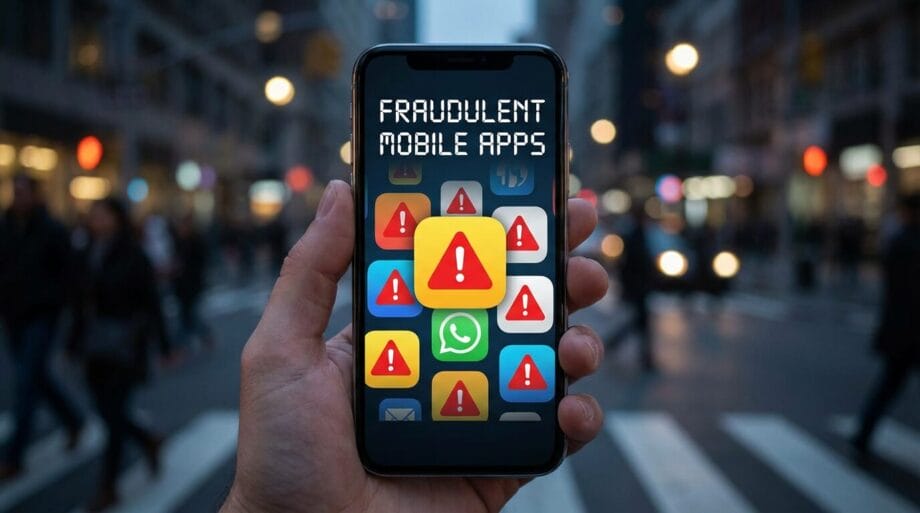
The UAE Cyber Security Council has issued a cautionary announcement regarding the escalating threats posed by counterfeit mobile applications, which cybercriminals utilize to pilfer personal information, engage in fraudulent activities, or perpetrate cyber extortion.
This advisory forms part of the council’s Cyber Pulse initiative, aimed at enlightening the public about the myriad of online security threats and strategies for their evasion.
According to the council, fraudulent applications have emerged as one of the most perilous instruments of cybercrime, targeting both individuals and organizations alike.
These deceptive apps enable criminals to infiltrate personal data, financial records, photographs, and other sensitive information, which could subsequently be weaponized for scams or blackmail.
Authorities have pointed out that a significant number of these counterfeit applications are astutely crafted to resemble legitimate counterparts. Cybercriminals often replicate the names, logos, and user interfaces of well-known apps to ensnare unsuspecting users into downloading them.
Officials revealed that over 85 percent of these fraudulent applications mimic reputable apps, making differentiation an arduous task even for the most seasoned users.
Furthermore, fraudsters are increasingly integrating deepfake technology with counterfeit applications, utilizing manipulated visuals or audio to render their scams more plausible.
The council disclosed that approximately 73 percent of organizations experienced some variant of cyber fraud in 2025, encompassing incidents involving fake applications or other insidious digital tools.
In a single year, more than 200 fraudulent applications were identified, amassing upwards of 40 million downloads before their removal from the Google Play Store.
Authorities recommend that users exercise a series of precautions before downloading any application. Essential practices include verifying the developer’s identity, scrutinizing user ratings and reviews, and inspecting the permissions requested by the app.
Moreover, they have alerted users to the fact that dubious applications may seek unwarranted access to personal data such as photos, contacts, camera functionalities, or geographic locations.
Additionally, the council warns that some counterfeit applications could lead to cyber extortion, wherein criminals threaten to disclose private information unless victims capitulate to monetary demands.
Officials emphasized that victims should abstain from acquiescing to extortion requests, as compliance does not ensure safety and may inadvertently foster further coercion.
The Cyber Security Council implores residents to exercise vigilance when downloading applications, advocating for reliance solely on trusted platforms and verified developers to safeguard their personal information and digital security.
Source link: Filipinotimes.net.