Google’s March 2026 Core Update has led to the suspension of numerous Google Business Profiles belonging to small U.S. enterprises, particularly impacting sectors such as locksmithing, moving, and contracting.
This significant enforcement action targets the practice of keyword stuffing, emphasizing the necessity for ethical keyword usage, authentic reviews, and structured data to regain visibility within map pack listings and ‘near me’ inquiries.
Local business owners in fiercely competitive markets across the United States must adapt swiftly to safeguard their leads, telephonic inquiries, and in-person foot traffic as the update continues its rollout into late April.
The current stringent measures against spam within Google Business Profiles have resulted in widespread suspensions for small businesses following the March Core Update that commenced on March 27, 2026.
The initiative chiefly addresses manipulative strategies like embedding excessive keywords into business names, disproportionately affecting locksmiths, movers, and contractors—industries that previously thrived in local search results.
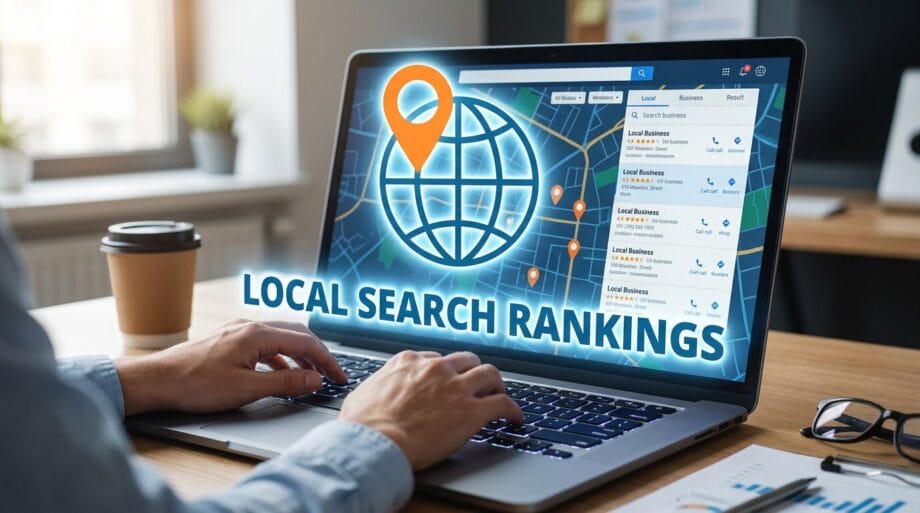
This transformation is crucial for proprietors of small enterprises as it severely disrupts their visibility in essential map packs and ‘near me’ searches that are pivotal in driving mobile, conversational, and foot traffic for potential clients and appointments.
The update prioritizes genuine proximity, authentic customer feedback, and true relevance, effectively restoring fairness to local search proceedings.
Businesses that once employed names like ‘Best Locksmith Atlanta 24/7’ now face delistings, thereby forfeiting their previously advantageous positions that were integral to customer acquisition.
With the Core Update still unfolding as late April 2026 approaches, businesses affected run a heightened risk of enduring prolonged suspension unless swift and ethical corrective actions are undertaken to restore their profiles.
Why This Crackdown Hits U.S. Small Businesses Hardest Now
Small businesses in the U.S. that formerly relied on unethical tactics such as integrating primary keywords into their business names are currently grappling with suspensions, incurring significant visibility losses in crucial local searches.
While primary keywords continue to hold importance, their employment now necessitates a principled approach—positioned prominently within unique titles that are confined to 50-60 characters.
This practice optimizes click-through rates, prevents truncation on search engine results pages (SERPs), and enhances AI interpretation for Overviews.
Titles exceeding 60 characters are at risk of being truncated, and duplicate or absent primary keywords adversely affect search rankings.
Small business owners across the U.S. need to remain vigilant throughout the full rollout of the Core Update, anticipated to culminate by mid-April 2026, and should promptly experiment with necessary profile modifications.
The enforcement peaked with suspensions targeting competitive sectors, particularly those profiles exhibiting instances of keyword stuffing, consequently leading to their removal from active listings.
This initiative resonates with Google’s overarching commitment to fostering integrity within local search results.
Sectors Most Affected: Locksmiths, Movers, Contractors
Locksmiths, movers, and contractors have borne the brunt of this crackdown as these sectors historically relied on keyword-laden names to secure dominance in map pack visibility.
For instance, names amalgamating multiple key terms—such as geographical identifiers, service categories, and urgency indicators like ’24/7’—have triggered severe suspensions.
In bustling urban markets such as Atlanta, these enterprises depended heavily on prime map pack rankings to generate immediate leads through ‘near me’ searches.
This enforcement restores competitiveness predicated on genuine relevance rather than artificially optimized profiles.
Owners within these fields must now pivot to maintain accurate business names, authentic reviews, and appropriate structured data to recover visibility.
Who Should Care Most: U.S. Local Owners in Competitive Markets
This regulatory shift is particularly pertinent for U.S. small business owners operating in service sectors characterized by rigorous competition, including but not limited to locksmiths, movers, contractors, and plumbers.
These proprietors rely on Google Business Profiles to dominate map packs and capture ‘near me’ traffic, crucial for obtaining calls and leads necessary for operational success.
If your business profile has ever incorporated extraneous keywords beyond your legal business name, you are at heightened risk and should conduct an immediate audit.
In competitive metropolitan landscapes, the ramifications of suspensions exacerbate challenges, allowing ethically optimized competitors to seize market share.
Those utilizing mobile and voice search-dependent methodologies encounter intensified pressure, as AI-driven Overviews increasingly favor clean and relevant listings.
Who Is Less Affected: Businesses with Ethical Profiles
Enterprises that have adhered to their exact legal names without resorting to keyword stuffing are less susceptible to suspension.
Prioritizing authentic customer feedback, accurate categorizations, and structured data enhances prospects amidst heightened equity in local search rankings.
National chains or well-established brands with standardized profiles may encounter minimal disruptions, as the enforcement chiefly targets small business spam strategies.
Owners operating in less competitive locales or sectors, such as retail, divorce from heavy ‘near me’ reliance, face diminished urgency.
For those whose profiles have consistently garnered genuine reviews while adhering to Google’s guidelines, this update could even serve to amplify visibility.
Steps to Adapt Ethically and Reclaim Visibility
Conduct a thorough audit of your Google Business Profile name: Confirm it aligns precisely with your legal business name, eschewing added keywords.
Ethically frontload primary keywords within your profile title, restricting it to 50-60 characters for optimal SERP visibility and alignment with AI parsing protocols.
Encourage and actively respond to authentic customer reviews to establish trust signals recognized by the latest update.
Implement structured data on your website to enhance local relevance and improve eligibility for map pack inclusion.
Promptly test all adjustments as the Core Update implementation continues through late April 2026 while monitoring for the potential reinstatement of profiles.
Impact on Map Packs and ‘Near Me’ Traffic
Positions within map packs hold significant importance for U.S. local businesses, often capturing a majority of clicks generated by proximity-driven searches.
Suspensions expel businesses from these prime listings, transferring traffic to compliant competitors.
‘Near me’ inquiries, propelled by mobile devices and voice assistants, now favor profiles that exhibit authentic relevance over ones saturated with keywords.
While proximity continues to be crucial, that factor now applies exclusively to verified and ethical listings.
As AI-driven Overviews gain traction, approaches that employ clean primary keyword usage become indispensable for proper indexing and display.
Competitive Landscape Shifts for U.S. Local Search
Business models that embrace ethical optimization are positioned to thrive as the recent update levels the competitive landscape against former unethical practices.
Competitors investing in authentic reviews and structured data will capture a greater share of leads from the sectors most heavily impacted by this update.
Utilizing resources such as Google Business Profile guidelines offers clear avenues toward compliance.
Consider diversifying by engaging with alternative local directories, yet be cognizant that Google retains dominance in quantifying U.S. map searches.
In the long run, this movement may promote sustainable SEO practices, thereby benefiting consumers through enhanced accuracy in search results.
Timeline and Ongoing Rollout Pressure
The March 2026 Core Update initiated on March 27 and was forecasted to conclude by mid-April; however, its propagation remains ongoing into late April.
Profiles affected by the update risk extended suspension periods in the absence of proactive measures, culminating in the potential loss of the spring business surge.
U.S. owners must take decisive action during this critical window to test reinstatement options prior to the comprehensive enforcement phase.
Google’s revised spam policies, aligned with core updates, rigorously enforce these standards.
Broader Implications for U.S. Small Business Marketing
This regulatory crackdown evidences Google’s commitment to promoting authentic local search, significantly impacting all U.S. businesses that rely on Google Business Profiles.
Trends toward ethical primary keyword usage correspond with the growing prevalence of AI-influenced search features.
Organizations must adeptly balance optimization endeavors with compliance requirements to maintain healthy traffic from ‘near me’ inquiries over the long term.
For locksmiths and similar trades, the journey to rebuild visibility demands patience and unwavering dedication to genuine practices.
Lessons from Suspended Profiles
Such tactics, once effective in securing top results, now trigger automatic flags within Google’s surveillance mechanisms.
To secure reinstatement, it is imperative to amend business names to reflect legal validity while demonstrating ongoing adherence to standards.
U.S. owners can glean valuable insights from these experiences to mitigate future risks associated with competitive local markets.
Preparing for Future Updates
Keep abreast of official Google announcements regarding shifts in local SEO policies tied to core updates.
Prioritize investment in review management and structured data implementation as foundational strategies.
Rigorous testing of title lengths remains crucial to ensure compliance with the recommended 50-60 character threshold for SERPs.
This 2026 episode accentuates the imperative for adaptable and ethical methodologies within the U.S. local search ecosystem.
Businesses that initiate these adaptations now position themselves advantageously within a more equitable marketplace.
Source link: Ad-hoc-news.de.