Quick Summary
Improving your online marketing ROI starts with setting clear, measurable goals and making decisions based on reliable data. By defining meaningful KPIs, analyzing customer behavior, and optimizing your conversion funnel, businesses can allocate their marketing budgets more effectively and generate stronger returns.
The article also highlights the value of personalization, marketing automation, and continuous A/B testing to improve engagement, conversions, and overall campaign performance. To maximize long-term ROI, marketers should repurpose high-performing content, improve website speed and user experience, and consistently monitor key performance metrics, including conversion rate, CPA, CLV, ROAS, and bounce rate.
By combining smart optimization strategies with ongoing performance tracking, businesses can refine their campaigns over time, reduce wasted spend, and achieve sustainable marketing growth.
Introduction
Improving your online marketing ROI can feel overwhelming. You might struggle with high costs, low conversion rates, or campaigns that fail to deliver enough revenue. These challenges leave many marketers asking how to achieve better results without wasting valuable time and money.
Did you know email marketing delivers an average ROI of 36:1? This is much higher than paid search campaigns or seo strategies. Data-driven decisions and targeted approaches, such as audience segmentation, help maximize returns and reduce wasted effort.
This blog breaks down easy, step-by-step ways to boost your digital marketing ROI. You will learn how to set clear goals, optimize campaigns, and track key metrics for success. Read more to transform your strategy today!
1. Set Clear Goals for ROI
Establish specific objectives for your digital marketing campaigns. Use SMART goals so that targets are Specific, Measurable, Achievable, Relevant, and Time-bound. For instance, aim for a 20% increase in qualified leads within three months or reduce your customer acquisition cost (CAC) by 15%.
Keep your focus on a minimum 5:1 return on investment. With a $1,000 investment, plan to generate $5,000 in revenue. Ditch vague aims like “boost brand awareness.” Instead, set clear key performance indicators (KPIs), such as improving conversion rates or increasing average order value by 10% within one month.
Clear goals drive revenue generation effectively.
2. Leverage Data-Driven Marketing
Utilize first-party data to shape your marketing strategy. Customer insights let you target high-intent leads and improve campaign effectiveness. Predictive analytics and machine learning help spot patterns that lead to smarter decisions.
These tools let you allocate advertising spend wisely, boosting return on ad spend (ROAS). For example, multi-touch attribution examines the entire customer journey, so budget allocation centers on the channels that perform best.
Segmented campaigns raise engagement rates and revenue growth. Campaign Monitor reports that segmentation increases revenue by 760%. Google Analytics 4 (GA4) plays a key role in tracking metrics such as cost per acquisition (CPA) and conversion rates across platforms such as PPC advertising and Facebook ads.
This process improves audience targeting while reducing wasteful spending. Optimizing campaigns based on actionable insights increases ROI by eliminating guesswork in lead generation and personalization efforts.
3. Optimize Your Conversion Funnel
Improving your conversion funnel boosts ROI and maximizes current traffic. Focus on each part, from Awareness to Loyalty, to drive better results.
- Conduct Conversion Rate Optimization (CRO). Use A/B testing to compare elements like CTAs, headlines, or images. Heatmaps show user behavior and where visitors leave. Test landing pages for clarity and appeal.
- Spot bottlenecks in funnel stages. High traffic with low conversion rates signals weak areas. Fix these spots to improve lead flow and reduce drop-offs.
- Smooth the customer journey with personalization tools. Electrolux increased conversions by 385% using personalized product recommendations with pop-ups.
- Compose effective CTAs that motivate action. Actionable phrases like “Buy Now” or “Sign Up Today” work best. This language helps prompt faster decisions.
- Review key metrics to gauge performance at each stage of the funnel. Track visitor-to-lead and lead-to-customer rates to find gaps.
- Increase engagement with lead-nurturing strategies that use multiple channels. Email sequences and targeted ads guide users steadily through the funnel.
- Boost website load speeds for better retention. Fast pages prevent user frustration and lost conversions.

4. Personalize and Automate Campaigns
Personalizing campaigns can boost revenue by 40% for fast-growing businesses. Consumers expect customized interactions, and 71% show frustration without them. Segmentation lets you tailor messages to the needs of specific groups.
Tools like HubSpot and Mailchimp allow you to customize emails according to customer behavior or preferences. Many companies saw over 100% increases in open rates through segmentation and automated workflows.
Automating campaigns saves time while increasing leads and conversions by up to 80%. Use SEO automation tools or email sequences for lead nurturing to simplify tasks.
Automation improves marketing budgets by putting resources where they work best. Multichannel marketing ensures consistent messaging across platforms, such as Facebook advertising, thereby enhancing engagement throughout the customer journey.
5. Test and Experiment Continuously
Testing and experimentation make digital marketing more effective. Examining data and adjusting strategies leads to better campaign performance.
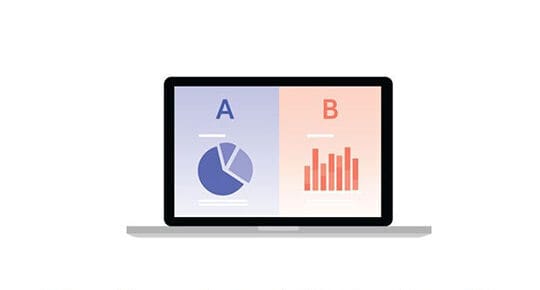
- Conduct A/B testing on emails, ads, and website elements to identify winning variants. Niteco used this approach with Electrolux by testing subject lines, email designs, and send times.
- Use tools like Optimizely for A/B testing and personalization. These tools let you compare variations side by side.
- Try different ad creatives, targeting options, and messaging strategies to boost conversions. Testing reveals which approaches connect best with your audience.
- Refine marketing automation workflows based on test outcomes. This improves efficiency and reduces lead close rate costs.
- Monitor metrics such as customer lifetime value (CLV), cost per lead (CPL), and ROI during tests to clearly measure success.
- Track server-side tracking setups like the Meta Conversions API for dependable insights into campaign performance across channels.
6. Repurpose High-Performing Content
Find your top-performing content by reviewing your marketing metrics. Use a robust CMS such as Contentful to organize and tag these assets for repurposing. Transform blog posts into engaging videos or infographics to reach broader audiences.
Create eBooks or webinars from in-depth guides to increase content volume while reinforcing your seo strategy.
Share repurposed materials on various platforms to steady their impact. Organize the content to fit different audience segments without losing message clarity. This method saves time and raises ROI, especially for evergreen topics that stay relevant over time.
7. Improve Website Performance
Your website’s performance directly affects your marketing ROI. A fast, efficient, and user-friendly site builds conversions and strengthens customer retention.
- Reduce page load times to lower bounce rates. Use tools like Google PageSpeed Insights or GTmetrix to check and improve speed on both desktop and mobile.
- Ensure mobile responsiveness on all devices. Responsive design improves SEO and the user experience.
- Fix technical SEO issues using Screaming Frog SEO Spider. Address broken links, duplicate content, or slow scripts that affect visibility.
- Employ Hotjar to study user behavior. Heatmaps and session recordings reveal where users struggle.
- Implement server-side tracking with Stape for more accurate data. This lessens dependence on browser cookies, which are affected by privacy updates or ad blockers.
- Integrate GA4 to follow cross-platform behavior effectively. This shows how users move through your marketing funnel and reveals weak links.
- Simplify navigation to hold visitor attention longer. Clear layouts help users act without confusion.
- Utilize Looker Studio for clear performance visualization. Present key metrics like load time, bounce rates, or click-through rates in an easy format.
- Add custom tracking with Google Tag Manager without coding skills. Set specific tags to monitor engagement on key pages or campaigns.
- Reduce image sizes while maintaining high quality to improve loading speed. Compress files using TinyPNG or ImageOptim before uploading them.
8. Track the Right Metrics
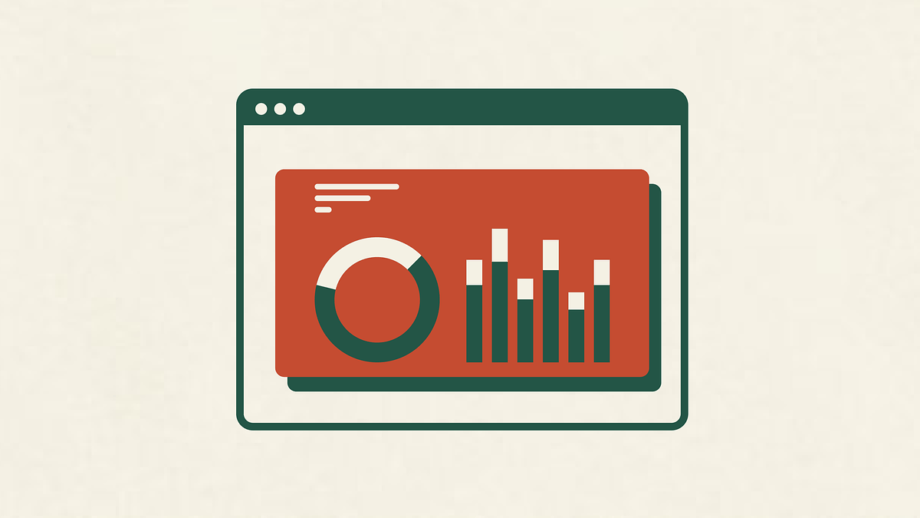
Maximize your online marketing ROI by tracking the right metrics. This method shows what works and what needs improvement. Examine both financial and non-financial metrics to get a full picture of your campaign’s performance. The table below details key metrics to monitor:
| Metric | Description | Why It Matters |
| Conversion Rate | The percentage of visitors who take a desired action. | Shows how well your website or ad campaigns convert leads into customers. |
| Cost Per Acquisition (CPA) | Total cost to acquire a customer. | Keeps track of spending for new customers. |
| Customer Lifetime Value (CLV) | Total revenue a customer generates during their relationship with you. | Highlights long-term profitability. |
| Return on Ad Spend (ROAS) | Revenue generated for every dollar spent on ads. | Measures ad campaign efficiency. |
| Email Marketing ROI | The return on investment from email campaigns. | Email campaigns yield $36 for every $1 spent, making this metric essential. |
| Cost Per Lead (CPL) | The average cost to generate one lead. | Assesses lead generation efficiency. |
| Website Bounce Rate | The percentage of visitors who leave without interacting with your site. | High rates may signal poor user experience or mismatched traffic. |
| SEO ROI | Revenue from organic search efforts. | Seo efforts typically yield a 22:1 return, making it a key focus. |
| Brand Awareness Metrics | Non-financial metrics like social media impressions or reach. | Crucial for long-term customer relationships. |
Use tools like Google Analytics, HubSpot, or dynamic dashboards that display real-time data to track these metrics. Advanced multi-touch attribution models help refine your tracking with deeper insights into campaign performance. Measure results, study trends, and adjust strategies based on data. This focus ensures efforts remain data-driven and effective.
Conclusion

Improving your online marketing ROI requires clear goals, effective use of data, and smart tools. You can refine campaigns by using automation, personalization, and A/B testing to lift outcomes. Strategies such as seo and content marketing provide more value when optimized correctly. Tracking metrics like CAC or ROAS helps you identify adjustments to drive growth. Start with small steps. Maintain steady practices. See progress over time!


