Meta CEO Mark Zuckerberg Under Scrutiny
Meta’s ongoing layoffs encountered a legal hurdle as a US district judge dismissed efforts to prevent the company’s planned workforce reductions scheduled for July 22.
Despite claims from 26 employees alleging that the corporation employed AI-driven mechanisms to disproportionately target individuals with disabilities or those on medical leave, US District Judge William Orrick’s ruling in Oakland, California, concluded that the plaintiffs did not sufficiently demonstrate the “irreparable harm” required for an emergency injunction.
A Reuters report indicates that this lawsuit represents a pioneering legal challenge in the United States against a substantial entity for purportedly harnessing artificial intelligence to select employees for layoffs.
While the judge did not grant the urgent request, he acknowledged the case raised “serious questions” about Meta’s practices and hinted that a reevaluation could occur should new evidence regarding the use of AI in their layoff procedures surface.
Allegations Regarding AI-Driven Layoff Practices
The plaintiffs, who remain anonymous, encompass a variety of roles at Meta, including engineers, researchers, and managerial staff.
They assert that the company employed internal AI frameworks, particularly a sophisticated language model dubbed “Metamate” alongside productivity-tracking instruments, to assess and rank employees for termination.
According to their legal submissions, these technologies monitored communications, documentation, and keystroke activity but did not accommodate legally protected leaves, thereby adversely affecting productivity assessments for those who took necessary medical or family leave.
Meta, which publicly declared in May its intention to eliminate roughly 8,000 roles as part of a broader strategy to enhance AI investments, has refuted any misconduct.
The company contends that all layoff decisions were ultimately made by human supervisors and not automated platforms.
Furthermore, Meta’s legal team argued that the damages referenced by the plaintiffs, such as the loss of employer-sponsored health insurance, are typical issues that could be resolved through future private arbitration.
Significance of the Ongoing Legal Proceedings
This case underscores widespread apprehensions concerning the convergence of artificial intelligence and employment regulations.
Numerous employees in major tech firms are bound by arbitration clauses, mandating individual dispute resolutions instead of class-action litigations.
Although these agreements frequently possess provisions for urgent legal recourse, such clauses have seldom been scrutinized in the context of substantial workforce reductions.
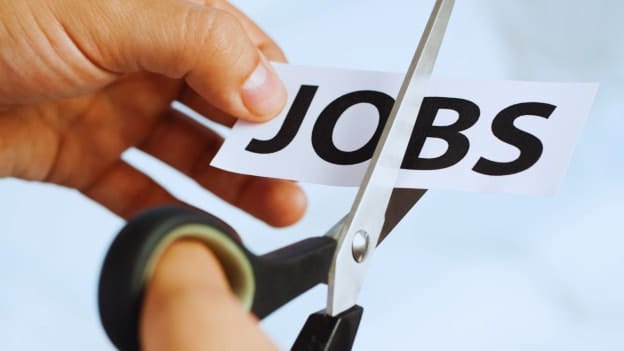
As it stands, the layoffs are poised to proceed with numerous employees facing termination on July 22.
Although the judge’s ruling marks a setback for the plaintiffs, their legal representatives remain hopeful that forthcoming evidence might lead the court to reconsider the implications of AI in the company’s workforce reconfiguration.
Source link: Latestly.com.