Apple’s upcoming flagship series is gradually crystallizing, with the iPhone 18 Pro Max anticipated to lead a more curated autumn release that could elevate the company’s most expensive variants into the spotlight this September.
Although the device remains officially unannounced, insider information and industry analysis now suggest a customary launch timeframe, an upgraded A20 Pro chip, alterations in camera technology, and a potential reconfiguration of Apple’s iPhone rollout sequence.
Apple’s 2026 iPhone Strategy Takes a New Direction
The most pronounced shift surrounding Apple’s forthcoming flagship is not merely the internal specifications, but rather the method in which the company intends to market its broader portfolio.
The iPhone 18 Pro and Pro Max are largely projected to debut during the company’s traditional September unveiling, whereas the standard iPhone 18, along with an economical variant, might be relegated to a spring 2027 introduction.
This shift would represent a significant departure from Apple’s historical norm of revealing most major iPhone models collectively in the fall.
Moreover, it would restrict consumers who typically upgrade in September to a narrower selection of budget-friendly options at launch.
In practical terms, those looking to purchase a 2026 iPhone during the holiday season may find themselves gravitating toward the Pro tier, the Pro Max, or perhaps Apple’s inaugural foldable iPhone, should it meet its projected timeline.
Apple has yet to affirm the timeline, nomenclature, pricing, or specifications. The current understanding rests upon component dynamics, analyst prognostications, and persistent supply-chain insights, all of which remain subject to modification prior to mass production confirmation.
A20 Pro Chip: A Significant Internal Transformation
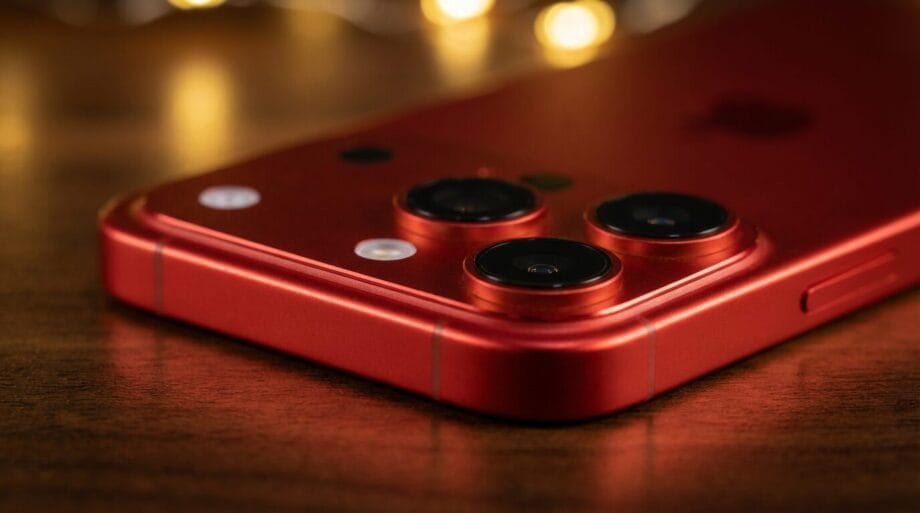
The iPhone 18 Pro Max is poised to incorporate Apple’s next-generation high-performance mobile processor, tentatively dubbed A20 Pro.
This substantial enhancement is expected to leverage a cutting-edge 2-nanometer manufacturing process, an evolution from the 3-nanometer chips utilized in recent premium iPhone offerings.
A reduced manufacturing process permits the inclusion of a greater number of transistors within the same chip dimensions, thereby boosting performance, efficiency, or both.
For the end-user, this could translate into noticeably enhanced battery longevity, accelerated gaming performance, optimized camera processing, and increased capacity for on-device artificial intelligence applications.
The imperative for a superior chip is accentuated by Apple’s obligation to showcase tangible advancements in AI, especially as competitors have rapidly integrated generative features into their promotional narratives.
An optimized processor could allow Apple to execute sophisticated features locally, diminishing dependence on cloud computing for certain functionalities while conserving battery life.
Camera Upgrades Focused on Mastery, Not Just Megapixels
A highly anticipated camera modification involves the introduction of a variable aperture system for the primary rear camera.
Should this feature make it to the final product, it would mark a first for Apple’s iPhone series, providing enhanced physical control over the amount of light that reaches the sensor.
A broader aperture can aid in dimly lit environments, while a narrower setting can enhance performance in brilliantly illuminated settings and refine depth of field control.
This would empower photographers with greater command over background blurring and exposure, enhancing capabilities traditionally managed by software alone.
The Pro Max variant is also expected to continue serving as Apple’s exemplar for battery longevity, camera stability, and superior display technology.
Nonetheless, the anticipated camera enhancements seem more evolutionary than revolutionary, aligning with Apple’s recent strategy of merging hardware upgrades with computational photography and video capabilities rather than solely spotlighting sensor innovations.
Display Speculations Hint at a Reduced Dynamic Island
One prominent design consideration is whether Apple will opt to decrease the size of the Dynamic Island.
Earlier discussions suggested a more assertive shift toward under-display Face ID technology; however, the prevailing expectation is now for a smaller cutout rather than a completely uninterrupted display.

This distinction carries significance. A minimized Dynamic Island would still impart a refreshed aesthetic, yet it would not fulfill the long-desired all-screen redesign many customers have envisioned for years.
The front-facing camera will likely still necessitate a visible opening, while some Face ID components may transition beneath the display if Apple’s production benchmarks are met.
Color speculations have also surfaced, hinting at a revised Pro color palette featuring deeper reds or purples, silver, gray, and a more subdued blue.
These details are yet to be verified and may fluctuate as the development process advances, particularly since accessory components and testing elements often diverge from Apple’s finalized designs.
Pricing Dynamics Could Influence Consumer Reaction
The Pro Max has already become one of Apple’s priciest mainstream offerings, and the 2026 iteration may encounter heightened pricing pressures from multiple fronts.
New chip technologies, intricate camera hardware, and a revised launch strategy could all contribute to an even greater premium feel for the flagship iPhone.
In addition, a separate foldable iPhone, also expected within the September timeframe, could further extend Apple’s premium pricing spectrum.
This novel device is generally anticipated to command a price substantially exceeding that of conventional iPhones, potentially allowing Apple to retain the Pro Max as the established luxury option while aiming the highest price point at a new form factor.
For consumers, the pivotal question will be whether the enhancements appear substantial enough to warrant another premium investment cycle.
An expedited chip and enhanced camera functionalities may resonate strongly with power users, creators, and individuals prolonging their use of older devices.
Meanwhile, recent Pro Max owners may require more than a mere reduction in cutout size and performance advancements to perceive a compelling incentive to upgrade.
Key Developments to Monitor Ahead of September
The forthcoming major indicators will emerge from production activities throughout the summer months, including display orders, camera module ramp-ups, and leaks from accessory manufacturers.
By late August, Apple’s definitive hardware direction typically becomes more evident, although the company maintains a veil of secrecy regarding official specifics until its launch event.
Currently, the iPhone 18 Pro Max appears less as a radical overhaul and more as a deliberate premium enhancement: faster silicon, advanced camera systems, modest design modifications, and a launch strategy that may position Apple’s autumn lineup further toward the high-end market.
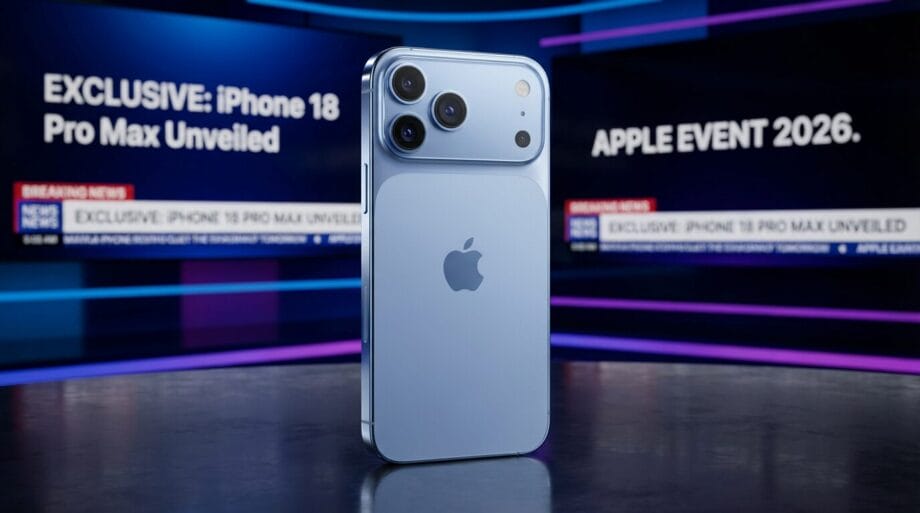
The most pressing unresolved inquiry remains whether this offering will resonate as genuine progress with everyday consumers or serve primarily as a refinement targeted at Apple’s most devoted premium clientele.
Source link: Mogazmasr.com.