Apple’s Ambitious Production Goals for the iPhone Ultra
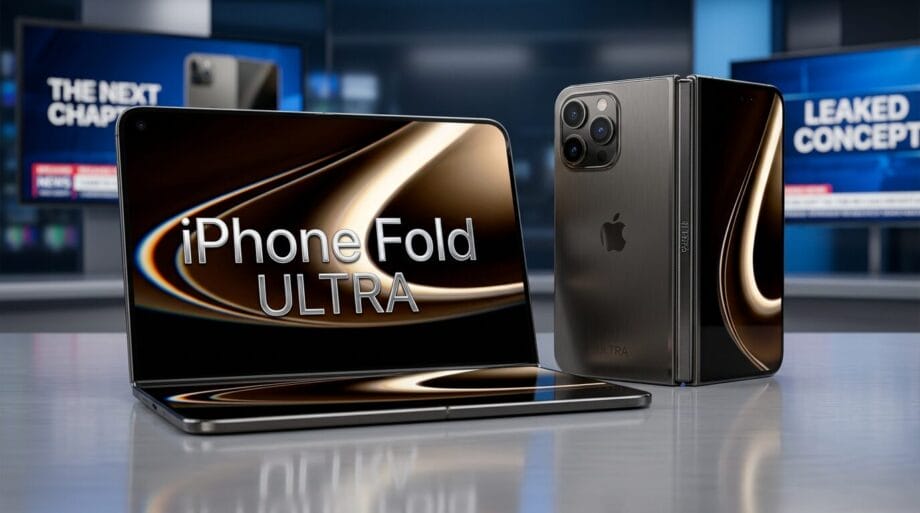
Apple has elevated its internal production targets for the anticipated book-style folding iPhone Ultra to an impressive 10 million units.
Priced at a premium of $2,500, this device marks a significant gamble for the tech giant as it ventures into the foldable segment after years of circumspect evaluation.
Adopting a nomenclature consistent with its Pro Max series, the Ultra is emblematic of Apple’s flagship offerings.
The bold production forecast implies that the company anticipates robust demand, undeterred by the steep price tag, or it may be gearing up for an extended product lifespan, diverging from typical cyclical releases.
Design and Form Factor
In contrast to Samsung’s flip-style Z Fold, Apple’s innovative design resembles the opening of a book. This form factor is designed for those desiring a tablet-sized experience that remains pocket-friendly.
Preliminary engineering insights indicate the device will uphold the flat edges and meticulous craftsmanship for which Apple is renowned, though the issue of visible creasing in foldable displays persists under bright lighting conditions.
The projection of 10 million units is noteworthy. For comparison, Apple’s annual sales typically reach into the hundreds of millions for standard iPhones.
The foldable segment remains niche, even for Samsung, which markets a fraction of the Z Folds relative to its standard Galaxy phones.
Apple’s assurance in this venture suggests it may have addressed key durability and usability hurdles hindering broader foldable adoption.
Pricing and Market Positioning
Priced at $2,500, the iPhone Ultra commands a premium exceeding that of most laptops, positioned significantly above the iPhone 17 Pro Max, which starts at approximately $1,200.
This pricing structure reflects both the advanced materials essential for foldable technology and Apple’s capacity to command a premium for its innovations.
Primary consumers are expected to be early adopters and professionals engaged in media endeavors.
Notably, Apple has yet to unveil a foldable device, a strategic choice made to allow screen technology to mature and for competitors to resolve glaring deficiencies.
The market appears primed for entry. The critical inquiry remains whether Apple can produce sufficient units devoid of substantial defect rates, a challenge that previously afflicted Samsung’s initial Z Fold iterations.
When to Expect It
Typically, foldable phones debut during late spring or summer months. The ambitious target of 10 million units suggests that Apple is envisaging a launch around mid-to-late 2026, allowing ample time for production scaling and final design adjustments.
The unveiling is likely to occur at a distinct event, separate from standard iPhone announcements.
This endeavor transcends the Ultra alone. Apple’s foray into foldables legitimizes the category as a viable product rather than a fleeting gimmick.
This may galvanize rival manufacturers to enhance their designs, while app developers will be prompted to cater to tablet-sized screen formats. Although the $2,500 price point is steep, it is unlikely to remain static indefinitely.
Source link: Inews.zoombangla.com.