- A warning has been issued to iPhone users amid a surge of scams, particularly those exploiting the Apple Pay platform.
- Apple has provided a comprehensive list of indicators that iPhone users should watch for to identify and evade fraudulent schemes.
- Additionally, security advisories have been disseminated, offering guidance on how to confront scammers attempting to mislead unwary users.
Apple Inc., the venerable American technology titan, has raised alarms regarding the duplicitous actions of scammers targeting its iPhone clientele.
The firm is particularly apprehensive about the burgeoning Apple Pay system—launched in 2014—which has become an attractive target for nefarious actors. Apple alerts iPhone users to the ingenuity of scammers. Photo credit: Andrii Iemelyanenko, Nico De Pasquale Photography/Getty Images
A single lapse in vigilance can precipitate unauthorized transactions, allowing criminals to surreptitiously access and drain user accounts.
Mechanisms of the Scam
Apple recommends that users remain astute in recognizing dubious text messages purporting to originate from the company.
The deceptive modus operandi often begins with claims of unauthorized activity on the victim’s Apple Pay account, compelling them to call a specified number for resolution.
Unwary individuals, unaware of the ruse, engage with these impostors feigning professionalism—often masquerading as Apple Support representatives, law enforcement officials, or bank agents.
Once engaged, the scammer persuades the victims to divulge sensitive credentials, including passwords and two-factor authentication codes, or to transfer funds.
The consequences can be swift and chilling, with assiduous criminals absconding with funds from their victims’ Apple Pay accounts, leaving them in a state of dismay. Apple disseminates essential information regarding the scams targeting its users. Photo credit: Evgeniia Siiankovskaia/Getty Images
Apple’s Advisory to Users
In its commitment to safeguarding users, Apple elucidated critical warning signs to be heeded.
The tech giant clarifies that it will never initiate calls or texts concerning account complications, Apple Pay charges, or security alerts.
Furthermore, Apple categorically does not provide specific phone numbers to call, nor does it solicit personal information, such as passwords or codes, or redirect users to external websites or applications.
Hence, iPhone users are advised to scrutinize any suspicious messages related to Apple with circumspection.
They are encouraged to authenticate matters exclusively through the official Apple Support app or website and to refrain from sharing sensitive information via phone or engaging with links within texts.
Moreover, users should remain vigilant against phishing attempts designed to ensnare them into divulging personal data.
Stolen iPhone Incident
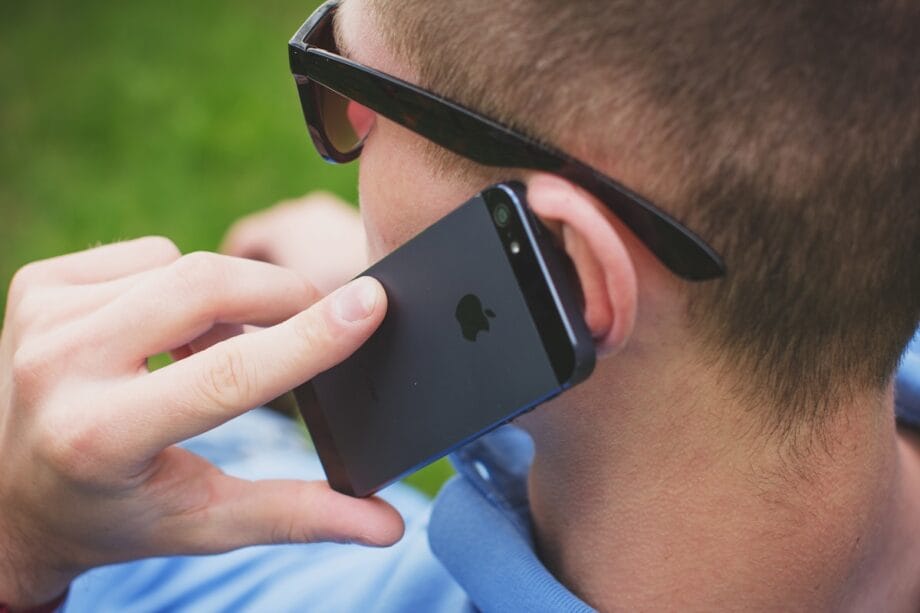
In a related report, a young man, colloquially termed a “kwashey boy” (pickpocket), was apprehended while attempting to peddle a stolen iPhone 11 for GH¢700.
This device, valued above GH¢9,000, bore a lady’s photograph as its screensaver and contained an active SIM card, provoking immediate suspicion.
The young man approached a prospective buyer, confidently asserting ownership of the device.
However, the vigilant buyer warned the suspect of imminent consequences and urged the rightful owner to assert her claim and reclaim her property.
Source link: Yen.com.gh.