Quick Summary
Building a patient engagement app requires more than standard mobile app development – it demands a healthcare-focused approach that balances user experience, regulatory compliance, security, and interoperability. Essential features include appointment scheduling, secure messaging, telemedicine, EHR integration, medication reminders, wearable device connectivity, patient education resources, and billing management.
Popular tech stacks include React Native or Flutter for mobile development, Node.js or Python for the backend, PostgreSQL or MySQL databases, and cloud platforms such as AWS, Google Cloud, or Azure, all supported by HIPAA-compliant security measures. Development typically takes several months and can cost anywhere from $30,000 for a basic MVP to over $250,000 for a fully featured enterprise solution.
Success depends on strong compliance practices, seamless EHR integration, and partnering with an experienced healthcare app development team. When executed correctly, patient engagement apps improve patient outcomes, increase satisfaction, reduce operational costs, and strengthen provider-patient relationships.
Introduction
Consumers are demanding the same level of digital sophistication from their healthcare providers as they experience when dealing with banks or other favorite retailers. They expect to be able to schedule an appointment, view their lab test results online, and send a message to the doctor, all without playing telephone tag.
This is where patient engagement apps come into play – not as an optional choice but as a business imperative.
Designing such an app, however, is more complicated than developing a typical mobile application. The field of healthcare has its own particular challenges and demands.
If you’re about to launch a patient engagement app – whether you’re a hospital manager, a startup founder, or a healthcare technology specialist – we provide a comprehensive overview of what you need to consider: key features, technologies, realistic pricing, and practical steps to achieve success.
What a Patient Engagement App Actually Does
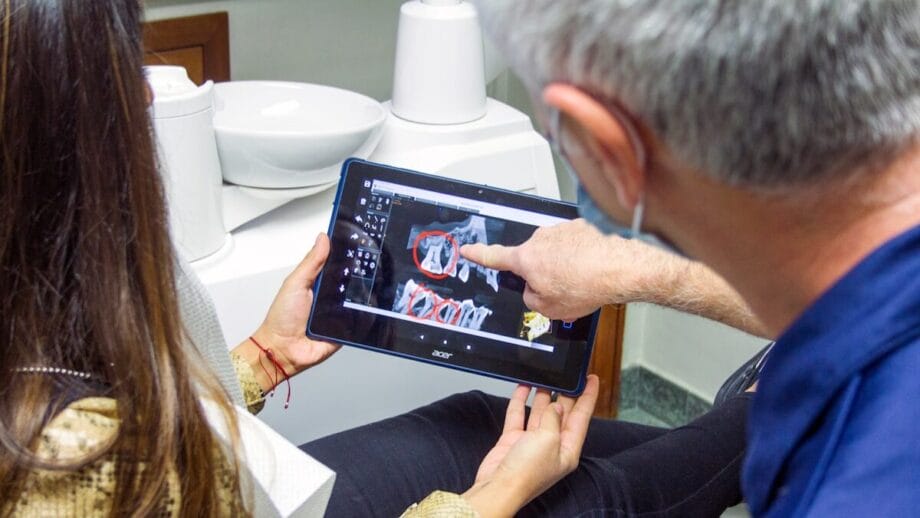
In starting your development process, you may want to establish parameters. A patient engagement app is a technological tool that facilitates patient engagement at any point in their medical experience, from scheduling appointments to monitoring health information.
Essentially, it’s an application that connects the clinical environment with the outside world, keeping patients engaged with their health information and healthcare providers without having to come to the office each time.
However, when used properly, these tools offer many benefits, including remote triaging, which reduces no-shows, improves medication compliance, reduces readmissions, and achieves high satisfaction scores. When done improperly, they are merely software that will be forgotten after download.
Essential Features that Make or Break the Experience
It is the features you provide in your application that will ensure it is used or uninstalled after just one use. Below are some must-haves for the best patient engagement experiences out there today:
- Appointment Scheduling and Reminder Functionality: Real-time appointment scheduling, cancellations, rescheduling, as well as appointment reminders through push notifications, text messages, or emails. One such feature can drastically lower the number of no-shows!
- Secure Messaging: A HIPAA-compliant communication platform that will allow for patient queries about follow-up information, symptoms, or even refill prescriptions without requiring a call center intermediary.
- Telemedicine / Video Consulting: Telemedicine has become an essential part of patient engagement, and your application should integrate with a reliable telemedicine video SDK.
- EHR Integration: EHR integration provides patients with complete access to their medical records, making patient engagement software essential for better healthcare decisions and a key development priority.
- Medication Management and Alerts: Automatic notifications for dosage schedules, refill reminders, and medication reminders can help ensure patient adherence, especially for chronic disease management.
- Health Monitoring & Integration with Wearables: Integration with devices such as an Apple Watch, Fitbit, or a continuous glucose monitor enables remote monitoring of the patient’s vital signs, enabling more proactive intervention. The technology revolutionizing patient triaging and chronic disease management in contemporary medicine is remote patient monitoring.
- Educational Hub for Patients: This hub includes specific educational materials on the illness, post-surgery instructions, healthy lifestyle recommendations, and video demonstrations.
- Billing and Insurance Management: Clear pricing information, invoices, and claims for insurance companies minimize misunderstandings about billing, a leading source of patient complaints.
Tech Stack: What Fuels a Scalable, Safe App?
It’s not just about the technology’s performance; it will also directly affect compliance, scalability, and overall maintenance costs.
Frontend (Mobile)
- React Native or Flutter for building iOS/Android apps.
- Swift (native to iOS) or Kotlin (native to Android) for highest performance needs.
Backend
- Node.js or Python (Django / FastAPI) for API development.
- RESTful or GraphQL APIs for easy data fetching.
Database
- PostgreSQL or MySQL for storing patients’ information.
- MongoDB for storing unstructured data (e.g., notes, documentation).
Cloud Infrastructure
- Amazon Web Services (with a HIPAA-compliant BAA agreement), Google Cloud Healthcare API, or Microsoft Azure Health Data Services.
- All three cloud infrastructure services listed above can provide FHIR-compliant data storage, which ensures interoperability.
Security & Compliance Layer
- End-to-end encryption (AES-256).
- Authentication through OAuth 2.0.
- Access Control using Role-Based Access Control (RBAC).
- Compliance with all HIPAA and GDPR requirements for EU residents.
Integrations
- EHR interoperability through HL7 FHIR.
- SMS & video services: Twilio, Vonage.
- Payment Gateway – Stripe or PayPal.
- Apple HealthKit, Google Fit for fitness trackers.

Development Timeline: From Idea to Deployment
Partnering with a health care app development company cannot be overstated. The intricacies of regulation alone (HIPAA, HITECH, FDA for certain app types) require knowledge that a broad-spectrum agency would not have.
Below is a tried-and-tested approach to development:
Phase 1 – Discovery and Regulatory Compliance Scope (2-4 weeks)
Establish user profiles (patients, healthcare professionals, and administrative personnel), identify key workflows, and define regulatory compliance requirements by geographic region and app features.
Phase 2 – User Experience/User Interface Design (3-5 weeks)
It goes without saying that patient-oriented applications thrive on their ease of use. Accessibility standards (WCAG 2.1), legible font size, user-friendly navigation, and frictionless flow in critical processes (such as scheduling and messaging) are crucial.
Phase 3 – Backend Architecture & API Development (6-10 weeks)
Construct the backend architecture, including database design, APIs, authentication processes, an EHR connection interface, and cloud computing implementation.
Phase 4 – Frontend Development (6-10 weeks)
Develop the mobile application concurrently with the back end during Phase 4, wherever possible, to save time.
Phase 5 – Integration & Quality Assurance Testing (4-6 weeks)
Penetration tests for security, HIPAA audits, stress tests, and quality assurance using actual devices on both iOS and Android platforms.
Phase 6 – Deployment & Post-Deployment Optimization
Deploy the mobile application gradually and incorporate feedback mechanisms. Analyze user engagement levels, usage depth, and dropout points.
What Does It Cost to Build a Patient Engagement App?
The costs differ dramatically depending on the app’s complexity, the developer’s location, and additional features. Below is an accurate estimation:
| App Tier | Features Included | Estimated Cost |
| MVP / Basic | Scheduling, messaging, and health records view | $30,000 – $60,000 |
| Mid-Range | + Telehealth, wearable integration, EHR sync | $60,000 – $120,000 |
| Enterprise | Full feature suite + custom EHR, multi-tenant | $120,000 – $250,000+ |
Maintenance costs (security updates, operating system updates, and new features) usually account for 15–20% of total development costs per year.
Among other applications, healthcare mobile apps are among the most profitable ventures for any healthcare company if developed properly.
Regulatory Issues That Are Non-Negotiable
Compliance with HIPAA is non-negotiable; it is your starting point. Your app needs to incorporate:
- Business Associate Agreements with all third parties managing PHI (cloud server providers, video software developers, analytic firms).
- Log auditing for all data-access activities.
- Data minimization by collecting only necessary clinical information.
- Notification procedures for breaches are included in your incident response strategy.
If your app uses artificial intelligence algorithms to make medical predictions or assess risks, you will need to consider the FDA’s guidelines on software as a Medical Device (SaMD).
How the EHR and SMS Combination Makes Everything Better
There’s another feature that has a huge impact but isn’t always appreciated – the ability to combine EHR and SMS with remote monitoring. By integrating EHRs with SMS and remote patient monitoring, clinicians will receive reminders tailored to their specific clinical situations. They can have messages about abnormal results, follow-up after discharge, or even about patients missing the window for taking some drugs.
This kind of contextual communication is what makes an application more than a mere appointment-scheduling tool.
The Big Picture: Importance Today
The development of healthcare mobile applications over the last 10 years has created new expectations for patients. The former luxury item is now not just an added advantage but a mark of quality care.
Patients who participate in their own healthcare plans demonstrate improved outcomes: better medication adherence, fewer accidental emergency room visits, and stronger connections with their caregivers. Such qualities help healthcare organizations improve their quality ratings, cut costs, and retain more patients.
Before You Begin: The Fast Decision-Making List
- Did you specify your target patient, provider, or both?
- Are you ready with your EHR integration strategy?
- Do you know the HIPAA-friendly cloud provider?
- Does your developer understand healthcare regulations?
- Are you prepared for post-launch improvements?
Selecting a Suitable Development Partner
Many organizations fail at this step, and it should be noted that experience developing consumer applications does not necessarily mean an organization has all the experience required to develop healthcare applications.
You should search for a partner with extensive experience in healthcare product development, including proficiency with FHIR, and a proven track record of implementing a healthcare application that meets all requirements. The right healthcare app development company will ask hard questions early – about data flows, compliance scope, and user research – rather than jumping straight to wireframes.
Final Thoughts

Developing a patient engagement app is certainly among the most important, if not the most difficult, tasks in the realm of digital health technology. Not only does the technical expertise necessary to accomplish such an endeavor present a considerable challenge, but the ramifications of doing things incorrectly have very real regulatory consequences.
However, a lot is riding on getting this process right. When the patient experience is truly taken into consideration and the development process involves a clinical and technical expert, more than just an app can be accomplished – a positive shift in the overall patient experience can occur.