Quick Summary:
US electronics manufacturers face rising labor shortages and mounting pressure to modernize. Automation, AI, and connected systems now define competitive manufacturing. Five key tools – MES, PLM, ERP, SCM, and QMS – form the core of a smart production ecosystem, enabling real-time visibility, predictive maintenance, resilient supply chains, and zero-defect output. Integrating these platforms through standards like IPC-CFX eliminates data silos, strengthens operational efficiency, and supports Industry 5.0 transformation.
Introduction
Electronics manufacturers in the US face challenges that data sheets and quarterly reports do not fully show. Faster components alone do not solve issues when skilled workers are scarce.
The Deloitte and the Manufacturing Institute study estimates a gap of 1.9 million unfilled manufacturing jobs by 2033. That number makes me lose sleep sometimes, as it signals that hiring alone cannot fix efficiency problems.
Automation becomes the key solution. The CHIPS Act spurs over 300 new facility announcements. Domestic pressure to modernize grows steadily, not from foreign rivals but from home. Factories that use smart technologies like cloud-native platforms, digital twins, and AI-driven maintenance scale up even during a workforce crunch.
One striking fact from recent McKinsey data shows that early adopters of AI-enabled supply chain management cut logistics costs by 15% and improved inventory levels by 35%. These gains help protect margins against rising material costs.
This article explains the five specific technologies that form the backbone of a modern US electronics plant. I skip generic advice and focus on tools like IPC-CFX standards and modular MES platforms that solve shop floor challenges.
1. Manufacturing Execution System (MES): The Digital Backbone of the Factory
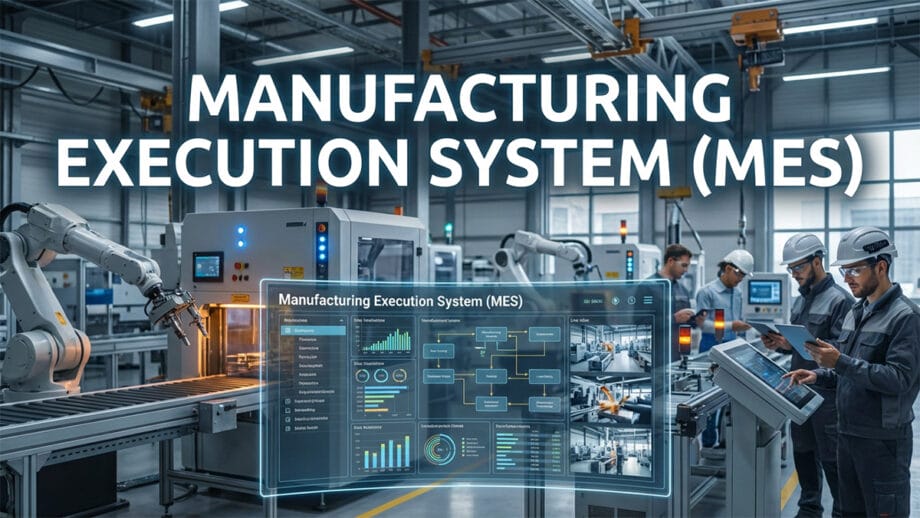
If the ERP acts as the brain of a business, the MES functions as its central nervous system. Modern MES platforms like Plex Smart Manufacturing and Rockwell Automation’s FactoryTalk do more than record data – they guide operators on the floor.
These systems capture real-time production data from every station.
Modern MES platforms interface directly with smart sensors and programmable logic controllers (PLCs). Instead of waiting for a shift report to spot an issue, the system raises an alert as soon as it detects a temperature deviation. This prompt response prevents costly errors later in production.
MES Capabilities Comparison:
| Feature | Traditional Legacy MES | Modern Smart MES (2025) |
| Data Latency | Shift-end batch reporting | Real-time, millisecond updates |
| Customization | Requires expensive coding | Low-code/No-code drag-and-drop apps |
| Hardware | On-premise servers | Cloud-based & Edge accessible |
| Compliance | Manual paper travelers | Automated “Electronic Device History Records” (eDHR) |
Factory managers gain remote visibility into global supply chains. One can check OEE (Overall Equipment Effectiveness) scores from a tablet in Detroit to monitor a plant in Austin. This connection standardizes processes and minimizes reliance on undocumented procedures.
2. Product Lifecycle Management (PLM): Managing Complexity with Precision
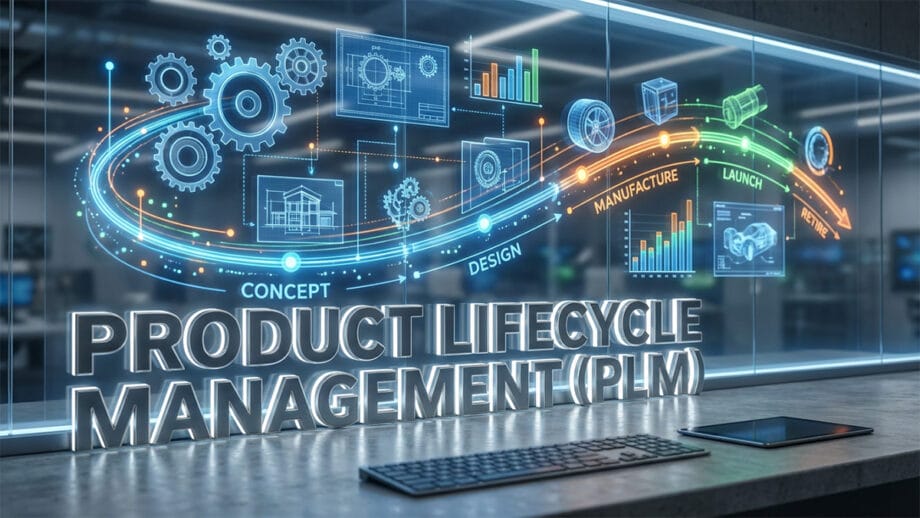
Centralized engineering data anchors precision in electronics production. In the past, R&D and manufacturing operated in separate silos.
Today, PLM platforms like PTC Windchill and Siemens Teamcenter bridge that gap by allowing teams to share bills of materials (BOMs), CAD drawings, and test plans instantly. For electronics, synchronizing with ECAD tools such as Altium or Cadence remains critical.
PTC Windchill excels with its web-based design, which lets suppliers view secure data without a full seat license.
In 2025, advanced PLM systems employ artificial intelligence to flag potential supply chain risks during the design phase. Picture an engineer selecting a capacitor while the system alerts that the part is marked “End of Life” or suffers from an extended lead time.
“The most successful digital threads do more than store data; they push vital information where it is needed. A change in the CAD model triggers an immediate update in work instructions on the shop floor.”
Leading firms adopt sustainability frameworks that track compliance with global standards such as RoHS. Modern PLM ensures every change remains traceable while supporting zero-defect goals.
3. Enterprise Resource Planning (ERP): Streamlining Business and Production Operations

The ERP system handles the financial side of operations. A custom ERP integrates inventory management, procurement, and supplier control. For electronics manufacturers, the decision often balances speed with depth.
Innovative integration now links “Material Requirements Planning” (MRP) directly with live shop floor data. ERP platforms use inputs from smart sensors to trigger automatic re-orders, which improves operational efficiency considerably.
This setup means holding only the inventory necessary for production, rather than excess safety stock.
Choosing the Right ERP for Electronics:
- The Mid-Market Agile Choice: Oracle NetSuite fits companies that need speed, have limited IT resources, and use a single cloud suite for financials and inventory.
- The Global Enterprise Choice: SAP S/4HANA serves multinational corporations that handle deep localization and complex inter-company transactions.
- The “Shop Floor First” Choice: Epicor Kinetic meets manufacturers who require an ERP built to address production management rather than solely accounting.
4. Supply Chain Management (SCM): Ensuring Traceability and Reliability
Modern supply chain management in electronics production leans on smart technologies such as the industrial internet of things (IIoT), advanced data analytics, and blockchain to guarantee traceability.
It is not enough to know the location of a shipment; assessing the risk profile of sub-tier suppliers is essential.
American companies reinforced their supply chains after 2020 by shifting focus from pure efficiency to greater resilience. The COVID-19 pandemic exposed operational vulnerabilities, and the CHIPS Act deepened the spotlight on domestic transparency.
Predictive demand planning now uses machine learning to spot risks before shortages occur. Platforms like Blue Yonder employ artificial intelligence to forecast disruptions triggered by weather, labor issues, or geopolitical shifts.
Cloud-based systems connect supplier deliveries to factory needs, while advanced data analytics pinpoint delays.
5. Quality Management System (QMS): Guaranteeing Zero-Defect Manufacturing
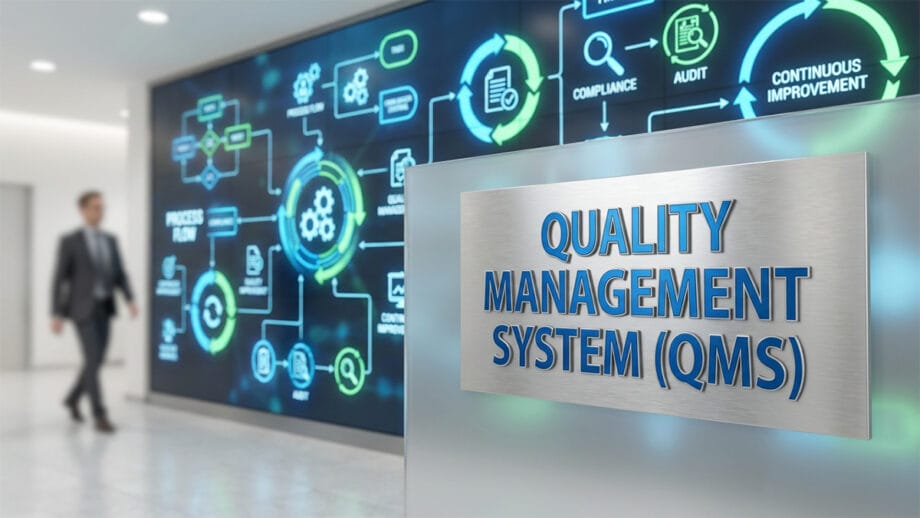
Automated testing and inspection workflows transform quality control in electronics manufacturing. Spreadsheets can no longer manage quality when audits grow too complex.
Specialized QMS platforms like MasterControl or Greenlight Guru meet FDA and ISO compliance needs by automating CAPA (Corrective and Preventive Action).
Predictive maintenance driven by advanced data analytics allows manufacturers to schedule repairs on wire strippers, probes, or reflow ovens before equipment failures disrupt production.
If a wave soldering machine shows a drift in thermal profile, the QMS signals a need for calibration to reduce the risk of cold solder joints. Non-conformance tracking tools capture deviations from standards in computer-aided processes.
The hidden costs of poor quality include:
- Rework Labor: Skilled technicians spend time fixing boards instead of creating new ones.
- Scrap Material: Direct costs increase when components cannot be salvaged.
- Warranty Claims: Processing returns and managing brand reputation suffer when defects occur.
- Compliance Fines: Failing audits like ISO 9001 or medical device standards (ISO 13485) can result in penalties.
Wearable devices now alert operators immediately if an assembly step is missed during complex routines. This method employs zero-defect strategies that combine product checks with continuous process reviews.
Integrating All Components into a Unified Smart Production Ecosystem
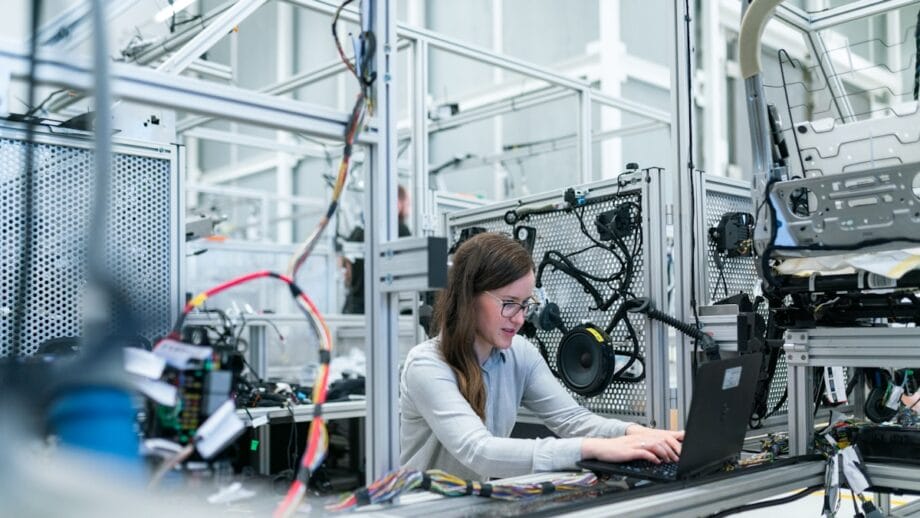
Electronics manufacturers now connect MES, PLM, ERP, SCM, and QMS for seamless data flow across every process. Standards such as IPC-CFX (Connected Factory Exchange) act as a universal connector, enabling machines to communicate without custom coding.
This integration dissolves data silos and delivers a single source of truth for operations. An API-first approach lets advanced technologies work together using real-time data analytics and smart sensors.
“The days of manual data juggling across different screens are gone. Systems now share information directly, driving efficiency.”
Industry 5.0 and digital transformation shape the shift toward predictive maintenance and validated data. Open standards support compatibility with additive manufacturing and virtual reality tools in production.
Cloud services and cybersecurity measures remain vital as interconnected supply chains face increased risks.
FAQs

1. What are the top tools driving digital transformation in smart factories for electronics production?
Digital transformation relies on IIoT platforms like PTC ThingWorx and Siemens Insights Hub. These tools unify factory data into a single dashboard and automate critical processes, which support predictive maintenance and efficient PCB assembly.
2. How does augmented reality enhance supply chain management in electronics manufacturing?
AR solutions streamline manual tasks. Companies like DHL report a 25% increase in efficiency using smart glasses for hands-free guidance. This technology overlays digital schematics onto equipment to help technicians troubleshoot embedded systems or verify connections without paper manuals.
3. Why is additive manufacturing important for building a smart production ecosystem?
Additive manufacturing allows the production of custom ESD-safe fixtures and jigs on demand. It cuts long lead times and reduces risks, ensuring optimal productivity in electronics production.
4. In what ways do artificial intelligence and smart sensors contribute to operational efficiency?
AI algorithms process vast amounts of sensor data to predict equipment failures before they occur. This proactive approach minimizes downtime and automates quality checks across manufacturing operations.
5. Are traditional tools like soldering irons still relevant in a digitally transformed electronics industry?
Traditional tools evolve with technology. For instance, the Ersa i-CON TRACE soldering station now features IoT connectivity that records every joint’s temperature. This evolution marries precise manual control with digital tracking for ideal PCB assembly.
Conclusion

Building a future-ready electronics production setup means choosing modular software that grows with your operations. It matters less which system carries the heft of cost and more that every component communicates effectively. Reviewing existing data silos reveals clear targets for improvement.
Written by an industry analyst with extensive experience in digital transformation and smart factories, the insights here reflect rigorous evaluation of verified reports and real-world applications.


