Quick Summary
In 2026, Shopify conversions are driven by experience, not tactics. Fast load times, mobile-first design, clear visuals, emotional copy, and effortless checkout build trust instantly. Personalization, social proof, honest urgency, and transparency keep shoppers engaged. Use data, videos, AI tools, and loyalty programs to refine continuously. Conversions grow when customers feel understood, confident, and valued – not pressured.
Introduction
Are you mastering customer loyalty in your business? Have you ever thought about why some Shopify stores do so well while others wither away? Same platform. Same features. A site earns revenue while the competitor site gasps for breath. The difference isn’t magic. It’s because the first site optimizes conversion rates. Visitor retention is customer loyalty – a skill.
In 2026, shopping online is ruthless. It’s a skill. You get one bad click, one slow page, one confusing button, and it’s all gone. You lose the customer. It’s not about selling anymore; it’s about building a relationship and making them feel something before they are even aware that they are in the buying process. It’s not a theory. It’s the reality in eCommerce.
So, let’s get to work. Real work. We want to focus on the aspects of your Shopify store that not only make it visually appealing but also help it sell things as well. Because sales do not happen by chance, they happen by intention.
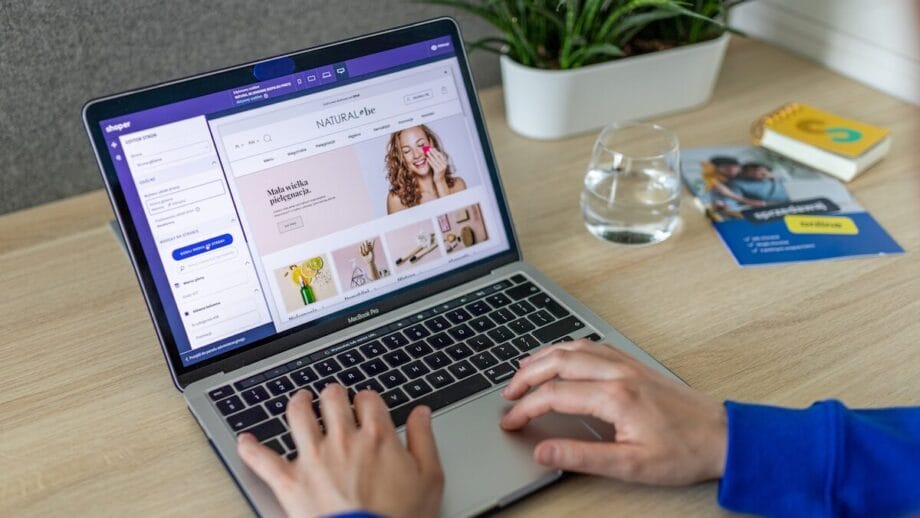
1. First Impressions Decide Everything
You’ve got maybe five seconds. That’s it. Visitors decide if they trust your store or bounce. Sounds harsh, but that’s eCommerce reality.
If your homepage looks messy, they’re gone. Too many pop-ups? Gone. Colors clashing? Gone faster. Please keep it simple. Clean. Professional but warm.
Use large product images. White space. Consistent fonts. Guide the eyes gently – like telling a story without words. Imagine walking into a real shop. Would you stay if the floor’s dirty and the lights flicker? Same logic online.
Your site’s first look tells shoppers who you are. So, tell them clearly – you’re worth staying for.
2. Mobile First – Always
Look around. Everyone’s glued to their phones. Scrolling. Browsing. Buying. Over 70% of sales now happen through mobile.
So, if your store doesn’t fit that screen perfectly, you’re losing big. Buttons too small? Text too tiny? Images not scaling? Please fix it.
Shopify’s mobile themes are good. But not perfect. You’re going to tweak them. Compress images. Remove fancy effects that slow down load times. Test on different screens. And keep your checkout clean, one tap, not ten.
Mobile is the battlefield now. Make sure your store is armed and ready.
3. Speed Isn’t Optional – It’s Survival
Slow sites kill conversions. Period. A one-second delay can cost you 20% of sales. People don’t wait; they bounce.
Run your store through Google PageSpeed Insights. Trim the fat. Delete unused apps. Compress images. Use Shopify’s CDN for faster delivery.
Pick a lightweight theme. Cut down on fancy scripts. Fast feels reliable. Slow feels sketchy. In 2026, speed is trust. Every second matters. Literally everyone.
4. Write Words That Make People Feel
People don’t buy products. They buy emotions. The way you write matters more than the features you show.
Don’t just list specs. Tell stories. Create moments. If you sell candles, don’t say “100% soy wax.” Say, “A soft glow for quiet nights.” Feel the difference?
Write like you’re talking to a friend. Keep it real. No jargon. No fluff. Adding a few customer quotes nearby makes it believable. Words have power. The right ones can sell without shouting.
5. Show, Don’t Tell (Use Videos)
Pictures catch the eye. Videos hold them. A short clip showing your product in action can double conversions. It builds trust fast.
Think about this: would you buy a gadget after reading 200 words or after seeing it work in 10 seconds? Exactly.
You can take cues from tools that help stores add product clips right on their pages. Shopify’s got apps for that, too. Use them. Show close-ups, real people using your stuff, even unboxings. A video says what text can’t, it proves.

6. Personalization is the Game-Changer
One size fits all? Dead. Shoppers want to feel seen. They want a personal touch.
Use Shopify’s AI-based apps. Let them track user behavior, recommend items, and show dynamic offers. Imagine someone browses a jacket. Next time they visit, they see matching boots. Feels like magic, but it’s just smart personalization.
Emails also make them personal. “Hey, Sarah, we saved your cart.” Simple. Warm. Works better than cold automation. In 2026, personalization isn’t a trick; it’s survival.
7. Checkout Should Be Effortless
Nothing hurts like abandoned carts. That pain? Usually from bad checkout design. Too many steps. Hidden costs. No guest option. Please stop it. Simplify. Let them check out in two steps. Keep payment options visible. Add Shop Pay, Apple Pay, Google Pay. Trust badges, too.
And show progress bars, it eases anxiety. People like knowing how close they are to done. The smoother the process, the faster the sale.
8. Social Proof Sells More Than Ads
People trust people. Not ads. That’s why reviews matter so much. Display customer photos, testimonials, and star ratings. Make them visible, not hidden at the bottom. Use real names. Real images.
Even better show “recent purchases” or “customers also bought” pop-ups. That subtle social signal makes buyers confident. In 2026, authenticity beats perfection. Be real. It works.
9. Scarcity, But Be Honest About It
“Only 2 left.” “Sale ends tonight.” These work only when true. Fake urgency feels cheap. Use countdown timers during real promotions. Highlight low stock if it’s genuine. Offer limited-time bundles or flash deals. Scarcity drives emotion. But lies destroy trust. Keep it honest. Keep it smart.
10. Transparency = Trust
People fear what they can’t see. So, show everything. Shipping costs? Be upfront. Return policy? Clear and visible. Privacy terms? Easy to find. These small details matter more than you think.
Add FAQs that actually help. Include contact info, email, and live chat. Customers need reassurance before they pay. In 2026, transparency is the new marketing.
11. Email and Retargeting: The Comeback Tools
Most people won’t buy the first time. Doesn’t mean they’re lost. Retarget them. Smartly. Use emails, gentle ads, or push notifications. Remind them what they left behind. Offer small discounts or free shipping.
Shopify integrates easily with retargeting tools. Automate but personalize. Don’t spam. Think of it like whispering, “Hey, still interested?” Works wonders.
12. Let Data Tell the Truth
You might think you know your customers. Data proves if you’re right. Check Shopify’s analytics often. What pages do people love? Where do they drop off? That’s your goldmine.
A/B test headlines, buttons, and colors. Change, observe, repeat. Sometimes, a single tweak changes everything. Numbers never lie. Listen to them.
13. Upsell Without Annoying
Want to increase revenue fast? Upsell smart. Cross-sell smarter. If someone adds a camera to the cart, show them lenses or tripods. Logical, helpful. Not pushy. Use subtle prompts like “Complete your setup.”
Shopify apps can handle this automatically. Keep it relevant. Keep it helpful. Customers love suggestions that make sense.
14. Chatbots That Feel Human
Customers crave instant answers. They won’t wait for email replies. Add chatbots or live chat. Shopify apps can automate this easily. But make sure your chatbot sounds human. Warm. Natural.
They can help find products, offer discounts, or answer FAQs. In 2026, chatbots aren’t extras; they’re essential.
15. Voice Search: Speak Their Language
Voice shopping is growing fast. People talk to devices more than ever. “Hey Google, find a vegan moisturizer.” Optimize your store for natural speech. Use conversational keywords. Keep titles simple, product descriptions clear. Shopify SEO tools can guide you. This is how you reach buyers who don’t even type anymore.
16. Build Loyalty, Build a Tribe
Repeat customers are your goldmine. Treat them that way. Set up loyalty programs. Points. Rewards. Referral bonuses. Let customers earn small wins every time they shop.
Personal touches help too, birthday discounts, thank-you notes, and early access sales. When they feel valued, they stick.
17. Perfect the Product Page
Each product page is a mini-store. Design it like one. Big, crisp images. Detailed yet simple text. Bullet points for clarity. Add a few emotional lines: “Made for dreamers,” “Built to last.”
Keep “Add to Cart” always visible – no scrolling needed. Include reviews, shipping details, and maybe related products below. SEO? Don’t forget that either. When search engines love your page, customers will find it easier.
18. Sell Where They Scroll
Social media is the new marketplace. Instagram, TikTok, Facebook – they’re not just for scrolling. They’re for shopping.
Connect your Shopify store directly. Add shoppable tags. Post short product clips. Collaborate with influencers.
When your products blend naturally into their feeds, sales follow. It’s about being part of their world, not shouting from outside it
19. Go Global, But Stay Personal
Your next sale might come from halfway around the world. Add multi-currency support. Translate your store. Offer region-based shipping. Use Shopify’s localization tools.
But stay human. Adjust your tone and visuals for each market. Global doesn’t mean generic. It means adaptable.
20. Keep Evolving – Always
Optimization isn’t a one-time task. It’s ongoing. Trends shift. Tools change. Customers expect more every year. Test your pages monthly – update visuals. Rewrite headlines. Check data. Experiment without fear. The stores that win in 2026? They never stop tweaking. Never stop learning.
Conclusion

At the end of it all, conversions aren’t numbers – they’re experiences. A fast store. A human voice. Honest reviews. Clear paths. These build trust. And trust sells.
Shopify gives you the tools. But it’s your design, your story, your empathy that makes them stay. Please keep it simple. Keep it real. Because when customers feel something, they buy. And when they buy once, they return. That’s how real success looks in 2026.


