Apple’s anticipated September unveilings are set to feature a multitude of innovations, including new iterations of the Apple Watch along with advancements in health functionality.
This launch coincides with the rollout of the iPhone 18 series and the much-speculated foldable iPhone. However, the notable omission of a new SE model raises questions regarding the accessibility of its smartwatch offerings.
As Apple refines its offerings for the forthcoming event, reports from Bloomberg’s Mark Gurman indicate that the tech giant is finalizing the testing of three distinct Apple Watch models for the autumn season.
Among these are the Series 12, available in both Wi-Fi and cellular variants, as well as the Ultra 4. Notably, Gurman has indicated that a new Apple Watch SE is not on the horizon for 2026.
The absence of this budget-friendly model is already resonating within the market, as it previously catered to a demographic seeking an economical entry point into the Apple ecosystem.
Potential transformations for the Apple Watch may include a shift from its iconic square interface to a circular form factor, available in a variety of sizes.
Furthermore, speculation exists that Apple is contemplating a model that forgoes a display entirely, akin to the innovative offerings from Whoop, reflecting the burgeoning sector of screenless wearables.
Another intriguing direction hinted at in the report involves the development of a smart ring. Apple has consistently filed patents in this domain; however, an official launch of the Apple Ring appears to be currently off the table.
Additionally, whispers concerning a new band attachment mechanism for the 2026 models suggest a thoughtful evolution of the product line.
Here’s what is coming instead
Gurman further elucidates that the Series 12 and Ultra 4 are not expected to undergo any significant design revisions.
Instead, enhancements will predominantly be internal, featuring the introduction of a new chip for the first time since 2023, thereby breaking a performance stagnation spanning three generations. This upgrade is accompanied by anticipated enhancements in health and fitness functionalities.
Apple’s ambition extends to improving health monitoring capabilities, with current efforts focused on wrist-based blood pressure assessment.
Regulatory hurdles pose challenges, yet the company also aims to introduce blood sugar monitoring, a long-cherished initiative dating back to Steve Jobs’ leadership, which is earmarked for rollout later this decade.
The decision to forgo the SE model could hinder Apple in a competitive landscape, particularly as rivals such as Google have debuted the Fitbit Aura at a modest price of $99, equipped with a Gemini health coach feature.
Moreover, the Apple Watch faces intensifying competition not only from external brands but also from Apple’s own portfolio.
For instance, the heart-rate monitoring functionality of the AirPods Pro 3 has demonstrated nearly equivalent accuracy to the Apple Watch, raising pertinent questions regarding the unique utility of the wrist-worn device.
If earbuds can effectively monitor heart rates and rings can track sleep, the Apple Watch must delineate its distinct offerings through alternative capabilities.
While blood pressure monitoring could potentially fulfill this role, regulatory approvals for this feature are still pending.
The September event lineup
Gurman has indicated that Apple will reveal an array of devices during its event, anticipated to occur on September 8 or 9. The spotlight is expected to shine on the iPhone 18 Pro and Pro Max.
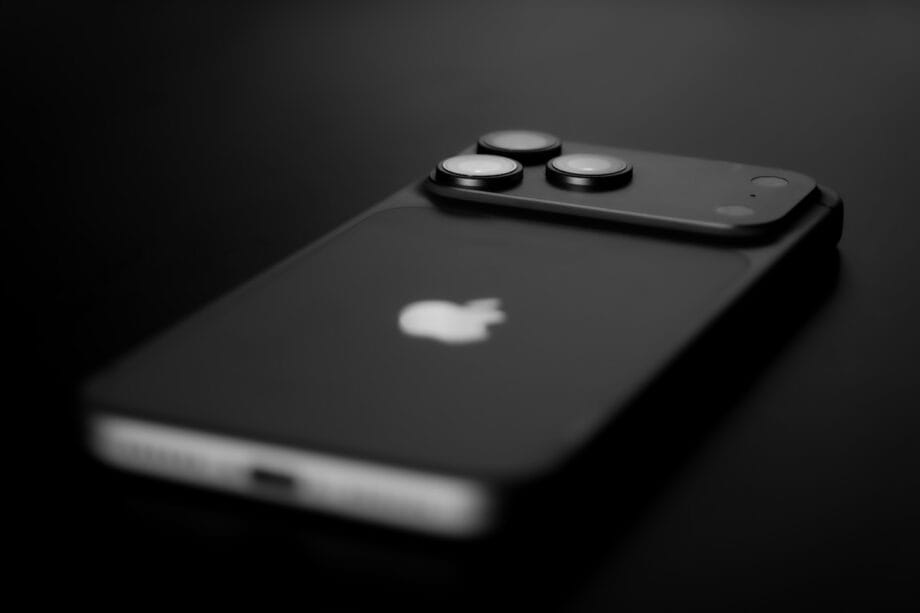
Additionally, reports suggest that Apple is on track to unveil its foldable iPhone, projected to retail at approximately $2,000, directly positioning itself against Samsung’s Galaxy Z Fold.
Across the board, pricing appears to be on the rise, with potential increases of $100 to $200 anticipated for the new iPhone models.
Source link: Firstpost.com.