Quick Summary
Cybersecurity is the practice of protecting computers, networks, devices, applications, and data from digital threats that can disrupt operations, steal information, or cause financial and reputational damage. Whether you use technology personally or professionally, this article explains the foundations of cybersecurity in clear, beginner-friendly language, helping you understand why it has become an essential part of everyday life.
As you read, you’ll learn about the different areas of cybersecurity, the most common cyberthreats, and the practical steps that help reduce security risks. The article also explores how cybersecurity continues to evolve as new technologies and attack methods emerge, showing why staying informed and following good security practices are key to protecting your digital information and maintaining a safer online environment.
What is Cybersecurity?

Cybersecurity is the practice of protecting computers, servers, mobile devices, networks, and data from malicious attacks. It brings together technology, processes, and policies to address cyber risk and keep your digital assets safe.
You might also hear it called information technology security or electronic information security. The term applies just as much to business operations as it does to the phone in your pocket.
Where the Threats Come From
Your organization faces danger from two directions. External threats include cybercrime, cyberattacks, and cyberterrorism launched by outsiders. Internal threats come from employees or trusted users who misuse their existing access.
The Core Categories of Protection
Cybersecurity breaks down into several specialized categories, each guarding a different part of your digital world:
- Network security: Protects the paths your data travels.
- Application security: Protects the software you use every day.
- Information security: Guards your most sensitive data.
- Operational security: Covers how your team handles information.
- Disaster recovery: Gets you back online after an incident.
- End-user education: Turns your employees into your first line of defense.
These layers work together, not separately, to build one comprehensive defense strategy.
New vulnerabilities and attack methods show up every year, so your defenses need to adapt constantly. Vulnerability management matters because attackers are always hunting for weak spots in your systems.
Risk management helps you figure out which threats deserve your attention first. Data protection measures then keep sensitive information private and limited to people who actually need it.
Treat cybersecurity as an ongoing commitment, not a one-time project. Staying informed about new risks and updated defenses protects both your infrastructure and your reputation.
Why is Cybersecurity Important?

Cyberattacks directly threaten your business operations and your personal information. Data breaches expose customer details, financial records, and company secrets to criminals looking to profit from them.
According to IBM’s 2025 Cost of a Data Breach Report, the average cost of a data breach in the United States is now $10.22 million. That’s an all-time high, making the US the most expensive country in the world for these incidents. It’s more than double the $4.88 million global average reported back in 2023, which itself marked a 10% jump from the year before.
Stolen information damages business relationships fast. Rebuilding customer trust after a breach can take years.
Small businesses aren’t safe just because they’re small. According to the Hiscox Cyber Readiness Report, 41% of small US businesses experienced a cyberattack in the past year. These attacks disrupt daily operations, drain resources on incident response, and can trigger compliance fines.
Cybercrime is expected to cost the global economy $10.5 trillion annually by 2025. That scale shows why this isn’t just an IT department problem anymore.
The Three Pillars Cybersecurity Protects
Cybersecurity protects the confidentiality, integrity, and availability of your information across healthcare, finance, government, and infrastructure sectors:
- Confidentiality: Keeps data private and limited to authorized users.
- Integrity: Keeps data accurate and free from tampering.
- Availability: Keeps systems and data accessible when you need them.
Why Strong Security Pays Off
Organizations with solid threat mitigation and risk management practices see noticeably lower breach costs. Here’s how the numbers stack up:
| Scenario | Average Breach Cost |
| US organizations (2025) | $10.22 million |
| Global average (2023) | $4.88 million |
| Orgs with security skills shortage | $5.74 million |
| Orgs without security skills shortage | $3.98 million |
Vulnerability assessments, cyber resilience planning, and solid incident response plans protect you from financial losses, legal trouble, and reputational damage.
Your investment in digital safety and network security today prevents costly problems tomorrow.
“Cybersecurity is not an expense; it is an investment in your organization’s survival and success in an increasingly connected world”.
Types of Cybersecurity

Organizations protect their systems through several specialized approaches, each targeting a different area of vulnerability. Understanding these categories helps you recognize which defenses apply to your specific needs.
Network Security
Network security protects your computer networks from intrusions by attackers or malware trying to steal data or disrupt operations. This means deploying firewalls, intrusion detection systems (IDS), and intrusion prevention systems (IPS) to monitor and block unauthorized access.
Firewalls act as barriers between your trusted internal network and untrusted outside sources, filtering traffic based on set security rules. Intrusion detection systems watch your traffic for suspicious patterns and alert your team when something looks wrong. Intrusion prevention systems go a step further, automatically stopping attacks before they reach your systems.
You also need email and web security, since attackers frequently use these channels to deliver malware or phishing campaigns.
Distributed Denial-of-Service (DDoS) attacks pose a major threat here too. These attacks flood your network with massive traffic from multiple sources, overwhelming servers and knocking legitimate users’ services offline.
Here are the core tools that strengthen your network defenses:
- Zero trust architecture: Assumes no user or device is trustworthy by default.
- Secure Access Service Edge (SASE): Combines networking and security into one cloud service.
- Vulnerability management: Finds weak points before attackers do.
- CIS benchmarks: Keep your practices aligned with industry standards.
- Attack surface management: Reduces the number of entry points attackers can target.
Endpoint Security
Endpoint security protects your devices, desktops, laptops, servers, and mobile devices from threats. Your organization faces constant risk of malware, ransomware, and unauthorized access attempts targeting these endpoints.
It works by layering several defenses together to catch attacks before they damage your systems or steal your data.
- Full Disk Encryption (FDE): Scrambles stored data so only authorized users can read it.
- Antivirus and antimalware tools: Use signature, heuristic, and statistical methods to catch known and unknown threats.
- MDM, MAM, and UEM: Give you centralized control over connected devices.
- Application Allowlisting: Blocks unauthorized software from running.
- Endpoint Detection and Response (EDR): Monitors device behavior and responds to incidents in real time.
Bring Your Own Device (BYOD) policies add extra challenges, since employees using personal devices for work expand your attack surface and demand stronger device controls.
These layered approaches keep threat detection effective across your entire device ecosystem, protecting both company data and personal information.
Application Security
Application security protects software throughout its entire lifecycle, from design through deployment. Vulnerabilities in applications create entry points attackers use to steal your data.
Practices such as Application Security Posture Management (ASPM) and Dynamic Application Security Testing (DAST) help you identify vulnerabilities before criminals do. Secure coding practices form the base of this defense, helping developers write code that resists common attack methods.
Security patching closes gaps as they appear, before attackers can exploit known weaknesses. Risk assessment and penetration testing uncover hidden security gaps before they cause real damage.
You should also implement role-based access control (RBAC) at the application layer to limit what each user can access or change.
Data breaches within applications cause serious financial and reputational harm, making prevention worthwhile. Regular vulnerability assessments catch problems early and keep your applications secure as attack techniques evolve.
Cloud Security
While application security focuses on individual programs, cloud security takes a broader view. It protects your entire cloud infrastructure, applications, data, and virtual servers hosted on remote platforms.
Cloud providers handle infrastructure security, but you are responsible for protecting your own data under the shared responsibility model. That means you need to actively manage your side of the equation to prevent breaches.
Multicloud environments, where you use several cloud providers at once, bring their own risks. Unsecured APIs, misconfigurations, and human error create common vulnerabilities here.
You can address these risks with two main tool types:
- Cloud Security Posture Management (CSPM): Monitors your setup for security gaps.
- Cloud Workload Protection Platform (CWPP): Defends the applications and data running in your cloud.
Data discovery, database security, and XaaS data security help you track where sensitive information lives and how it moves. Advanced methods like confidential computing and tokenization add extra layers of protection by encrypting data even while it’s being processed.
Compliance rules for cloud environments keep changing, so stay informed about regulations that affect your industry and ensure your infrastructure complies with them.
Information Security
Information security, often shortened to InfoSec, takes an even broader view. It protects all organizational information from unauthorized access, use, or changes, whether it sits on servers, in databases, or on employee devices.
This covers personally identifiable information (PII), such as Social Security numbers and financial records, as well as your company’s intellectual property and trade secrets. Data security is really a subset of information security, focused specifically on protecting digital information from theft or corruption.
Data Loss Prevention (DLP) solutions detect and block data theft attempts before damage occurs.
- Symmetric encryption: Fast encryption using one shared key.
- Asymmetric encryption: Secure key exchange using a pair of keys.
- Public key infrastructure (PKI): Manages digital certificates for trust verification.
Regular vulnerability assessments find weak points in systems and networks before attackers do. Compliance with data privacy laws such as GDPR or HIPAA shapes your information security strategy, depending on your industry.
Access control limits who can view or change sensitive information. Regular audits and strong security posture management keep information accurate over time and build trust with customers and partners.
Critical Infrastructure Security
Critical infrastructure security protects the essential services your daily life depends on: healthcare systems, banking networks, power grids, and water treatment facilities.
Nation-state actors increasingly target these sectors using Advanced Persistent Threats (APTs), long-term infiltration campaigns aimed at stealing data over months or years.
Cyberterrorism adds another layer of risk, where attackers aim to disrupt electronic systems and spread fear across entire regions. The Australian Cyber Security Center (ACSC) and NIST both provide sector-specific guidance to help organizations defend against these threats.
A successful attack on critical infrastructure can be catastrophic, disrupting services that millions of people rely on daily.
Smart grids and Internet of Things (IoT) devices in critical infrastructure introduce new vulnerabilities that require constant monitoring. Regular security assessments help you identify risks before they become serious problems.
Disaster recovery and business continuity planning help your infrastructure bounce back quickly after an attack, cutting downtime and protecting public safety.
Identity and Access Management (IAM)
Identity and Access Management (IAM) controls who can access your digital resources and what they’re allowed to do once they’re in. It works by verifying that users are who they claim to be, and then deciding which systems and data they can access.
IAM runs on two core functions. Authentication confirms your identity using credentials such as passwords or biometric data. Authorization then grants or denies specific permissions based on your role.
Think of IAM like airport security. Authentication is the process of scanning your ID to verify you’re who you say you are. Authorization is what determines which gates you can walk through based on your ticket.
Multi-factor authentication (MFA) and passwordless technologies strengthen your account security by requiring multiple verification methods rather than relying on a password alone. A phishing-resistant MFA blocks almost all identity-based attacks, which is a strong argument for tolerating that extra login step.
Privileged Access Management (PAM) and the Principle of Least Privilege reduce risk by granting people only the access required by their jobs. Frameworks like OAuth and role-based access control (RBAC) enforce these permissions across your systems.
Advanced IAM tools, such as machine identity management and behavioral biometrics, provide additional protection by monitoring unusual access patterns and securing the non-human accounts that applications use to communicate with one another.
Recent News
Common Types of Cyberthreats

Cyberattacks take many shapes. Knowing the most common threats targeting your systems and data helps you defend against them effectively at both the personal and business levels.
Malware
Malware is short for malicious software, code built to harm your systems or steal your data. Almost every modern cyberattack involves malware, making it one of the most common threats you’ll face online.
Criminals spread malware through email attachments, infected downloads, or compromised websites. Once it’s on your system, it can steal personal information, encrypt your files, monitor your activity, or hand attackers control of your device.
Malware comes in several forms:
- Viruses and Trojans: Disguise themselves as legitimate files or programs.
- Spyware and keyloggers: Record everything you type, capturing passwords silently.
- Ransomware: Encrypts your files and demands payment to unlock them.
- Adware and botnets: Hijack your device to serve ads or launch coordinated attacks.
The Dridex financial trojan has hit victims since 2014, spreading mainly through phishing emails or existing malware infections. Losses from Dridex attacks have reached hundreds of millions of dollars, a clear sign of the damage malware can cause.
You can detect malware using signature-based methods that spot known threats, heuristic methods that flag suspicious behavior, or statistical methods that catch unusual patterns.
Phishing
While malware directly damages your systems, phishing targets you personally. It’s a social engineering technique that uses fraudulent emails, texts, or calls to trick you into sharing sensitive information or downloading malware.
Attackers craft these messages to look legitimate, often impersonating trusted organizations or coworkers to earn your trust.
Phishing shows up in several forms:
- Bulk phishing: Casts a wide net, hoping a few recipients take the bait.
- Spear phishing: Targets specific people using personal details about you or your company.
- Business Email Compromise (BEC) and whale phishing: Focus on executives and financial officers with access to major resources.
Targeted attacks work far better than generic ones because they use details that make you let your guard down. Phishing accounts for 15% of all data breaches, making it one of the most damaging threats around.
Now, AI-generated phishing attacks surged heavily during the recent holiday season, as criminals used generative AI to write highly personalized messages that slipped past traditional email filters. Quishing attacks using fake QR codes and hybrid vishing, which mixes voice and text, are also on the rise.
Watch for these warning signs:
- Messages that create urgency or fear to pressure you into rushing your decision.
- Requests for passwords, credit card numbers, or social security numbers.
- Poor grammar or spelling (though sophisticated attacks now avoid this).
Credential theft occurs when you unknowingly enter your login details on a fake website that looks real. Identity theft and fraud follow when attackers use your stolen information for financial gain.
Your defense needs both technology and human awareness. Security awareness training teaches you to spot suspicious messages and report them rather than click them. Antiphishing tools and email filters automatically catch many attempts by checking sender reputation and message content, and credential phishing detection tools warn you when your login details appear where they shouldn’t.
Ransomware
Phishing attacks often serve as the entry point for ransomware infections, which is why understanding the link between the two matters. Ransomware is malware that locks up your data or devices and holds them hostage until you pay the attackers.
It encrypts your files, making them completely inaccessible, and criminals demand payment for the decryption key. Ransomware incidents jumped by 150% in 2020 alone, underscoring how quickly this threat grew as more organizations fell victim.
The Colonial Pipeline attack showed just how much damage ransomware can do to critical infrastructure, disrupting fuel distribution across an entire nation.
Ransomware-as-a-Service (RaaS) has made it easier to launch attacks, allowing criminals without in-depth technical skills to rent ransomware tools from experienced developers.
The recent data breach investigations report found that ransomware is more prevalent among small and medium-sized businesses than among large enterprises. It means small businesses aren’t flying under the radar. They’re actually the preferred target.
Healthcare, finance, and government face the highest risk because they hold valuable data and run critical operations. Phishing and information leakage remain the two most common ways attackers initiate ransomware attacks.
Ransomware incidents have actually declined since 2023, as more businesses refuse to pay ransoms and governments crack down on ransomware groups worldwide. Your best defense stays the same: regular backups stored separately from your main systems, encryption to protect those backups, and threat detection tools that catch ransomware activity early enough to isolate infected systems.
Distributed Denial-of-Service (DDoS) Attacks
A Distributed Denial-of-Service (DDoS) attack overwhelms your online resources by flooding them with massive amounts of traffic from multiple sources simultaneously. Attackers aim to crash your servers, websites, or apps by overwhelming them with a sudden surge of traffic.
This traffic overload knocks your systems offline, disrupting service for legitimate users and customers. Botnets, networks of infected computers controlled through malware, typically carry out these attacks. Criminals sometimes pair DDoS attacks with ransomware demands to make them even more damaging.
Detection systems and real-time monitoring help you spot DDoS threats before they cause serious harm. Machine learning and AI now play a growing role in catching these attacks faster than traditional methods alone.
Quick identification and response directly strengthen your organizational resilience and keep your services available to the people who depend on them.
Insider Threats
Insider threats come from authorized users within your organization – employees, contractors, and partners who misuse their existing access. These people carry legitimate credentials, which makes them uniquely hard to catch.
An insider might intentionally steal sensitive data, sabotage systems, or commit fraud. Or, an employee could accidentally expose confidential information through careless handling or falling for a social engineering trick.
That’s the distinction most people miss. The bigger threat usually isn’t a corporate spy. It’s a tired employee who clicks the wrong link or mishandles a file.
Detecting insider threats is genuinely hard because authorized activity can mask bad behavior. Standard security tools struggle to flag actions that look legitimate on the surface.
Access control measures, monitoring of privilege escalations, and ongoing employee training all help detect suspicious patterns before they lead to serious damage. Cooperation between IT, management, and security teams matters here too, along with regular security assessments and a solid incident response plan.
Articles you may like
Best Practices for Cybersecurity
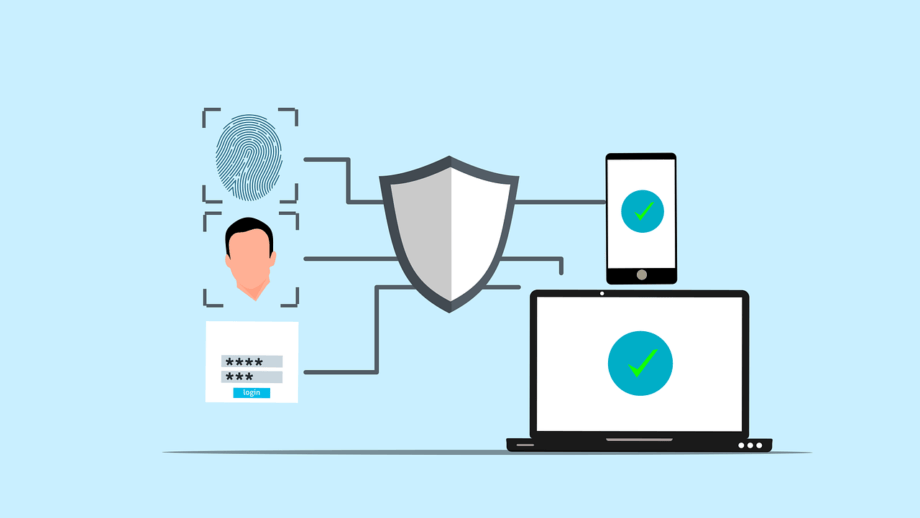
You can protect your organization and your personal information with practical steps you control directly. Here’s where to start.
Use Strong, Unique Passwords
Your password is the first line of defense against unauthorized access to your accounts and devices. Strong passwords protect your personal information, financial data, and digital identity from automated cracking tools.
A strong password needs at least 8 characters and should mix uppercase, lowercase, numbers, and symbols. A password like “Tr0pic@lSunset42” is far harder to crack than something like “password123”.
Here’s a trick that makes strong passwords easier to remember:
- Start with a memorable phrase, like “My dog loves running on sunny days”.
- Take the first letter of each word: “Mdlrosd”.
- Mix the case, add a symbol and a number: “MdlrOsd#2024”.
Password managers generate and store strong passwords for you, so you don’t have to remember complex credentials across every account. Changing your passwords regularly helps too, especially after a breach at any service you use.
Organizations typically enforce password policies that require periodic updates and meet complexity standards, fostering a culture of access control that protects company information.
Enable Multi-Factor Authentication
Strong passwords matter, but they can’t stop a determined attacker on their own. Multi-factor authentication (MFA) requires more than one credential to access your account, so even a stolen password isn’t enough to get in.
MFA combines something you know, something you have, and something you are. You might enter a password, then verify with a code sent to your phone, a fingerprint scan, or a security key. Enterprise organizations often pair Single Sign-On (SSO) with MFA to protect sensitive data while keeping things convenient for users.
“Requiring MFA transformed our exposure to credential phishing. Attackers could no longer turn password steals into account takeovers in almost all cases”.
Phishing-resistant MFA solutions add another layer of protection by using standards like FIDO and FIDO2, which prevent attackers from intercepting your login even if they trick you into visiting a fake site. Adaptive MFA takes this further, adjusting requirements based on risk, so logging in from an unfamiliar location triggers stricter verification.
Biometric authentication and behavioral biometrics analyze patterns unique to you, such as your typing rhythm, while passwordless authentication is gaining ground across industries as an alternative to traditional logins. Rolling out MFA across every critical account protects your personal information, financial data, and professional credentials from unauthorized access.
Keep Software and Systems Updated
MFA protects your accounts, but that defense only works well when the systems underneath stay current. Keeping software and systems up to date is the foundation of good cyber hygiene and strengthens your overall security posture.
Outdated systems are easy targets for criminals who actively hunt for known vulnerabilities. Patch management ensures you fix these gaps before attackers can exploit them.
Here’s what needs regular attention:
- Operating systems and applications.
- Device firmware.
- IoT devices, which often run outdated firmware that criminals exploit for network access.
Automating patch management streamlines updates across multiple devices, reducing the time between when a vulnerability is discovered and when it is fixed. Regular vulnerability scanning helps you identify which systems need attention before attackers do.
Staying current with updates directly reduces your risk and strengthens your overall data protection strategy.
Educate Employees About Cyberthreats
Your employees are either your strongest defense or your biggest vulnerability. Human error causes a large share of data breaches, which is exactly why security awareness training matters.
Training teaches your team to recognize phishing attempts, spot suspicious links, and understand how social engineering manipulates people into compromising security. Programs focus on practical skills, like avoiding unknown attachments and spotting malware warning signs.
Regular security drills and phishing simulations turn this learning into habit. Your employees go from potential weak points to active defenders of your organization’s data.
Measuring these programs matters too. Track who completed training, how well they understood it, and whether their behavior actually changed afterward. Organizations that invest in this see lower breach rates, more cost-effective incident response, and stronger overall security.
Regularly Backup Critical Data
Backing up critical data is one of your most effective defenses against cyberthreats. You need copies of essential files stored separately from your main systems to protect against data loss.
Ransomware, hardware failures, and insider threats can all destroy your original data. Regular backups keep your data intact and your business running even after an attack.
Automated backups reduce human error by running on schedule without manual work. Encrypt these backups and store them in secure, remote locations isolated from your main network.
Backup validation confirms your copied data is actually reliable when you need it.
“Quarterly validation gave us confidence that backups are not just running; they are usable when it matters”.
Tools like Clumio offer ransomware protection built specifically for backup environments, stopping attackers from corrupting or deleting your backup copies. Security audits like SOC 1 and SOC 2 evaluations assess how well your backup data is protected and flag any gaps.
High availability and disaster recovery frameworks speed up restoration after an incident. This combination of backups, encryption, and testing builds real resilience against data loss, which brings us to the emerging threats reshaping the future of cybersecurity.
The Future of Cybersecurity

Artificial intelligence, zero trust architecture, and new defense strategies are changing how you protect your systems against threats that move faster than traditional security ever could.
Role of Artificial Intelligence in Cybersecurity
Machine learning and data analysis now power modern threat intelligence systems. AI tools scan massive volumes of security data in seconds, spotting threats faster than traditional methods ever managed.
These systems catch unusual patterns and flag potential attacks before they cause damage. AI automation also frees your security team from routine tasks, letting them focus on complex incident response.
But AI adoption brings real challenges too. Only a limited number of AI initiatives are actually secured, leaving many organizations exposed to new vulnerabilities.
Criminals use AI too, for things like deepfake phishing and prompt injection attacks that make traditional defenses less effective. High alert volumes from AI systems can overwhelm your security team with false positives.
Your risk management strategies need to evolve alongside AI, including new fraud prevention techniques, especially in banking and finance where the stakes run highest.
Growing Importance of Zero Trust Architecture
Traditional perimeter-based security assumes everything inside your network is safe and everything outside is dangerous. That assumption falls apart in today’s cloud and hybrid work environments, where data lives everywhere.
Zero Trust Security flips this idea. No user or system gets trusted by default. You verify every access request, every time, whether it comes from outside or inside your organization.
Organizations see real value here. Most believe adopting Zero Trust significantly improves their security posture, and the financial data backs that up. Organizations with fully deployed Zero Trust architecture can save millions per breach compared to those still relying on traditional security models.
You implement Zero Trust through continuous identity verification, multi-factor authentication, data encryption, and careful mapping of data flows across your infrastructure. It changes how you think about access control in modern IT environments.
The framework requires you to verify every user and device before granting access to anything. You encrypt data at rest and in transit, never assuming a connection is safe just because it starts inside your network. Detailed access logs and continuous permission checks strengthen your compliance and risk management efforts.
Emerging Threats and Advanced Defense Strategies
Zero Trust strengthens your foundation, but threats keep evolving, which means you need advanced defense strategies to stay ahead.
Ransomware and phishing attacks continue to rise across every industry. Cybercriminal activity has grown more automated and coordinated, raising the risk of large-scale disruptions.
Threat intelligence gathering helps you understand attacker tactics before they hit. Your organization needs security automation to detect threats faster and respond with more precision than manual processes allow.
AI and machine learning now play a critical role in catching threats traditional tools miss, analyzing huge volumes of data in real time to spot suspicious patterns.
A few practices tie this all together:
- Incident management: Responds swiftly to breaches, cutting damage and recovery time.
- Vulnerability management: Finds weak points before attackers do.
- Digital forensics: Investigates breaches and gathers evidence for legal action.
- Cyber resilience planning: Keeps operations running through major incidents.
Sharing knowledge across organizations and security experts strengthens everyone’s defenses against new attack methods.
Key Takeaways
- Cybersecurity is the ongoing practice of protecting computers, networks, devices, applications, and data from digital attacks, helping keep information secure and systems available.
- Effective cybersecurity uses multiple layers of protection instead of relying on a single tool, combining technology, security processes, and informed user behavior.
- Cyberthreats such as malware, phishing, ransomware, DDoS attacks, and insider threats can affect both individuals and organizations, making awareness and preparation essential.
- Different areas of cybersecurity protect different parts of your digital environment, including networks, devices, applications, cloud services, sensitive information, and user identities.
- Simple security habits, such as creating strong passwords, enabling multi-factor authentication, keeping software updated, and backing up important data, greatly reduce the risk of successful attacks.
- Employee awareness is an important part of cybersecurity because many attacks succeed by tricking people rather than breaking through technology alone. Regular training helps users recognize and avoid common threats.
- Cybersecurity requires continuous attention because attackers continually develop new techniques, necessitating regular monitoring, risk management, and timely updates.
- Emerging technologies such as artificial intelligence and Zero Trust security are changing how organizations detect threats and protect their systems. Still, they also introduce new security challenges that must be managed.
Conclusion

Protecting your digital assets takes a mix of technology, processes, and human awareness working together.
Your organization faces real threats every day, from ransomware to identity-based intrusions that exploit weak systems and access controls.
Data breaches cost companies millions, and cybercrime threatens the global economy with trillions in yearly losses.
Strong passwords, multi-factor authentication, updated software, and trained employees turn your security from reactive to proactive.
That’s the real answer to what cybersecurity is: it’s not one tool; it’s a habit you build every day.
Start building your defense today. The cost of prevention is always smaller than the cost of recovery.