Google Launches Android 17 with Extensive Enhancements
Today, Google LLC unveiled the latest iteration of its Android operating system, which is initially available for Pixel smartphone users.
This comprehensive update debuts a plethora of features, including advanced artificial intelligence capabilities, innovative communication tools, smartwatch enhancements, and considerable security improvements.
In conjunction with Android 17, Pixel users will benefit from a new Pixel Drop update, which introduces exclusive features tailored for their devices. Additionally, smartwatch users will enjoy new functionalities via an updated version of Google’s Wear OS platform.
The release sheds light on Google’s strategic vision for integrating AI into Android. Instead of relegating AI to a peripheral role, the company aims to embed this technology within the core user experience, enhancing everything from content creation to personal assistance and productivity.
Among the most significant updates is the incorporation of support for Google’s latest models, including Gemini Omni, Lyria 3, and AudioLM.
These sophisticated models are equipped to manage a variety of AI tasks, such as speech recognition, conversational interactions, multimodal engagements, and even music generation.
However, they are not directly accessible; rather, they integrate into various applications and functionalities on Pixel devices.
It is easy to overlook that smartphones primarily serve as communication tools. Android 17 serves as a subtle reminder of this fundamental purpose by introducing an innovative phone call management system.
Users can now create personalized audio greetings for times when they cannot answer, while the “Take a Message” feature, which allows callers to leave interactive messages, expands to additional regions.
Smartphones, however, are designed for more than just calls. They also assist users in juggling their personal and professional lives. To facilitate multitasking, Android 17 introduces a novel interface component known as the “Bubble Bar.”
This feature displays recently used applications in floating bubbles at the bottom of the screen, allowing users to easily switch back without the need for swiping or pressing buttons.
For content creators and social media aficionados, Android 17 introduces a groundbreaking tool enabling users to simultaneously capture their screen contents while recording video with the front-facing camera. This capability is ideal for producing reaction videos, tutorials, and other social media content.
Foldable smartphone users are also set to receive a unique update, featuring a new gaming mode. This mode facilitates a split-screen layout, where one half serves as a dynamic game controller while the other displays the gameplay.
In addition to these enhancements, improved security and parental control options accompany the update. The “Mark as Lost” feature within the Find Hub tool empowers users to secure misplaced devices and bolsters threat detection.
Parents can now impose screen time limits and restrict access to specific content or applications using a PIN, all without the necessity of linking a Google account.
The Pixel Drop update further enriches safety features. For instance, Pixel Watch devices can automatically summon assistance in the event of a car accident, severe fall, or loss of pulse, instantly notifying emergency services or designated contacts.
Simultaneously, Google announced a series of AI-driven enhancements within Wear OS 7, the newest version of its smartwatch operating system.
Starting this summer, users will have the ability to create personalized widgets for their smartwatch home screens through simple verbal instructions, utilizing enhanced Gemini Intelligence.
This also introduces “personal intelligence,” leveraging data from interlinked Google applications and user conversation histories to deliver customized assistance.
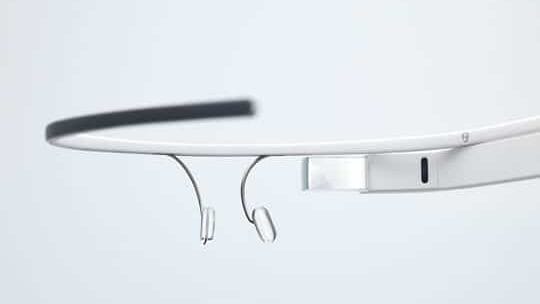
Additional benefits of Wear OS 7 include heightened connectivity. Live updates from more smartphone applications will now be available on multiple Pixel Watch models, along with improved integration with devices like Google’s new AI-enabled glasses. Moreover, users can look forward to up to a 10% increase in battery life due to operational optimizations.
Google confirmed that Android 17 and Wear OS 7 are currently rolling out on Pixel devices, with updates for other eligible devices expected later this year.
Source link: Siliconangle.com.