The premium audio sector has been invigorated by the launch of one of the most audacious in-ear headphones to date.
Campfire Audio has unveiled the Chimera, a flagship model tailored for both audiophiles and audio professionals who seek an unparalleled level of detail far exceeding that found in mainstream wireless headphones.
The Chimera distinguishes itself through an exceptional amalgamation of materials and acoustic engineering.
Each earphone features 9 independent drivers, incorporating electrostatic tweeters, balanced drivers, a dynamic driver, and an innovative bone conduction system designed to enhance bass frequencies physically.
The entire assembly is encased in a structure crafted from carbon fiber, magnesium, and embellished with brass detailing.
This innovation effectively carves out a new category in portable audio. However, this uniqueness comes with a steep price tag: the Campfire Audio Chimera retails at an astonishing US$ 7,500, which translates to approximately R$ 37,000 at the current exchange rate as of May 2026.
The Campfire Audio Chimera employs 9 drivers on each side to allocate distinct sound frequencies
The sophisticated sound architecture of the Chimera is the chief factor drawing attention from audiophiles. As reported by Campfire Audio, this model utilizes a remarkably intricate hybrid arrangement, with various types of drivers collaborating seamlessly.
The configuration includes a 10 mm dynamic driver dedicated to bass, a dual-diaphragm balanced driver for mid-range frequencies, two additional balanced armatures to ensure audio fidelity, four electrostatic tweeters for treble clarity, and a specialized bone conduction driver designed to augment the physical sensation of bass.
This design philosophy is intended to segment the audio spectrum among specialized components. Consequently, each section of the sound is reproduced by drivers particularly optimized for certain frequencies, thus minimizing distortion and amplifying audio clarity.
The bone conduction system enhances the user’s experience of bass
A unique aspect of the Chimera is its bone conduction driver. This system does not merely transmit sound through the traditional auditory canal; it leverages structural vibrations to amplify the impact of bass frequencies.
This technology, while appearing in some ultra-premium models over recent years, remains a rarity in the marketplace.
Campfire Audio aims to cultivate a more immersive listening experience, particularly with profound sub-bass.
This engineering prowess starkly differentiates the Chimera from conventional offerings such as AirPods Pro, Galaxy Buds, or Sony WF-1000XM5.
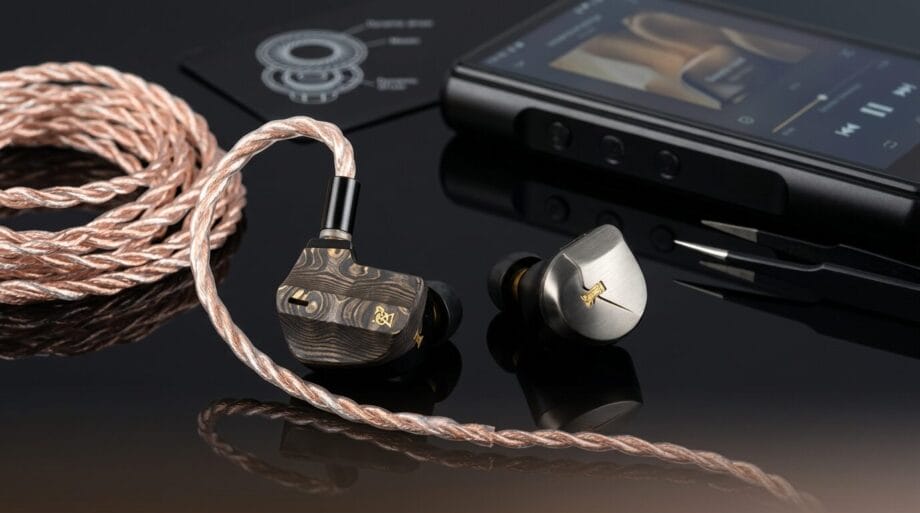
The headphone is constructed from premium materials including carbon fiber, magnesium, and brass
Beyond its acoustic fidelity, the Chimera places a strong emphasis on superior construction quality. Campfire Audio Headphones/Disclosure
Campfire Audio asserts that the model features a magnesium casing adorned with PVD coating, complemented by faceplates crafted from carbon fiber and CNC-machined brass.
In a nod to artisanal craftsmanship, each unit exhibits minor aesthetic variations due to the meticulous manufacturing processes.
This ensures that every pair is nearly unique, reinforcing the concept of a portable audio device treated as a luxury handcrafted item.
Electrostatic tweeters are seldom found, even among high-end headphones
Another notable technical attribute is the incorporation of four electrostatic tweeters per side. Electrostatic drivers are acclaimed for delivering exceptional resolution in high frequencies, characterized by airy tones, intricate micro-details, and superior sound separation.
However, this technology is often costly, intricate, and presents challenges in terms of miniaturization.
Thus, the inclusion of four units on each side elucidates the Chimera’s high-end positioning within the audio market. This model is indisputably not designed for the average consumer.
Campfire Audio has also developed a specific premium cable for this model
The package features a cable, dubbed Valence-6, designed by ALO Audio. Campfire Audio indicates that this accessory employs four copper conductors alongside two hybrid copper and silver conductors.
The objective is to diminish interference, elevate electrical conduction, and retain as much of the audio signal integrity as possible. The kit further includes an assortment of silicone and foam ear tips, a carrying case, and cleaning utensils.
At this caliber, nearly every component plays a pivotal role in realizing the supreme audio aspirations.
The price categorizes the Chimera in a realm entirely distinct from mainstream headphones
The astonishing price point of $7,500 positions the Chimera as one of the most exorbitant in-ear headphones ever produced by Campfire Audio.
Comparative analyses by industry experts reveal that this model costs multiples more than AirPods Pro and other prevailing premium wireless audio options.
This distinction lies in the fact that the targeted demographic does not encompass the typical consumer who casually enjoys music on their phone throughout the day.
Campfire Audio aims directly at fervent audiophiles, audio engineers, music producers, and those prepared to invest significantly in equipment regarded as quintessential in sound fidelity.
Source link: En.clickpetroleoegas.com.br.