New Research Reveals Smartphone Usage Among Students
A recent study conducted by researchers at the University of North Carolina at Chapel Hill uncovers a startling trend: middle and high school students devote nearly one-third of their school day to their smartphones, frequently checking them for social media and entertainment. This incessant usage correlates with diminished attention spans and impaired impulse control.
The research meticulously examined the frequency of smartphone use among adolescents during school hours and its potential ramifications on their focus and attention regulation.
By systematically tracking smartphone activity every hour over a two-week span, the study amassed thousands of genuine data points, thereby facilitating a nuanced understanding of phone usage patterns throughout the school day—moving beyond reliance on self-reported metrics or generalized averages.
“Smartphones have metamorphosed from occasional tools to omnipresent devices in students’ daily lives,” remarked Eva Telzer, professor of psychology and neuroscience at UNC-Chapel Hill and the study’s lead author.
“Our findings indicate that habitual phone checking could severely compromise the essential skills required for academic achievement.”
The investigation revealed that students who engaged in frequent phone checks exhibited notable deficiencies in cognitive control, a critical aptitude for effective learning and scholastic success.
“What astonished us the most was the overwhelming amount of time teenagers spend on their phones during school,” stated Kaitlyn Burnell, research assistant professor at UNC-Chapel Hill and study co-author.
“Students accessed their phones every hour, resulting in an astounding one-third of their school day focused on these devices, with social media and entertainment constituting over 70% of that time.”
By capturing smartphone engagement minute by minute, the researchers elucidated that frequent checking—not merely the total screen time—serves as a pivotal behavior linked to distractions and weakened self-regulation.
This distinction is crucial, suggesting that interruptions from recurrent phone checks may be particularly detrimental to the learning process.
“With various states and school districts implementing new smartphone policies, our findings bolster the case for restricting smartphone access during school hours,” asserted Telzer.
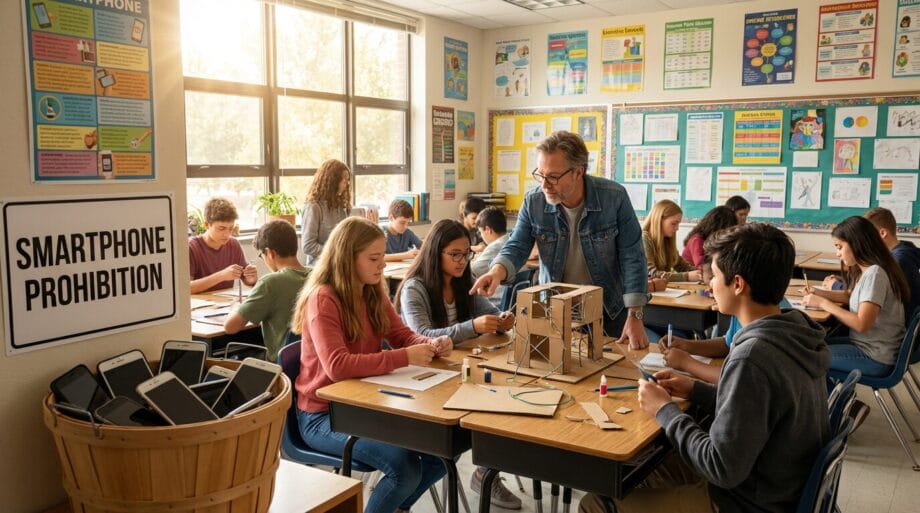
“Policies that limit student access to highly engaging platforms, such as social media and entertainment applications, during instructional periods may safeguard students’ attentiveness and academic involvement.”
The implications of this research provide tangible, objective evidence that could shape future school policies and digital literacy initiatives, leading to more tailored strategies for managing smartphone usage in educational environments while harnessing the advantages of technology when utilized thoughtfully.
Source link: Miragenews.com.


