The discourse surrounding artificial intelligence (AI) profoundly altering the workplace remains incessant. Among the sectors most affected, none has felt the seismic shift as acutely as coding.
Business Insider embarked on an investigation to discern the extent of this metamorphosis—both advantageous and disadvantageous, often encapsulating both realms concurrently.
Our goal was to engage engineers regarding their sentiments and experiences: the exhilaration and apprehension, the nuances of their daily tasks, and the prospects for their careers.
Is AI augmenting their productivity? Do their skill sets remain pertinent? Moreover, how is this emergent technology redefining their interactions with supervisors and colleagues?
The culmination of our inquiry is documented in “The Great Coding Reset,” a six-part series detailing this pivotal juncture where AI coding instruments are reshaping routine workflows, corporate strategies, and the essence of being a software engineer.
AI’s Accelerated Development Took Us by Surprise
Innovation in technology occurs at a rapid pace, but AI’s evolution is particularly frenetic. Capturing this moment proved to be a formidable challenge.
In early May, the concept of tokenmaxxing—maximizing AI utilization—gained traction within corporate environments. Companies initiated leaderboards to foster a sense of friendly competition regarding AI engagement. Tokens proliferated, enabling boundless experimentation.
Yet, within mere weeks, Uber’s COO articulated that the soaring costs associated with tokens became difficult to substantiate, leading Amazon to dissolve an internal leaderboard. By June, businesses pivoted towards curbing escalating budgets.
Engineers consistently apprised us of real-time developments. Their perspectives evolved over weeks, or even days. This relentless velocity heralded heightened productivity, a surge of experimentation, and, in certain instances, led to developers exiting the industry.
Engineers: A Diverse Landscape
The AI dialogue has often been distilled into extreme scenarios: either automation annihilates all jobs or engenders a utopian future. Conversations with professionals at the coalface reveal far more nuanced sentiments.
For every software engineer ruminating on AI’s potential to automate beloved aspects of their work, another enthusiastically embraces the new tools, relishing the opportunity to innovate during weekends.
One developer noted they accomplished more with AI, albeit with reservations about ceding too much authority to it.
This complexity was mirrored in the survey responses gathered throughout the series. One participant lamented that AI had rendered their role “worse in many ways.”
Conversely, another attributed their newfound capacity to tackle intricate challenges to the technology, while maintaining agency over the process.
Uncertain Futures for Junior Developers
An increasing number of engineers are transitioning into AI management roles, dedicating their time to assessing AI-generated code and rectifying its errors.
This shift has altered entry-level job prerequisites, as firms now evaluate candidates based on their proficiency with AI technologies.
Consequently, developers find themselves assuming multiple responsibilities, increasingly collaborating across various disciplines.
A pivotal concern centers on the implications for newcomers to the field. Senior engineers may reap the most benefits from AI, owing to their established technical knowledge.
If AI continues to subsume tasks traditionally performed by junior staff—such as debugging and developing basic features—what avenues will remain for new entrants to acquire vital technical expertise?
Lessons for All White-Collar Workers
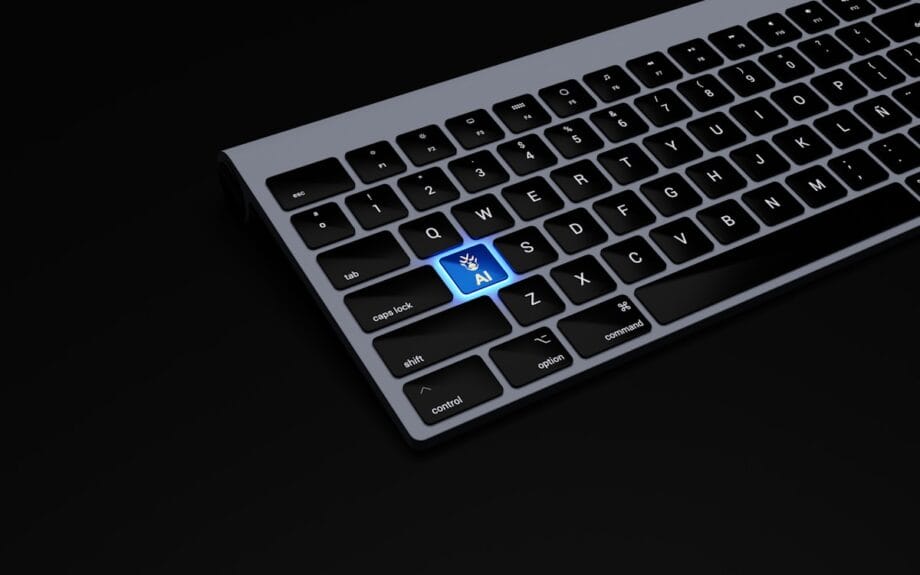
The reckoning with AI has predominantly struck software engineers first, inciting job upheaval, yet not outright obliteration.
As a result, developers have swiftly acquired new skills, reaffirmed their commitment to the more human elements of their roles, and in some cases, opted to seek impact in alternative realms.
While not all sectors of white-collar work may experience such a degree of AI infiltration, coding presents a binary truth: right or wrong. Other duties often embody greater complexity.
As our colleague Alistair Barr asserts, AI has become a universal concern. Nonetheless, even if numerous professions evolve less dramatically, there are valuable insights for the broader workforce pertaining to adaptability, resilience, and the intrinsic worth of our contributions.
Source link: Aol.com.