Apple’s Smart Glasses Encounter Further Delays, Now Anticipated for Late 2027 Release
Revamped Timeline for Apple Smart Glasses
Apple’s inaugural smart glasses, internally referred to as N50, were originally slated for a reveal by the close of 2026, with shipments expected to commence in early 2027, as reported by Bloomberg’s Mark Gurman.
However, developmental obstacles have necessitated a postponement, with the new target set for the end of 2027. This adjustment implies that broader availability may not materialize until 2028.
The tech titan is envisioning these smart glasses as a mainstream, artificial intelligence-driven wearable, potentially emerging as a pivotal computing platform akin to the evolution of the Apple Watch over the last decade.
Positioned within the everyday eyewear sector, they will contend with Ray-Ban Meta smart glasses and products from prominent eyewear conglomerates such as EssilorLuxottica, Safilo, and Warby Parker.
Design Aspects, Pricing Structure, and AI Integration
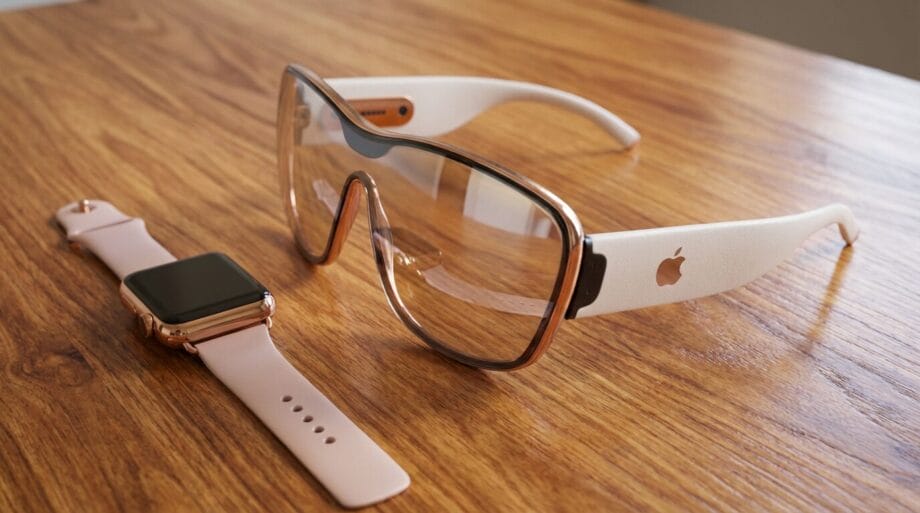
Initial reports indicate that the Apple smart glasses will debut without in-lens augmented reality displays, instead relying on integrated cameras, audio capabilities, and seamless connectivity with the iPhone and Apple’s AI innovations.
Gurman notes that the first iteration is expected to offer multiple frame styles, distinctive color palettes, and oval camera modules, adeptly designed to integrate with conventional eyewear.
Apple aims to target a price range between $200 and $500 (approximately 17,000 to 42,000 rupees before taxation), positioning itself directly against Ray-Ban Meta glasses, which commence at around $299.
The company is banking on the intimate integration with over two billion active Apple devices and an upgraded Siri, or “Apple Intelligence,” to render its smart glasses more attractive than conventional eyewear.
Extended Vision Air Development Timeline
In tandem with the smart glasses, Apple is also developing a more streamlined and lightweight successor to the Vision Pro mixed-reality headset, informally dubbed Vision Air.
According to Gurman, Apple seeks to mitigate the current model’s weight, bulkiness, and hefty price tag of $3,499 before launching a follow-up device.
The Vision Air’s launch is now projected to be delayed until late 2028 or 2029, effectively halting significant updates to Apple’s headset line for several years.
Should this timeline materialize, the Vision Air would debut approximately six years after the Vision Pro was first presented at WWDC 2023, highlighting Apple’s ongoing struggle to harmonize ambition with comfort and affordability.
Future Prospects for Apple’s Wearable Ventures
The postponements surrounding the Apple smart glasses and Vision Air underline the intricacies involved in transitioning avant-garde prototypes into consumer-ready products suited for daily wear.
Nonetheless, Apple’s long-term vision remains unequivocal: to transcend the iPhone by cultivating a line of AI-centric wearables, encompassing glasses and headsets, that meld computing with quotidian objects such as prescription eyewear.
If Apple can meet its 2027 deadline for the smart glasses and subsequently introduce a more price-accessible Vision Air by the decade’s end, it may significantly influence the future landscape of smart eyewear and spatial computing, reminiscent of its impact on smartphones and smartwatches.
However, for those eagerly anticipating the opportunity to experience Apple smart glasses, patience will be essential; the true test of this vision is still several years in the making.
Source link: Punemirror.com.