AI Layoffs: Long-Term Ramifications: Navigating the loss of employment is inherently challenging; however, economists assert that job losses attributed to artificial intelligence may engender more profound, enduring repercussions than standard layoffs.
AI-Driven Job Losses: Protracted Career Ramifications
A recent analysis conducted by economists at Goldman Sachs indicates that individuals displaced by historical waves of technological upheaval encountered not merely immediate hurdles, but also prolonged periods of unemployment, diminished earnings, and even significant delays in achieving major life milestones such as home ownership or family formation, according to a comprehensive report.
The Transformative Effect of AI on White-Collar Professions
This research elucidates potential outcomes as AI progressively transforms the workforce, especially within white-collar and knowledge-intensive sectors. Although current evidence suggests that AI is not yet displacing workers on a vast scale, economists caution that accelerated adoption could yield substantial long-term consequences.
Extended Job Searches Post-Tech Layoffs
A prominent trend emerging from the study is the significantly higher difficulty faced by workers recovering from tech-related layoffs.
Those who experienced job loss due to technological innovations took approximately an additional month to secure new employment compared to individuals laid off for alternative reasons.
Wage Suppression Following Re-Employment
Upon re-entering the workforce, these individuals generally accepted lower wages, averaging about 3% less after inflation adjustments, as reported by Investopedia.
Economists speculate that this wage disparity may stem from technological advancements undermining the value of previously acquired skills, thereby placing workers at a competitive disadvantage.
Stunted Career Advancement Over Time
The repercussions extend far beyond reemployment. During the ensuing decade, those displaced by technology experienced markedly sluggish salary progressions, with their earnings increasing 10 percentage points less than individuals who retained employment, and 5 percentage points less than those who were laid off for non-tech-related reasons, according to the Investopedia report.
Delayed Life Milestones Following Employment Loss
The ramifications of such setbacks permeated personal lives as well. Individuals aged 25 to 35 who lost jobs due to technology exhibited reduced probabilities of home ownership or marriage thereafter.
This challenge was exacerbated if layoffs occurred amid economic recessions. The economists involved in this analysis highlighted that AI-induced job displacement could incur “lasting costs,” particularly if intertwined with broader economic declines.
Adaptive Resilience Among Younger Workers
Conversely, there appears to be a modest silver lining. Younger employees, particularly those early in their careers, tend to exhibit more effective recovery patterns.
The study indicates that they are adept at adapting to change by either transitioning into new roles or enhancing their skill sets, whereas seasoned workers may grapple with the obsolescence of specialized knowledge.
This nuances the widely held apprehension that recent graduates will predominantly suffer the adverse effects of AI disruption; rather, younger workers may demonstrate greater agility in adapting to evolving circumstances.
Projections for AI-Induced Job Displacement
Currently, AI has not precipitated widespread employment losses, and unemployment figures remain relatively stable.
However, projections suggest that, should technological advancements proceed as anticipated, between 6% and 7% of the workforce could eventually encounter displacement over the next decade.
Implications of AI-Related Job Loss for the Future
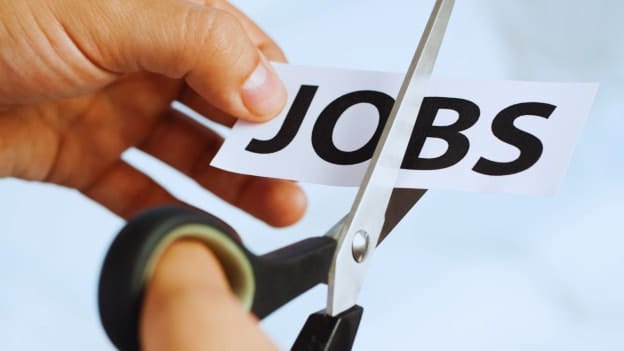
Should such displacement transpire, the ramifications may extend well beyond mere financial loss. For many, the outcome could entail drawn-out career recovery, diminished earnings, and postponed life aspirations—consequences that may be enduring and difficult to ameliorate.
Is AI presently displacing jobs?
Not at a significant scale, yet experts caution that such changes may occur over time.
Why are job losses to AI considered more detrimental than conventional layoffs?
Due to the potential devaluation of skills, which complicates the process of recovery.
Source link: Economictimes.indiatimes.com.