Anticipation builds for Apple’s iPhone 18 Pro Max, slated for release in September 2026, alongside the iPhone 18 Pro and the company’s inaugural foldable iPhone.
Current analyses portray this new iteration as a meticulously honed enhancement over the iPhone 17 Pro Max, with notable advancements primarily in chip efficiency, thermal management, battery reliability, and camera processing.
For those contemplating a purchase of a recent Pro Max model, it is imperative to grasp the nuances of these changes thoroughly.
A More Powerful and Efficient Chip
Each generation of the iPhone reliably introduces an upgraded processor, and 2026’s iteration will feature the A20 Pro chip, leveraging TSMC’s 2nm fabrication process.
Preliminary assessments indicate that the A20 could provide an impressive 15% increase in raw performance while simultaneously reducing power consumption by approximately 30%.
The adoption of smaller transistors typically correlates with diminished heat generation and enhanced battery longevity, positioning the iPhone 18 Pro Max as both swifter and more efficient.
Additionally, the A20 Pro chip is anticipated to augment on-device AI capabilities, thereby strengthening the functionalities of Apple’s burgeoning AI features.
As the breadth of these AI tools expands, the processing advantages offered by the 2nm architecture will become increasingly valuable throughout the device’s lifespan.
A Smaller Dynamic Island
The introduction of the Dynamic Island on Pro models in 2023 has seen little alteration since its debut.
However, reports suggest that Apple plans to significantly reduce its dimensions for the iPhone 18 Pro series by repositioning numerous Face ID components beneath the display.
Leaks indicate a reduction in the size of the Dynamic Island from approximately 20.76mm on the iPhone 17 Pro Max to about 13.49mm, representing a notable 35% decrease.
Speculative sources suggest the device’s front may sport either a streamlined Dynamic Island or potentially no Dynamic Island at all; nonetheless, the prevailing expectation leans towards a substantial size reduction.
Such alterations would provide users with an expanded usable screen area without necessitating a change in display size.
Variable Aperture on the Main Camera
Camera innovations have consistently been a cornerstone of the Pro Max lineup. The upcoming iPhone 18 Pro Max is poised to introduce a variable aperture to its main camera, which will continue to utilize a 48MP sensor.
This variable aperture mechanism permits physical adjustments to light entry, depending on environmental conditions.
It empowers users with greater control over depth of field and low-light scenarios, minimizing reliance on heavy computational processing.
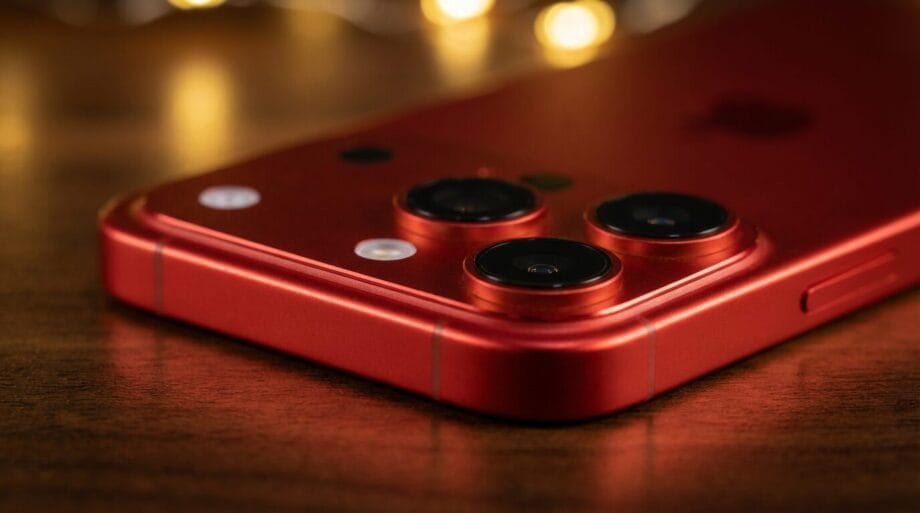
Likewise, the front-facing camera is set for a significant upgrade, transitioning to a 48MP sensor from the prior 12MP model of the iPhone 17 Pro Max.
This enhancement allows for more defined selfies, enhanced portrait videos, and improved performance in low-light environments.
Apple’s Own Modem Replaces Qualcomm
A pivotal change lies in the transition from Qualcomm to Apple’s proprietary C2 modem. This strategic move promises enhanced overall efficiency and potentially greater battery longevity.
This transition commenced with earlier iPhone iterations, and the iPhone 18 Pro Max is anticipated to finalize the shift in the Pro segment.
The closer integration between the modem and the primary chip is where efficiency improvements will manifest most prominently in daily usage.
Display and Battery Improvements
Both the iPhone 18 Pro and iPhone 18 Pro Max are rumored to incorporate novel LTPO+ panels—an upgraded iteration of Apple’s existing LTPO screens.
Such advancements should facilitate higher refresh rates while curtailing power consumption. This development could translate to smoother scrolling, accelerated animations, and superior battery performance concurrently.
Furthermore, emerging rumors hint at a marked enhancement in overall battery life for the 18 Pro Max.
When combined with efficiency strides from the A20 Pro chip and the new modem, the battery narrative for this generation appears more compelling than any isolated hardware changes might suggest.
The Verdict on Upgrading
The iPhone 17 Pro Max remains an impressive device; users who acquired one recently have no immediate motive to upgrade.
Conversely, those operating on older Pro Max models may find the iPhone 18 Pro Max to deliver a substantial suite of enhancements rather than a mere incremental update.

The fusion of variable aperture technology, a reduced Dynamic Island, the A20 Pro chip, and the in-house modem collectively comprises a portfolio of upgrades that can yield a perceptibly significant impact in practical use, even when each individual enhancement may seem modest on paper.
Source link: Tradebrains.in.