The original design heralded a groundbreaking user experience, quickly establishing itself as a benchmark within the industry.
Subsequent to its debut, a plethora of popular Android devices emerged, mirroring its features and catalyzing the proliferation of touchscreen smartphones.
Fast forward to September 2026, and the iPhone continues its trajectory of evolution, maintaining its allure among consumers.
With the unveiling of the iPhone 18 series, it becomes strikingly apparent just how substantial the technological advancements have been since the launch of the inaugural model in 2007.
What has changed in the iPhone’s design and functionality over these two decades? The ensuing paragraphs elucidate the most salient hardware and software distinctions between the original iPhone of 2007 and the 2026 iPhone 18 Pro Max.
Hardware Evolution: The Transformative Journey of iPhone Design from 2007 to 2026
A mere side-by-side juxtaposition of the early 2007 iPhone and its 2026 counterpart unveils the most conspicuous difference: the screen size.
The debut iPhone was equipped with a modest 3.5-inch multi-touch display, boasting a resolution of 480 x 320 pixels and a pixel density of 163 ppi. This innovation marked a significant milestone during its era.
In stark contrast, the latest iteration showcases a sprawling 6.9-inch OLED screen, featuring an impressive resolution of 2,868 x 1,320 pixels and a pixel density that reaches 460 ppi. The divergence between these two generations is therefore profound.
A similarly vast disparity characterizes the camera capabilities.
The original model from 2007 sported a singular 2MP rear camera. In juxtaposition, the 2026 iPhone is replete with a sophisticated quad-camera system, headlined by a 48MP main rear camera with variable aperture, complemented by a 48MP ultra-wide lens, a 48MP telephoto lens, and an 18MP front-facing camera.
This advanced camera ensemble is replete with features designed for both photography and videography, including video recording and touch-to-focus functionality.
Furthermore, the method of charging has undergone a remarkable transformation.
The 2007 device utilized Apple’s proprietary 30-pin docking connector, which was bundled with the phone. Conversely, the 2026 model has adopted a USB-C port for wired charging and continues to support MagSafe for wireless charging.
This allows contemporary iPhone users to select from two distinct charging modalities.
Connectivity with accessories, particularly headphones, has similarly witnessed significant evolution.
The initial iPhone featured a headphone jack positioned on its upper edge, enabling users to connect wired headphones even while charging the device. However, the discontinuation of the headphone jack began with the iPhone 7.
Users of the 2026 iPhone retain the option to utilize wired headphones; however, these must connect through the USB-C port, the same port employed for charging.
Software Innovations: Capabilities of the 2026 iPhone Versus the 2007 Model
Over the course of nearly two decades, iOS has experienced profound transformations, incorporating an array of new features and greatly amplifying user capabilities.
Among the most significant software enhancements is the advent of Siri.
When the original iPhone was released, it lacked any form of Siri integration; Apple’s voice assistant did not debut until four years later with the introduction of the iPhone 4S.
In contrast, the iPhone 18 Pro Max is outfitted with the most advanced iteration of Siri to date, aptly named Siri AI.
Fueled by artificial intelligence, Siri AI can execute a plethora of tasks, ranging from answering trivia questions to sifting through the user’s oldest personal photographs within their library.
Another crucial advancement is embodied in the App Store.
The 2007 model was devoid of the App Store—an entity that has now become fundamental to the iPhone ecosystem. The App Store emerged merely a year later with the iPhone 3G.
Prior to the App Store’s inception, users were limited to built-in applications, such as Safari, along with the web-based alternatives that were available.
By contrast, the 2026 iPhone will offer access to a comprehensive App Store teeming with nearly 2 million applications for user selection.
These applications empower users to engage in a myriad of activities that early iPhones could not accommodate, such as streaming films, conducting video calls, and playing an extensive array of games.
Variability in Software Support Duration
The disparity between the original iPhone and the latest model is further accentuated by the duration of software support provided by Apple.
The 2007 model received a mere two significant iOS updates, culminating in support ending at iOS 3.
In sharp contrast, users of the iPhone 2026 can anticipate software support lasting at least twice as long.
This extended support period is exemplified by iOS 27’s continued compatibility with older models such as the iPhone 11, initially released in 2019.
Reflecting on the progression over these nearly twenty years, the distinction between the 2007 and 2026 iPhones transcends mere hardware improvements, encompassing also significant shifts in user interaction, the app landscape, and capabilities involving artificial intelligence.
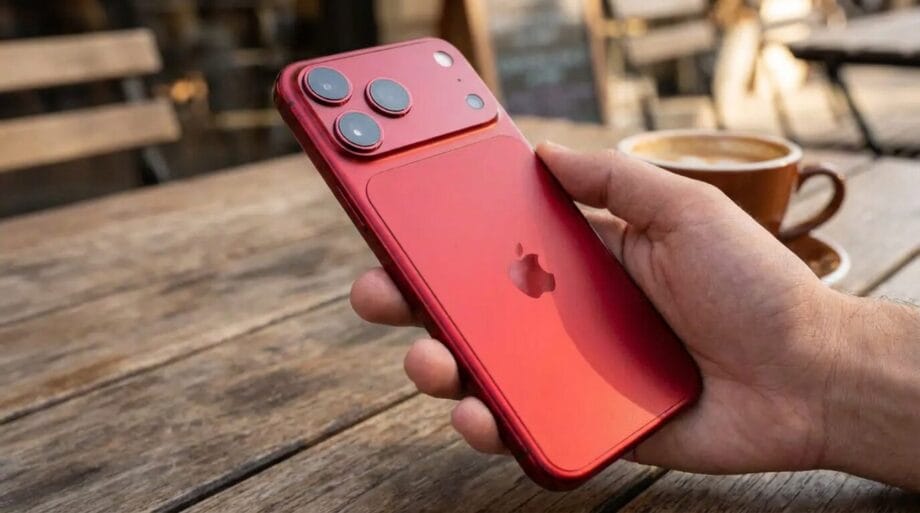
Transitioning from a device primarily designated for calls, messaging, web browsing, and music playback, the iPhone has metamorphosed into an all-encompassing gadget capable of capturing images, recording video, engaging in gaming, facilitating video communication, offering myriad apps, and interacting seamlessly with AI assistants.
This evolution vividly underscores the remarkable advancements in mobile technology observed since the initial introduction of the iPhone in 2007.
Source link: Vietnam.vn.