Apple is widely recognized as the developer of the iPhone. However, a closer examination of its profit sources reveals a paradigm shift: it is not the devices themselves that are the primary revenue drivers, but rather the substantial fees Apple garners from subsequent activities conducted on those devices.
The Margin Discrepancy Explained
In fiscal Q4 2025, Apple’s Services division—encompassing revenues from the App Store, iCloud, search licensing, Apple Music, AppleCare, and advertising—recorded an impressive gross margin of 75.3%.
In contrast, its Products division, comprising iPhones, iPads, and Macs, reported a gross margin of only 36.2%. For every dollar earned in Services, Apple generates nearly double the gross profit compared to hardware sales.
Services revenue soared to $109.16 billion in fiscal 2025, reflecting a 13.5% increase, and now constitutes 26% of Apple’s overall revenue, which totaled $416.2 billion—a notable rise from 22% two years prior.
This segment contributes disproportionately to the company’s financial success: approximately 42% of Apple’s gross profit of $195.2 billion in 2025 originated from a segment accounting for merely a quarter of sales.
This trajectory did not occur by chance; Apple has deliberately evolved towards this model over several years.
The Collection Hub
Central to this business strategy is the App Store, where Apple imposes a commission of up to 30% on purchases and in-app transactions, reduced to 15% for smaller developers and subscriptions after the initial year.
This revenue model leverages a vast ecosystem, with over 2.5 billion active devices recorded in January 2026, up from 2.35 billion the previous year—representing a plethora of opportunities for expenditures within the Apple ecosystem without the need for additional hardware shipments.
Nonetheless, the App Store alone does not account for the 75% gross margin. A significant portion of Services revenue stems from licensing arrangements, particularly the multibillion-dollar sum that Google pays annually to retain its status as the default search engine in Safari.
This arrangement incurs virtually no cost of goods sold, rendering it the most profitable aspect of Apple’s operations: a simple transaction for maintaining a preset configuration.
Complementing this are recurring revenue streams: paid iCloud storage—which Apple doesn’t disclose but ranks as its most utilized subscription service in the U.S.—alongside Apple Music, AppleCare, and a rapidly expanding advertising business. All digital services, they come with near-zero variable costs.
Critics who interpret the firm’s investments in sports rights and streaming agreements as a frantic departure from hardware oversight misapprehend the situation.
The lucrative 75% margin is primarily derived from search licensing, commission fees, and storage, rather than from Apple TV+, which is known for its razor-thin margins and ongoing financial losses.
Challenges to the Toll Booth
In 2021, Judge Yvonne Gonzalez Rogers largely supported Apple’s position in its dispute with Epic Games regarding federal antitrust laws but ruled that Apple’s anti-steering policy—inhibiting apps from directing users to cheaper external payment alternatives—was a violation of California’s Unfair Competition Law.
This judgment was upheld by the Ninth Circuit in 2023, and in January 2024, the Supreme Court rejected petitions from both parties.
In response, Apple complied with the ruling in the narrowest manner possible, permitting external payment links, yet instituting a 27% charge on purchases made through these links within a seven-day window, utilizing warning screens intended to deter user engagement.
Epic Games argued that this effectively voided the injunction. In April 2025, Judge Gonzalez Rogers concurred, finding Apple in willful civil contempt and ordering the cessation of any commissions on external-link transactions, subsequently referring the matter for potential criminal contempt. Fortnite re-entered the U.S. App Store shortly thereafter.
This commission has remained nonexistent in the U.S. since, yet the legal battle continues. In December 2025, the Ninth Circuit affirmed the contempt finding, although it determined that an outright ban on fees was excessive, allowing Apple to impose costs that are genuinely necessary for coordinating external purchases.
In May 2026, the Supreme Court declined to grant Apple a stay, agreeing instead to hear its appeal, scheduled for October.
The current situation indicates a zero commission in the U.S. pertaining to one specific transaction type, pending further review and a Supreme Court decision.
Meanwhile, the standard 15% to 30% in-app commission persists, and the rate structure has already diverged under the EU’s Digital Markets Act and Japan’s competition regulations, indicating that a uniform global 30% commission is a thing of the past.
The Significance
Once a company establishes substantial platform lock-in, the original product becomes less central to profitability.
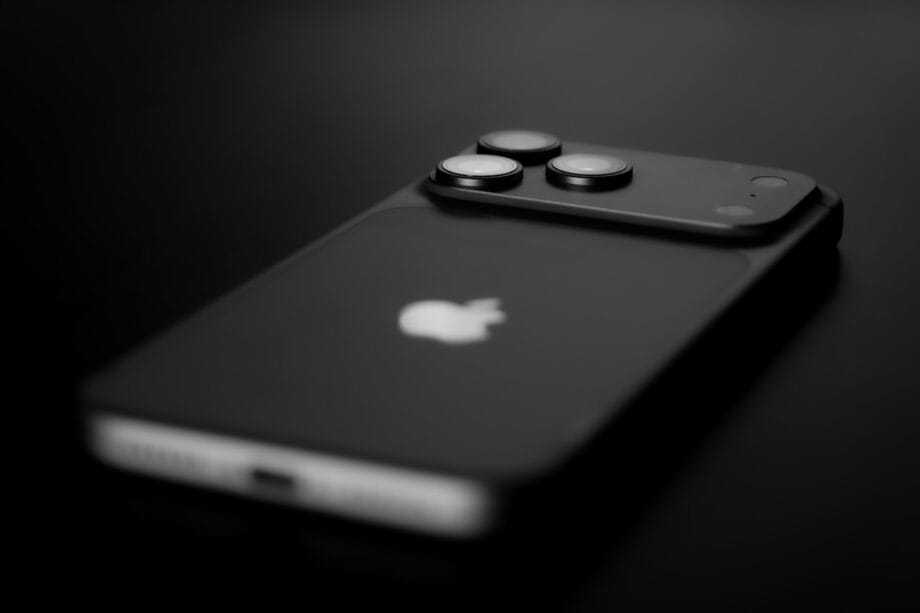
While the iPhone generates a respectable profit margin upon sale, the subsequent activities conducted on it—including app purchases, subscriptions, storage upgrades, and Safari searches—yield far greater returns repeatedly over time.
Thus, the hardware functions as the gateway; the toll booth represents the core of the business strategy. This is why legal challenges aimed at Apple focus not on the door itself, but rather on the costs associated with passage.
Source link: Yourstory.com.