Apple Adjusts Trade-In Values for iPhones Amid New Releases
In a recent online revision, Apple has downgraded the estimated trade-in values for all eligible iPhone models available in the United States.
This announcement, reported by MacRumors on September 15, coincided closely with the unveiling of the iPhone 18 Pro models and the iPhone Duo.
According to Apple’s Trade In service, final offers depend significantly on the condition and specific configuration of the devices.
The most lucrative estimate currently sits at a remarkable $885 for the iPhone 17 Pro Max. Furthermore, Apple quotes values of up to $785 for the iPhone 17 Pro, $585 for the iPhone Air, and $585 for the standard iPhone 17.
These models have recently been introduced into the trade-in program following the launch of their successors.
This update also brings forth an enhanced grading system for device condition. Minor aesthetic imperfections, such as chips on the display glass, can now be evaluated independently from more severe damages.
It’s important to note that the trade-in amounts displayed online are merely estimates; the devices must undergo an inspection process before final credit is determined.
Older models have experienced even steeper declines in their estimated values. For instance, the iPhone 16 Pro Max has plummeted from a maximum valuation of $720 to $610, marking a $110 decrease.
The iPhone 16 Pro dropped from $630 to $510, while the iPhone 16 Plus and the standard iPhone 16 saw reductions from $485 to $430 and from $480 to $430, respectively.
In addition to these changes, Apple has also adjusted trade-in estimates for the iPhone 16e, the entire iPhone 15 lineup, and earlier models.
The iPhone 15 Pro Max is now valued at up to $455, a decline from $530, and the iPhone 15 Pro now stands at $370, down from $420. The iPhone 14 Pro Max has decreased from $405 to $360.
It is essential to recognize that these reduced estimates do not imply an equal devaluation across the board.
Newer Pro models can still command significantly higher values than older standard variants, and factors such as storage capacity, carrier affiliation, and physical condition can influence trade-in offers even within the same generation.
Interestingly, Apple has also increased the trade-in values for certain non-iPhone devices. For instance, the iPad Pro is now appraised at up to $905, the MacBook Pro up to $1,315, and the Mac Studio at up to $1,460.
This nuanced approach distinguishes the latest update from a unilateral reduction across Apple’s entire trade-in framework.
Additionally, several Android devices have revised estimates listed. For example, the Pixel 9 Pro XL is valued at up to $290, while the Pixel 9 Pro is listed at $275.
The Galaxy S22 Ultra remains a part of the accepted trade-in lineup, making Apple’s estimates valuable not only for iPhone users but also for those considering a switch from Android.
Trade-in values are typically recalibrated in conjunction with new iPhone releases, as Apple seeks to align older model valuations with the latest offerings and current market demand.
This strategic timing places the iPhone 17 family at the forefront of the trade-in list while depreciating earlier generations.
Customers are advised to back up their devices and remove personal data prior to sending them to Apple for trade-in.
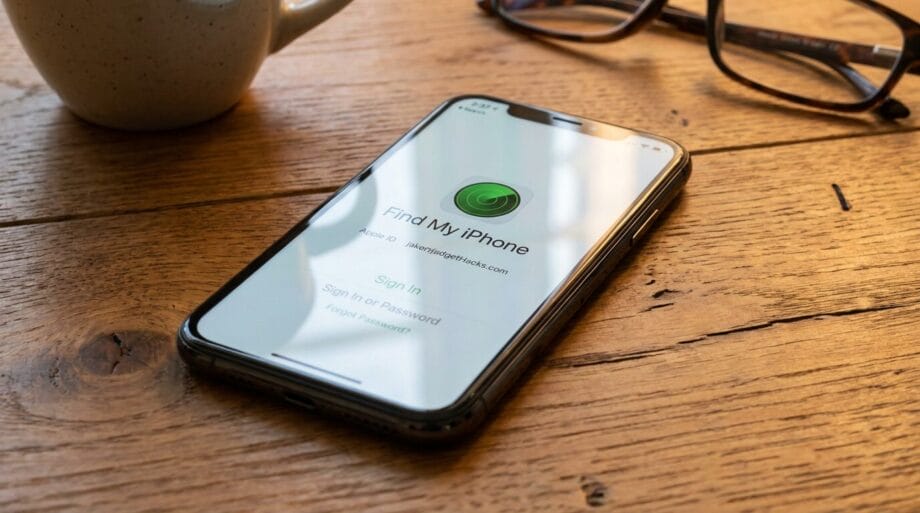
The process includes instructions for disabling Find My iPhone and preparing devices for trade-in; however, final credit may be subject to change pending the inspection’s findings regarding the device’s condition.
The practical implication of these changes is a reduced timeframe for individuals aiming to trade in older iPhones toward a new purchase.
It is crucial for customers to rely on Apple’s live estimates rather than outdated screenshots or third-party calculators, as the company retains the right to amend trade-in values at any moment.
Source link: Inews.zoombangla.com.