Apple Debuts iPhone 18 Pro and iPhone 18 Pro Max After Two-Year Hiatus
Last week, Apple officially lifted the veil on the long-awaited iPhone 18 Pro and iPhone 18 Pro Max, concluding a significant two-year interlude since the introduction of the iPhone 16 Pro series.
This considerable lapse has afforded Apple the opportunity to integrate a plethora of enhancements, presenting over 50 unique modifications compared to previous models and assuring consumers of a markedly refined device.
A significant portion of the design evolution was evident in the iPhone 17 Pro, which transitioned to a robust aluminum unibody from a titanium frame coupled with a glass back.
This iteration introduced Ceramic Shield 2, along with groundbreaking features such as vapor chamber cooling and upgraded telephoto and front-facing cameras.
The latest updates are predominantly centered on internal components: the new A20 Pro chip, a variable-aperture primary camera, a reimagined smaller Dynamic Island, and a remarkable boost in battery capacity, now offering the longest battery life in iPhone’s storied history.
The entry-level price for the iPhone 18 Pro commences at $1,199 for the model equipped with 256GB of storage, reflecting a $200 increase from the initial entry price of the iPhone 16 Pro, which was set at $999.
Nevertheless, it is crucial to note that the base storage for the iPhone 18 Pro has effectively doubled from 128GB to 256GB.
The iPhone 16 Pro is no longer available directly from Apple, necessitating reliance on existing devices or third-party sellers for any comparative assessments.
A detailed side-by-side analysis of the design and display attributes reveals significant distinctions between the two iterations.
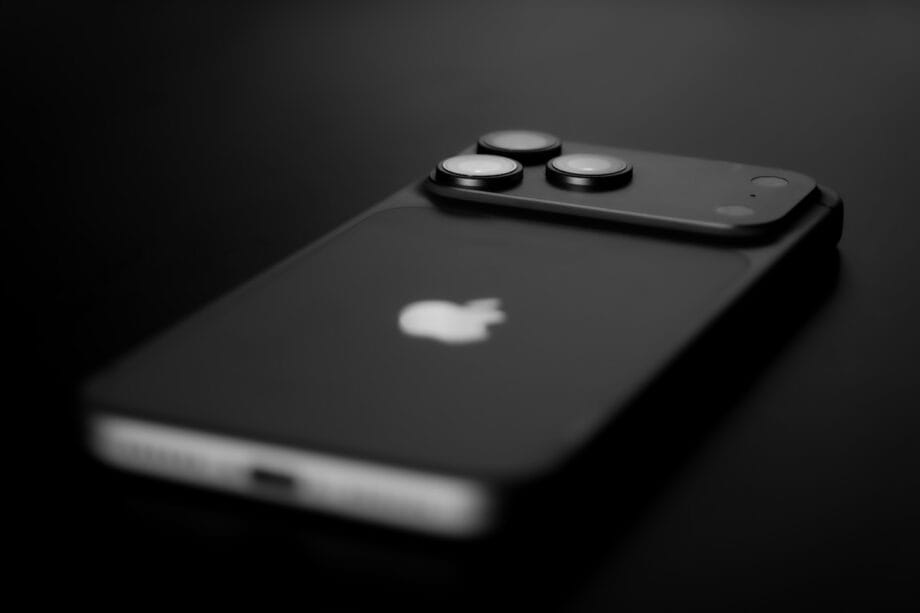
The iPhone 18 Pro exhibits a marginally thicker chassis at 8.75 mm, in contrast to the 8.25 mm of the iPhone 16 Pro, alongside a full-width rounded rectangle camera plateau instead of a more compact camera bump.
Additionally, the newer model incorporates Ceramic Shield 2, which offers threefold scratch resistance compared to its predecessor, alongside improvements in both brightness and contrast in the display.
Technological progress is underscored by advancements in chipsets and performance metrics. The iPhone 18 Pro is equipped with the A20 Pro chip, architected on a 2nm process—a notable progression from the A18 Pro’s 3nm framework.
This revised chip hosts a sixth-core architecture that amplifies processing capabilities and significantly increases memory bandwidth from 60GB/s to an impressive 115GB/s.
Furthermore, enhancements in the camera systems result in outstanding photographic performance, featuring a 48-megapixel telephoto lens with multiple optical zoom options and a main camera boasting a variable aperture.
Battery efficiency has also experienced a noteworthy upgrade. The iPhone 18 Pro is powered by a larger 4,056 mAh battery, facilitating up to 36 hours of video playback—a marked enhancement over the preceding model’s capability of 27 hours.
Additionally, charging has been expedited, allowing users to reach a 50% charge in a mere 15 minutes with a 60W-capable adapter.
For those contemplating an upgrade, existing iPhone 16 Pro and Pro Max users might find the transition to the iPhone 18 Pro to be a judicious investment, particularly when considering the cumulative benefits arising from both the present and past generations.
The durability and camera enhancements starkly differentiate the newer models from their older counterparts.
Nevertheless, with this price escalation, consumers who prioritize aesthetics over functionality may discover greater value in the iPhone 17 Pro, which retains many of the latest features at a more accessible price point.
Pre-orders for the iPhone 18 Pro and iPhone 18 Pro Max commenced on September 12, with official availability slated for September 18.
As consumers traverse the ever-evolving domain of smartphone technology, Apple’s newest releases continue to test the limits of performance, usability, and innovative design.
Source link: News.ssbcrack.com.