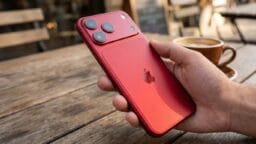
Rumors surrounding Apple’s forthcoming foldable iPhone, anticipated to retail at approximately $2,000, have stirred considerable excitement. However, a recent study presents a sobering reality: within its inaugural year, this innovative device may depreciate by nearly $1,300.
The findings originate from SellCell, which meticulously analyzed the 12-month resale dynamics of flagship smartphones from prominent manufacturers including Apple, Samsung, Google, Motorola, and OnePlus. Unfortunately for foldable technology enthusiasts, the results are less than flattering.
Foldable Devices: A Depreciation Conundrum
The stark reality is this: SellCell’s research indicates that foldable smartphones experience an astounding average depreciation of 64.6% within just one year. This figure stands as the most severe among all phone classifications. In contrast, conventional smartphones, which still suffer significant value loss, depreciate at a rate of 55.3%. While neither statistic is particularly cheerful, the former’s magnitude is notably more alarming.
When translated into financial terms, the ramifications are even more disheartening. On average, foldable phone owners relinquish $997.69 after twelve months, compared to $605.32 for users of standard phones. This difference amounts to a staggering $392, simply for the allure of a foldable screen. After a year, foldable devices retain only 35.4% of their initial value, while traditional phones hold on to 44.7%.
Implications for the Foldable iPhone
Apple’s foldable iteration, rumored to be named the iPhone Ultra, is expected to launch alongside the iPhone 18 Pro and 18 Pro Max in the fall of 2026, at a hefty $2,000 price point.
Factoring in the average depreciation rate for foldable devices, SellCell estimates the value of a foldable iPhone would plummet to approximately $708 after one year, resulting in a striking loss of around $1,292.
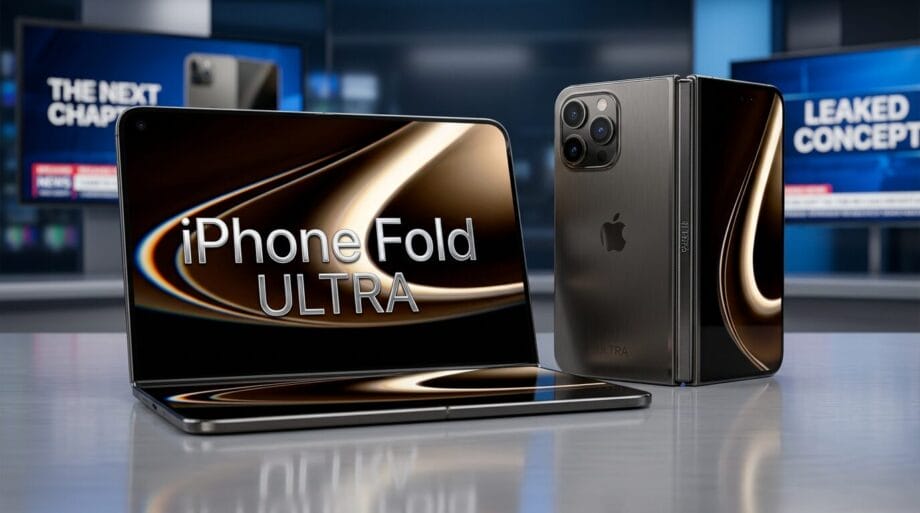
Where Apple Might Alter the Narrative
Before dismissing this appraisal entirely, it is crucial to consider an important caveat: Apple products tend to retain their value better than those of competitors.
The iPhone 16 series, for example, retained 51.5% of its value after one year—the highest among manufacturers studied. The depreciation rates of other brands were significantly lower:
- Apple (iPhone 16): 51.5%
- OnePlus: 46.8%
- Google: 40.8%
- Samsung: 39.5%
- Motorola: 24.5%
The figure associated with Motorola is particularly concerning.
If the foldable iPhone were to depreciate at the same rate as the iPhone 16, SellCell posits that its value would reach around $1,030 after one year—more than $300 less in depreciation compared to the average foldable.
A Pragmatic Perspective
In reality, depreciation figures are likely to align more closely with Apple’s track record than with the bleak average for foldables. The base model iPhone 16 sustained 51.4% of its value, and the 256GB iPhone 16 Pro Max maintained an impressive 56.4% after a year.
Yet, despite these encouraging figures, even a favorable resale value cannot entirely offset the substantial initial price. A $2,000 device could still depreciate by around $1,000 after a year, reinforcing the idea that prospective buyers should focus on longevity of use rather than resale prospects.
The takeaway? If you’re considering the first foldable iPhone, let your motivation stem from its utility rather than future resale intentions. As a pioneering, high-end foldable device, it will inevitably experience depreciation, as with its predecessors. Although Apple’s resale dynamics may cushion the impact, they cannot prevent a decline.
Source link: Wi-fiplanet.com.