Apple Alerts Users of Mercenary Spyware Threats
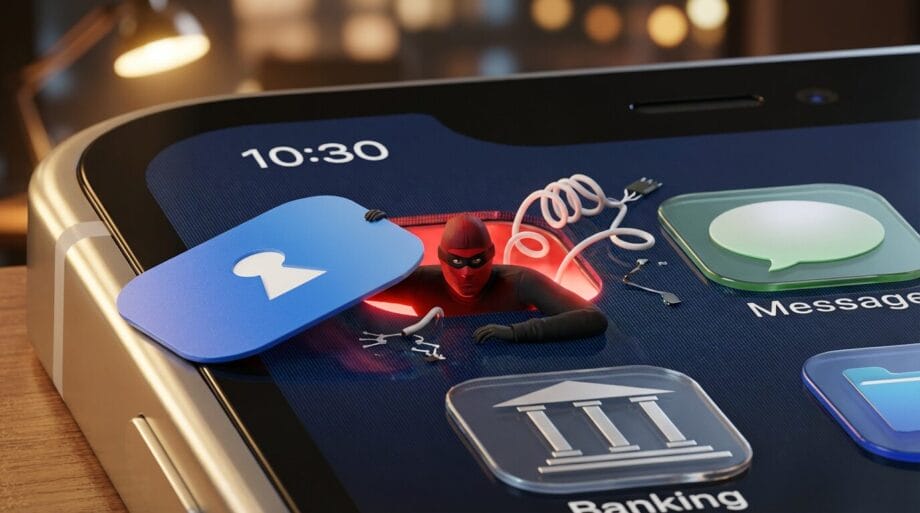
Apple has issued a cautionary message to its users regarding potential targeting by mercenary spyware.
This week, the tech giant disseminated notifications to individuals in 110 countries, with alerts prominently displayed on the iPhone’s lock screen and within the Settings menu, thereby ensuring heightened visibility.
These advisories serve to inform users about the detection of mercenary spyware attacks and to outline recommended security measures.
In an updated support note released on August 13, Apple details that these notifications are intended to assist individuals who may have been specified targets of mercenary spyware.
According to the company, these types of attacks surpass standard cybercriminal activities in sophistication and can impose substantial financial repercussions, focusing on a select group of individuals.
Fortunately, Apple reassures the broader public that the vast majority will never be subjected to such targeted threats.
High-Profile Attacks Linked to Advanced Spyware
Apple explains that historically, such attacks are intertwined with state-sponsored actors and private firms that develop spyware for governmental use.
The infamous Pegasus spyware is referenced as an emblematic example. The victims of these insidious attacks tend to include journalists, activists, political figures, and diplomats.
However, Apple has distinctly stated that individual notifications are not correlated with specific attackers or geographic regions.
Detection of Mercenary Spyware
Detection of mercenary spyware is facilitated through Apple’s proprietary threat intelligence and ongoing investigative efforts.
The company characterizes these notifications as “high-confidence alerts,” while also noting the inherent limitations in absolute certainty regarding every case.
Notably, Apple refrains from disclosing the specific criteria used to identify potential threats. This discretion is intended to prevent malicious actors from circumventing detection methods.
Since 2021, Apple has periodically issued these alerts, having informed users across more than 150 nations.
Enhanced Notifications on iPhone
While Apple has been sending such notifications for several years, recent updates have introduced a feature that displays alerts directly on the iPhone’s lock screen.
Additionally, these warnings are also accessible within the Settings section. The underlying objective of this modification is clear: to ensure the notifications garner immediate attention, thereby allowing users to swiftly ascertain actionable next steps.
Furthermore, Apple also sends an accompanying email to the address linked to the user’s Apple account, wherein a notification is prominently displayed at the top of the account page.
The notification informs users of the detection of a “mercenary spyware attack targeting your iPhone” along with precautions to safeguard both data and device integrity. Recommendations include activating Lockdown Mode and consulting experts if necessary.
Beware of Phishing Attempts
Apple emphasizes the importance of vigilance regarding fraudulent communications that may mimic these legitimate alerts.
A genuine message from Apple about a security threat will never request users to click on links, open files, install applications, or provide their Apple account password or verification code. The company is insistent on clarifying this point to ensure users are well-informed and cautious.
Source link: Thehansindia.com.