The iPhone 5C, an inexpensive plastic-bodied iteration of Apple’s iconic smartphone unveiled in September 2013, initially faltered in the market due to its relatively high pricing.
Surprisingly, this once-unpopular model has recently regained traction among the youth demographic, largely attributed to its unique photographic qualities that evoke nostalgia.
Data from Compare and Recycle indicates a staggering 405-fold increase in searches for the phrase “buy iPhone 5C” over the past year.
Of particular note, inquiries concerning the device’s camera module have skyrocketed by over 1,800%. This resurgence is fundamentally linked to the current aesthetic preferences of younger consumers, who are gravitating towards an authentic capture style.
What draws Gen Z to a mere 8MP camera from 2013?
Modern smartphones are incessantly vying for supremacy via enhancements in resolution, HDR processing, and artificial intelligence features aimed at image refinement.
In stark contrast, an increasing number of young individuals are yearning for the unvarnished and honest character of photographs reminiscent of the earlier smartphone era.
The iPhone 5C, equipped with an 8MP sensor and imaging processing capabilities hailing from 2013, generates images imbued with a nostalgic essence, offering a striking departure from the hyper-resolution photographs typical of contemporary devices.
This phenomenon resonates deeply with the prevailing “retro” photography trend and the burgeoning “Y2K” aesthetic embraced by Gen Z.
As reported by BGR, the iPhone 5C’s resurgence is not a solitary instance. Sales of Canon’s PowerShot compact camera series have witnessed an astronomical increase, nearly sevenfold, between 2022 and 2025.
Furthermore, a multitude of vintage gadgets—such as iPods, Walkman music players, and the earliest digital cameras—are experiencing remarkable revivals.
While affordable, used phones present challenges as primary devices.
Now 13 years post-launch, the pre-owned iPhone 5C is incredibly wallet-friendly, trading in the United States for approximately $30 to $70 based on condition and storage capacity. In Vietnam, this model is available in online marketplaces for about 200,000 to 500,000 VND.
It is vital to note that the iPhone 5C is no longer suited to serve as a primary device. Having ceased software updates at iOS 10.3.3 in 2017, it struggles to support many contemporary applications.
Its enduring allure resides in the unique photographic experience it offers, reminiscent of a bygone technological era.
Reflecting on 2013: The pricing strategy that hindered the iPhone 5C.
The iPhone 5C signified a pivotal moment for Apple, marking the company’s first simultaneous launch of two new models.
The iPhone 5s was positioned as the premium option featuring a Touch ID fingerprint sensor and an A7 chip, while the 5C aimed at a younger audience with its colorful polycarbonate casing.
Yet, the pricing strategy proved problematic. In the United States, the 16GB iPhone 5C retailed for $549 and the 32GB variant for $649, while the iPhone 5s started at $649, merely $100 more. This narrow price differential diminished the iPhone 5C’s appeal as an economical alternative.
Moreover, the device showcased minimal innovation, employing an A6 chip, an 8 MP rear camera, and a 4-inch display—features virtually identical to those of the iPhone 5.
| Criteria | iPhone 5C | iPhone 5s |
|---|---|---|
| Target Audience | Polycarbonate casing, youthful appeal, available in five vibrant colors | Premium model featuring Touch ID |
| Processor | A6 | A7 |
| US Starting Price | $549 (16 GB model) | $649 |
| Production Adjustments for October 2013 (DisplaySearch) | Decreased by 35% | Increased by 75% |
Insights from the supply chain and CEO Tim Cook’s revelation.
Merely a month subsequent to its release, Apple allegedly directed its supply chain to scale back production of the iPhone 5C.
According to a DisplaySearch report from October 2013, orders for this model fell by 35%, while production for the iPhone 5s was increased by an impressive 75%.
By January 2014, CEO Tim Cook conceded that demand for the iPhone 5s surpassed expectations, while interest in the iPhone 5C was disappointingly lower than forecasted.
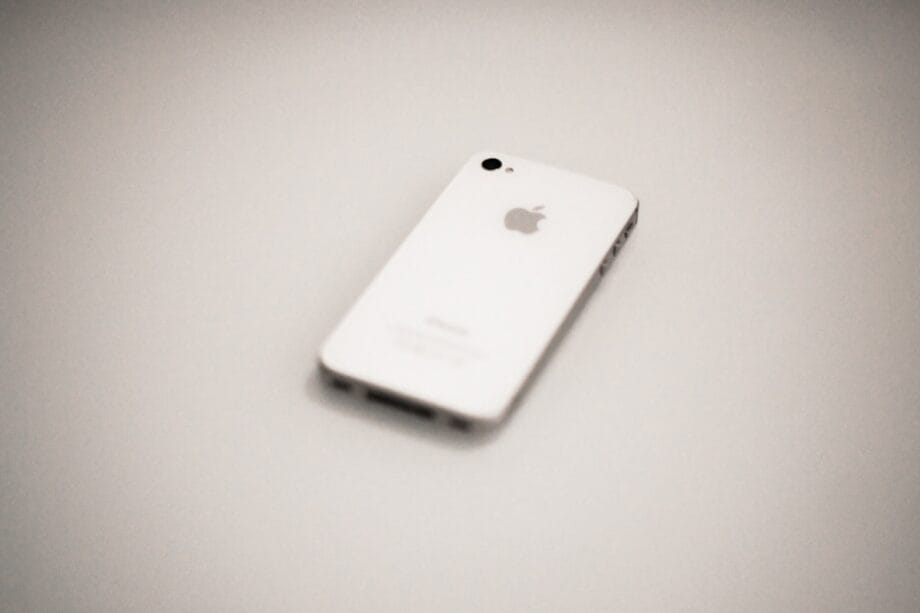
The evolution of the iPhone, which once struggled to find its niche 13 years ago, is now being rediscovered by younger generations precisely for its technological constraints—a phenomenon that modern smartphones continuously endeavor to transcend.
Source link: Vietnam.vn.