Quick Summary
SaaS-based software development is evolving rapidly, driven by innovations such as cloud-native architectures, microservices, AI and machine learning, low-code platforms, edge computing, blockchain, and API-first development. Businesses are increasingly adopting vertical SaaS solutions, multi-cloud strategies, and data-driven applications to improve scalability, flexibility, and user experiences.
As cybersecurity remains a top priority, SaaS providers are investing heavily in advanced security measures and compliance. To stay competitive, organizations should embrace agile development, DevOps, CI/CD pipelines, user-centered design, and robust security practices. The future of SaaS will be defined by greater automation, personalization, interoperability, and innovation, enabling businesses to deliver smarter, faster, and more scalable software solutions.
Introduction
SaaS (Software as a Service) has transformed the software market by offering companies flexible, scalable, reasonably priced solutions. SaaS offers improved accessibility and lets users access applications over the internet, therefore removing the need for infrastructure administration, unlike more conventional software models.
The expected CAGR for the global SaaS market from 2023 to 2030 is 13.7%. Demand for SaaS development tools continues to rise as companies increasingly adopt SaaS solutions.
This need has spurred creativity, resulting in new trends and best practices that will define future SaaS-based software development. This article discusses the latest SaaS development trends, breakthroughs, and best practices redefining the future of SaaS apps.
Key Trends in the Future of SaaS Development

The future of SaaS development is being shaped by several key trends. Businesses and developers trying to keep ahead of their competitors depend on an awareness of these trends.
The move toward cloud-native architectures has transformed the construction of SaaS applications. Building programs from the ground up that are cloud-native – that is, fit for the cloud – is known as cloud-native development. These uses leverage the scalability, adaptability, and resilience of the cloud.
Furthermore, taking center stage is the acceptance of microservices architecture. Microservices let developers split apart massive, monolithic projects into smaller, autonomous services.
By leveraging full-cycle software development services, companies can utilize this architecture to create more agile and scalable solutions. This modular approach makes it easier to scale, deploy, and maintain services independently, enabling faster development cycles and greater system flexibility.
AI and Machine Learning Integration
The functionality of SaaS apps is changing thanks to artificial intelligence and machine learning. SaaS platforms incorporate these technologies to enhance automation, deliver real-time data, and improve client experiences. By analyzing enormous volumes of data, machine learning techniques can provide insights and predictions that were previously impossible.
Using artificial intelligence, SaaS businesses can build smarter apps that adapt to user activity. As more companies see how artificial intelligence could propel efficiency and personalization, this tendency could expand.
The Rise of Low-code Development Platforms
Low-code development platforms are another trend influencing the future of SaaS. Low-code systems let non-technical users build and run applications with minimal coding, therefore facilitating their access.
These systems help companies to lower expenses, speed up the development process, and empower more people to help to create applications. Particularly as the desire for faster time-to-market rises, low-code platforms’ appeal should only expand.
Enhanced Focus on Cybersecurity
As SaaS apps proliferate, so does the necessity for strong security policies. Given the rising number of cyber threats and data breaches, SaaS companies prioritize cybersecurity.
Using encryption, multi-factor authentication, and frequent security updates helps SaaS providers guarantee their apps are safe. Growing security issues drive companies to seek SaaS solutions that prioritize data security.
The Growth of Vertical SaaS Solutions
Conventional SaaS systems have focused on providing horizontal solutions suited to a wide spectrum of sectors. Still, vertical SaaS solutions – which are catered to particular sectors or businesses are becoming more and more popular.
According to statistics, around 78% of small businesses have invested in SaaS development solutions.
Vertical SaaS offers tools, industry-specific capabilities, and integrations that address the distinct needs of specific markets.
Other sectors include retail, banking, and healthcare. As businesses demand more personalized solutions, vertical SaaS will play an increasingly important role in SaaS development best practices.
Innovations Driving the Future of SaaS
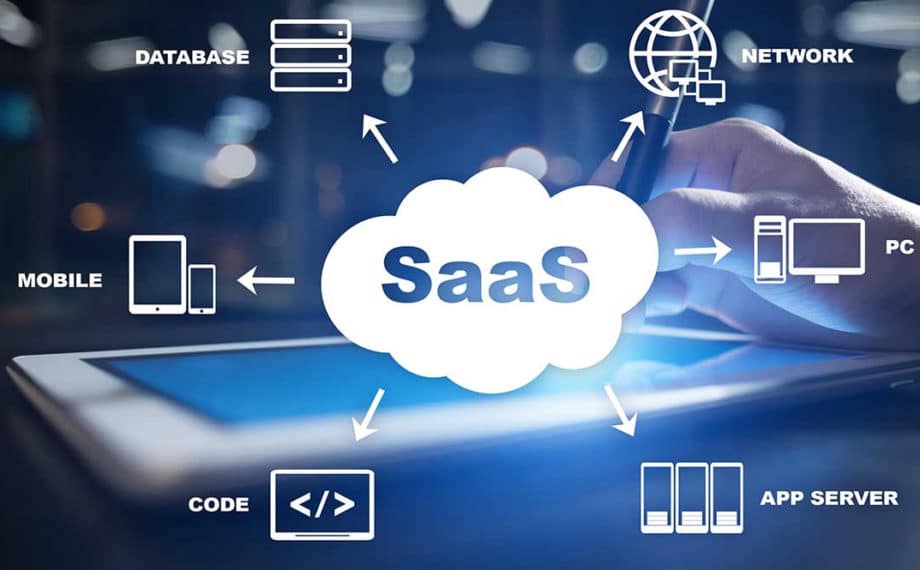
SaaS continues to evolve, thanks in great part to innovation in technology and development practices. The following developments are guiding SaaS evolution toward:
API-first Development
Modern SaaS apps now center on API-first development as a pillar. Under this strategy, APIs are created and built before the front end or user interface. Since APIs can be easily integrated with multiple platforms and services, this provides greater freedom.
Faster development cycles, scalability, and interoperability are the only benefits of API-first development. API-first programming will become increasingly important for delivering flawless experiences as companies rely more on interfaces with other solutions.
The Role of Blockchain in SaaS
Blockchain technology extends beyond cryptocurrencies. Through improved security, openness, and trust, it could transform SaaS software development services.
Blockchain guarantees regulatory compliance, safeguards sensitive data, and ensures transaction security. Blockchain-based smart contracts also help automate procedures, thereby reducing the need for middlemen and increasing efficiency. The role blockchain technology plays in SaaS development will continue to grow as it advances.
Edge Computing and Its Impact on SaaS
A developing technology called edge computing brings computation and data storage right near the data source. Edge computing reduces latency and bandwidth usage, thereby enhancing performance within the SaaS framework.
Especially for sectors that depend on real-time processing, such as IoT and autonomous cars, SaaS apps can provide faster response times and more dependable services by processing data at the network edge.
Data-driven Application Development
For companies, data is now a great advantage, and SaaS apps are increasingly constructed using data-driven techniques. Through gathering and evaluating user information, SaaS systems can provide tailored experiences and enhance decision-making.
Data-driven application development is the ongoing improvement of the efficiency and usefulness of SaaS applications through data analytics and artificial intelligence. This innovation allows companies to remain flexible and responsive to consumer needs.
Multi-cloud and Hybrid Cloud Strategies
Seeking flexibility and risk reduction, companies are increasingly adopting multi-cloud and hybrid cloud solutions. These techniques enable companies to integrate public and private clouds or use multiple cloud providers to maximize security, performance, and cost efficiency.
Meeting consumer needs for SaaS providers depends on supporting multi-cloud and hybrid cloud implementations. As companies pursue greater control over their cloud systems, this trend will continue to expand.
SaaS Development Best Practices to Follow

Some best practices must be followed as the SaaS landscape evolves to ensure the success of SaaS projects. The following are some main guidelines developers ought to follow:
Embrace Agile Methodology
Agile development is a technique stressing iterative development, teamwork, and adaptability. Using an agile methodology helps SaaS development teams stay flexible in response to changing market needs, consistently provide updates, and address consumer feedback.
Faster development cycles, better collaboration, and the capacity to meet challenges – all of which agile methods encourage – are outcomes of their application. In the fast-paced SaaS environment, where consumer expectations and market conditions can shift quickly, this strategy is highly effective.
Invest in User-centered Design
The success of SaaS systems depends heavily on user experience (UX). Emphasizing the development of simple, user-friendly interfaces, SaaS developers must prioritize user-centered design.
Investing in UX design ensures that users can quickly navigate the program and accomplish their objectives with minimal effort. Higher user happiness, less turnover, and more client retention follow from this.
Ensure Scalability and Performance
The scalability of SaaS is one of its key benefits. Building SaaS apps with scalability in mind will help you meet rising user bases and higher workloads.
Applications should be designed by developers either vertically, by increasing the capacity of existing resources, or horizontally, by adding more instances of a service. Delivering speedy, dependable services also depends on performance optimization, particularly for applications with great user demand.
Prioritize Security and Data Privacy
In SaaS development, security and data privacy are non-negotiable. Strong security policies must be followed by SaaS providers to safeguard private information and guarantee regulatory compliance with HIPAA and GDPR.
Implementing access restrictions, encrypting data both in transit and at rest, and routinely updating security methods to address evolving concerns constitute best practices.
Continuous Integration and Deployment (CI/CD)
Automating the integration of code changes, testing, and application deployment is a core capability of CI/CD pipelines, which lets SaaS development teams guarantee fast and effective release of new features and updates.
CI/CD ensures applications are always up to date, reduces the risk of human error, and automates testing and deployment processes, thereby promoting faster delivery of high-quality software.

The Evolution of DevOps in SaaS Development
By encouraging a culture of cooperation between development teams and IT operations, DevOps – a mix of development and operations – has been quite helpful for SaaS development. By automating chores, enhancing communication, and removing obstacles, DevOps’ adoption in SaaS has accelerated the development lifecycle.
DevOps techniques ensure that teams in SaaS development can continuously deliver improvements without compromising the end-user experience. Widely embraced to handle code integration, testing, and deployment are automation systems such as Jenkins, Docker, and Kubernetes.
The application of infrastructure as code (IaC) is fundamental for DevOps in SaaS. With IaC, developers can control and provision cloud infrastructure with code rather than manual tools. This enables fast scaling, reduces human error, and increases efficiency.
The need for DevOps to maintain continuous integration and delivery will become even more crucial as SaaS applications become more complex. This helps companies bring fresh innovations to market, maintain security patches, and respond to customer feedback.
Customer-centricity and Personalization in SaaS
Today’s SaaS ecosystem is becoming more customer-centric. Providing customized, bespoke experiences is a major emphasis, as more SaaS companies prioritize client happiness.
Using user data and analytics, SaaS firms today can better grasp consumer preferences, behaviors, and pain areas. This helps them to provide tailored solutions, individualized onboarding, and pertinent product suggestions.
Customizing SaaS not only increases user engagement but also helps lower churn rates, since consumers are more likely to stick with a product if they believe it meets their specific requirements. As companies aim to establish closer ties with their consumers, this hyper-personalization trend will continue to influence the direction of SaaS.
Conclusion

The future of SaaS is filled with exciting opportunities and innovations that will continue to shape the software industry. Low-code platforms, artificial intelligence integration, and edge computing – all of which reflect trends – have given SaaS developers more tools than ever to construct scalable, flexible, and safe applications.
Following best practices – that is, prioritizing user-centered design, adopting agile development, and emphasizing security – allows SaaS companies to meet the evolving needs of businesses and consumers. Maintaining success in the competitive software business will depend on staying ahead of these trends as the SaaS landscape evolves. Driven by rapid technological growth and the shifting needs of the digital age, SaaS-based software development promises to be dynamic and creative.


