Quick Summary
Artificial intelligence and computer vision are transforming modern parcel operations by replacing manual processes with intelligent automation. Computer vision automatically captures information from shipping labels, barcodes, and QR codes, while AI organizes this data, matches parcels to recipients, sends notifications, and streamlines routine workflows. Together, these technologies improve accuracy, reduce administrative effort, and provide real-time visibility into every package throughout its lifecycle.
Beyond faster processing, AI-powered parcel systems strengthen security, accountability, and decision-making through digital records, audit trails, and operational insights. As parcel volumes continue to grow across workplaces, residential communities, and educational institutions, these technologies help organizations scale efficiently, maintain consistent service, and prepare for future innovations in intelligent parcel operations.
Introduction
Parcel volumes continue to rise as businesses receive more supplier shipments, customer returns, office equipment, and employee deliveries than ever before. Managing these packages efficiently requires more than manual logs and spreadsheets. Organizations are increasingly adopting artificial intelligence (AI) and computer vision technologies to streamline parcel handling, improve accuracy, and reduce administrative workloads.
These technologies automate repetitive processes, capture delivery information with greater precision, and provide real-time visibility into every package from arrival to collection. As parcel volumes continue to increase across workplaces, educational institutions, residential communities, and commercial facilities, AI and computer vision are helping modernize parcel operations while supporting long-term efficiency and scalability.
Why Traditional Parcel Management is Becoming Less Effective
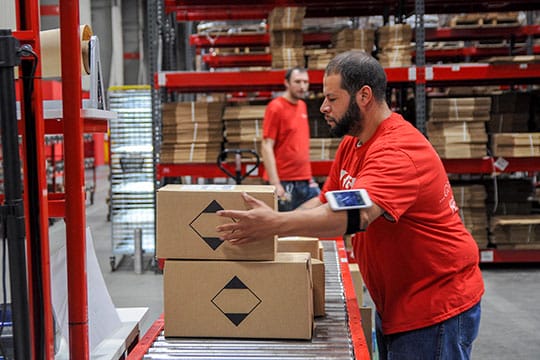
As parcel volumes grow, manual processes become increasingly difficult to maintain.
Recording delivery information by hand, searching for misplaced packages, and manually notifying recipients require significant time and create opportunities for human error. Even small mistakes can result in delayed collections, lost packages, unnecessary follow-up, and reduced operational efficiency.
Common challenges include:
- Manual data entry.
- Lost or misplaced packages.
- Delayed recipient notifications.
- Inaccurate delivery records.
- Limited parcel visibility.
- Time-consuming administrative tasks.
- Difficulty managing increasing delivery volumes.
These issues become even more pronounced in organizations that process dozens or hundreds of deliveries every day. Without digital tools to organize parcel information, administrative workloads continue to increase as operations expand.
How Computer Vision Improves Parcel Processing
Computer vision enables software to interpret visual information captured through cameras or mobile devices.
Within parcel operations, this technology can automatically recognize shipping labels, tracking numbers, barcodes, QR codes, and recipient details. Instead of requiring staff to enter delivery information manually, the system extracts relevant data and records it electronically.
This significantly reduces the time required to process incoming deliveries while minimizing typing errors and incomplete records.
Computer vision also improves consistency by applying the same recognition process to every incoming parcel. This standardized approach helps organizations process deliveries more efficiently regardless of parcel volume.
AI Automates Routine Workflows
Artificial intelligence complements computer vision by analyzing captured information and automating routine operational tasks.
After delivery details have been recorded, AI can help:
- Match parcels to recipients.
- Trigger automated notifications.
- Detect incomplete delivery records.
- Identify duplicate entries.
- Prioritize package processing.
- Organize operational data for reporting.
Rather than relying on staff to perform every administrative task manually, AI helps move packages through structured digital workflows with greater speed and consistency.
| Traditional Parcel Management | AI-Assisted Parcel Management |
| Manual data entry | Automated data capture |
| Paper delivery logs | Digital parcel records |
| Manual notifications | Automated recipient alerts |
| Time-consuming searches | Instant parcel lookup |
| Reactive issue resolution | Intelligent workflow optimization |
Better Accuracy Through Intelligent Data Capture
Accurate parcel records are essential for maintaining efficient operations.
Computer vision reduces manual data entry by automatically extracting information from shipping labels and delivery documentation. AI can then validate the captured information, helping identify missing or inconsistent data before it creates operational problems.
This combination improves:
- Delivery record accuracy.
- Recipient identification.
- Tracking information.
- Package traceability.
- Processing consistency.
Fewer manual touchpoints also reduce administrative effort while improving confidence in delivery records.
When AI and computer vision work together, every package becomes easier to process, locate, and manage.
Real-Time Visibility Across Every Delivery
Visibility is one of the greatest advantages of intelligent parcel operations.
AI-powered systems maintain a complete digital history for every package, recording when it arrived, where it is stored, whom it belongs to, and when it was collected.
Staff can quickly locate parcel information without searching through paper logs or spreadsheets, while managers gain a clearer understanding of parcel activity across the organization.
Understanding the broader principles of parcel management can also provide useful context when evaluating these technologies. From receiving and tracking deliveries to recipient notification and collection, effective parcel management practices help organizations improve accountability and streamline package handling throughout the delivery lifecycle.
Improved visibility strengthens chain-of-custody records, reduces misplaced packages, and enables staff to answer delivery inquiries much more quickly.

Strengthening Security and Accountability
As organizations digitize parcel operations, protecting delivery information becomes increasingly important.
AI-powered parcel management platforms typically support role-based permissions, digital audit trails, and secure delivery records. Every package movement can be logged automatically, providing greater transparency throughout the parcel lifecycle.
Digital records also make it easier to investigate delivery disputes or verify when a parcel was received, stored, or collected. Instead of relying on handwritten logs, organizations have access to searchable records that improve accountability while reducing administrative effort.
These capabilities are particularly valuable for workplaces that regularly handle sensitive documents, high-value equipment, or confidential deliveries.
Integrating AI with Existing Workplace Systems
Parcel management rarely operates in isolation.
Many organizations integrate parcel operations with employee directories, visitor management systems, building access controls, notification platforms, and other workplace technologies. AI can help synchronize information between these systems, reducing duplicate data entry while improving operational efficiency.
For example, recipient information can be automatically matched to employee records, while notification systems can alert recipients as soon as packages are processed. These integrations reduce delays and help ensure that parcel information remains consistent across different departments.
A connected workplace benefits from connected information, allowing staff to manage deliveries with fewer manual processes.
Supporting Faster Decision-Making
AI does more than automate daily tasks. It also analyzes operational data to identify trends and opportunities for improvement.
Parcel management systems can provide insights into:
- Daily parcel volumes.
- Average processing times.
- Collection turnaround.
- Outstanding deliveries.
- Peak delivery periods.
- Workflow efficiency.
Managers can use this information to optimize staffing levels, improve parcel handling procedures, and prepare for periods of higher delivery activity.
Rather than relying solely on historical reports, organizations gain access to continuously updated operational information that supports faster, data-driven decision-making.
Preparing for Higher Parcel Volumes
Parcel volumes continue to grow due to e-commerce, hybrid work environments, supplier deliveries, and employee package shipments.
Organizations need processes that can adapt without creating additional administrative burdens. AI and computer vision provide scalability by automating many of the repetitive tasks associated with receiving, documenting, and distributing parcels.
During seasonal peaks or periods of rapid organizational growth, intelligent automation allows staff to process more deliveries while maintaining consistent accuracy and visibility.
This scalability helps organizations improve operational resilience without significantly increasing manual workloads.
The Future of Intelligent Parcel Operations
Artificial intelligence continues to evolve, bringing new opportunities for parcel operations.
Future developments may include more advanced optical character recognition, predictive analytics that anticipate delivery patterns, automated exception handling, and deeper integration with smart buildings and autonomous delivery technologies.
As these capabilities mature, organizations will have access to even more accurate operational insights while reducing repetitive administrative work.
Although technology will continue to evolve, the primary objective remains the same: improving efficiency, accuracy, and visibility throughout the parcel lifecycle.
Preparing for the Future of Parcel Management

As organizations continue to receive higher volumes of deliveries, efficiency and accuracy will become increasingly important.
AI and computer vision provide practical solutions by reducing manual work, improving data quality, increasing operational visibility, and supporting more consistent parcel handling processes. Together, these technologies enable organizations to adapt to growing delivery volumes while maintaining reliable records and efficient workflows.
As digital transformation continues across industries, AI and computer vision are becoming valuable tools for building parcel operations that are more intelligent, scalable, and prepared for future demands.


