Quick Summary
AI is reshaping the hospitality industry by making guest experiences more personal, seamless, and proactive. From AI-powered personalization and 24/7 chatbots to smart pricing, frictionless check-ins, predictive maintenance, and real-time feedback analysis, hotels are using AI to anticipate needs and reduce friction at every touchpoint.
Rather than replacing human services, AI empowers staff to focus on meaningful interactions while automation handles routine tasks. The future of hospitality lies in ethical, transparent AI that blends technology with human warmth to deliver memorable, effortless stays.
Introduction
You may not realize it as you walk into a modern hotel today, but artificial intelligence (AI) is already making your stay more comfortable, more personal, and more memorable. From the moment a guest goes online to search for a room to the moment he or she checks out, AI is quietly redefining how hospitality brands perceive, serve, and delight their customers.
In the hospitality industry, there has always been one constant: guest experience. The difference lies in the scale and complexity of guest expectations. Customers now expect personalized services, instant responses, digital interactions, and consistency across all touchpoints. To meet these demands, hotels increasingly rely on hospitality software development powered by AI to streamline operations while delivering more meaningful guest experiences.
Here is a thorough examination of the way AI is changing the guest experience- now and in the future.
The Power of Personalization at Scale

Personalization has traditionally relied on conscientious employees and handwritten notes. Today, AI-driven software development takes personalization a step further by processing large volumes of data such as past bookings, guest preferences, loyalty records, search history, and even behavioral signals – to deliver highly tailored digital experiences.
This is where custom AI solutions enable hospitality businesses to build intelligent, data-driven platforms that go beyond manual personalization.
AI-powered systems can:
- Suggest room types, facilities, or packages based on past booking behavior.
- Automatically adjust room amenities such as temperature, lighting, or entertainment preferences.
- Recommend restaurants, spa treatments, or local activities aligned with guest interests.
For example, a well-engineered AI system can assign a quiet, high-floor room with fast check-in for frequent business travelers, while offering kid-friendly activities and adjoining rooms to family guests. Such personalization is made possible through scalable software development, system integrations, and intelligent automation.
AI Chatbots and Virtual Concierges: 24/ 7 Guest Support
“The front desk never sleeps now; a chatbot keeps the lights on. It answers pricing and booking in a blink, and handles a thousand guests at once.”Booking.com
The most obvious examples of AI use in hospitality are virtual concierges and AI-based chatbots. These applications currently handle a large share of interactions with guests across websites, mobile applications, and messaging channels.
AI chatbots can:
- Instant answer booking and pricing.
- Manage reservation modification or cancellation.
- Give instructions, arrival times, and hotel policy.
- Suggest local restaurants, attractions, or events.
There is no 24/7 coverage as with a human worker; AI assistants are always on-call, instant, and can handle thousands of conversations at the same time. More sophisticated systems or algorithms apply natural language processing (NLP) to grasp context, intent, and tone, making conversations feel more human than machine.
Critically, AI does not mean that human service gets eliminated; it is enhanced. Complicated or emotionally intensive requests are effectively handed over to staff so that they can concentrate on high-value, personalized interactions.
Smart Booking Travels and Dynamic Pricing
The AI is also transforming the way guests explore and acquire hospitality services. The machine learning models are used to analyze demand of the moment, seasonal demand, competitor prices, local activities, and booking trends to set room rates optimally.
For guests, this results in:
- More applicable offers and packages.
- Individual promotions based on travel behavior.
- Quick and easier booking processes.
Recommendation engines powered by AI can propose add-ons at the right time in the booking process, such as breakfast deals, airport transfers, or late checkout, making it more convenient for customers and more profitable for hotels.
Faultless Check-In, Check-Out, and In-Stay Experiences
“Personalized guest experiences now rely heavily on data-driven AI.”Telliant Systems
Whether at the check-in desks or elsewhere, long queues are rapidly becoming a thing of the past. AI-supported systems now have the following features:
- Digital room keys and Mobile check-in.
- Identity verification (where applicable in regulations) or facial recognition.
- Billing real-time and automated check-out.
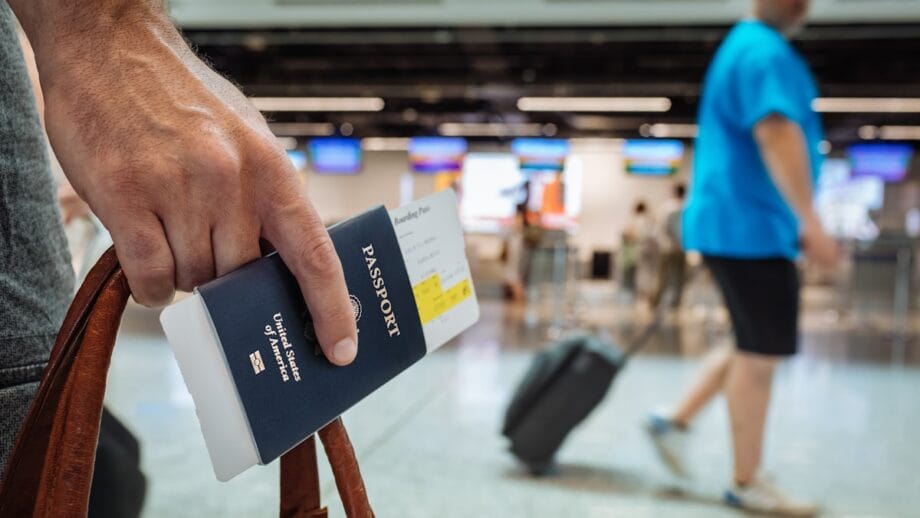
The AI is installed in the hotel, along with Internet of Things (IoT) devices, to create a comfortable, convenient atmosphere. Smart rooms can learn about guests’ preferences over time, automatically adjusting the lighting, climate, and entertainment systems. Voice assistants enable guests to order towels, room service, or information without using the telephone.
The outcome is a hassle-free stay, with guests empowered and assisted without unwarranted disturbances.
Predictive Service: Solve These Issues Before Guests See
Predictive intelligence is one of the strongest AI assets for guest experience. AI can predict problems before they affect guests by analyzing operational data.
Examples include:
- Anticipating repair of the HVAC systems or elevators.
- Determining which rooms may have problems depending on their usage.
Predict Peak Times
To the guest, it translates to fewer interruptions, quicker resolutions, and a stay that is always more pleasant. Issues are dealt with in advance and not in response- a feature of quality hospitality.
Improving the Guest Feedback and Reputation Management
Guest reviews have been a defining part of the hospitality industry, and AI has fundamentally changed how feedback is gathered, interpreted, and responded to.
Sentiment analysis tools that are based on AI can:
- Reviews are examined across multiple sites simultaneously.
- Identify frequent pain areas and service gaps.
- Identify the emotions and urgency in the guests’ comments.
Rather than spending time and money reading thousands of reviews, hotel managers get actionable insights into what guests appreciate and what needs improvement. Some systems push automated recovery efforts, such as an apology or an offer, after noticing negative feedback. This is a data-driven method that enables brands to improve the guest experience and safeguard their online reputation continuously.
Training Employees to be Empowered
“The warmest service starts when the busywork ends. Train people to lead the moment, and let AI clear the desk.”SHRM Business
One myth is that AI removes the human touch in hospitality. However, in reality, things are the opposite; they are usually true. AI liberates people to spend more time on the important interactions with guests by automating the repetitive and administrative tasks.
AI can support staff by:
- Offering real-time profiles and preferences of guests.
- Suggesting alternative best courses of action in service exchanges.
- Lessening the number of manuals, including data entry and scheduling.
The employees will be able to provide warmer, more attentive service once they are given better tools and insights, thereby enhancing the emotional aspect of being associated with great hospitality.
Ethical, Privacy, and Trust Considerations
Hospitality brands must balance innovation and responsibility as AI is increasingly integrated into their guests’ experiences. Visitors are becoming more concerned about how their information is gathered and used.
Key considerations include:
- Open data use policies.
- Effective and robust practices of cybersecurity and data protection.
- Observance of law and privacy requirements in the region.
- Providing control to guests on the features of personalization.
Hospitality is built on trust, and AI strategies should be developed with ethics and transparency at their core.
The Future of AI in Hospitality
In the future, AI will evolve further to become anticipatory experience platforms rather than reactive tools. We can expect:
- Multi-trip, multi-destination journey hyper-personalization.
- Greater interconnection of AI, IoT, and intelligent infrastructure.
- Emotion-sensitive systems that provide precog services based on the guest’s feelings.
The most successful hospitality brands will be those that see AI as a means of multiplying guests’ experiences, not cutting them off, rather than those that increase levels of human interaction.
Conclusion

AI is not a far-off idea when it comes to hospitality – it is a dynamic entity that is changing the nature of how clients learn about, book, experience, and recollect their accommodations. AI is assisting hospitality brands in overcoming emerging demands in an intensely competitive, experience-oriented market through the personalization of scale, real-time service, predictive operations, and empowered employees.
The best thing about AI is that it feels like technology. It is as though a hotel knows you – anticipates your needs, values your time, and makes all your stays painless. That is the real change the AI will make to the hospitality industry.