Apple Unveils the iPhone 16e: A Pivotal Shift in Smartphone Strategy
Apple has embarked on a transformative restructuring of its smartphone lineup with the official introduction of the iPhone 16e.
This latest device is designed to replace the well-received iPhone SE, which has now been phased out, signaling a new benchmark for the company’s entry-level model, commencing at a price point of $599.
This strategic initiative seeks to thoroughly modernize Apple’s entry-level offerings, permanently discarding the traditional design elements associated with the home button and Touch ID fingerprint sensor.
With the introduction of the iPhone 16e, the company has also discontinued the iPhone 14 and 14 Plus, streamlining its portfolio to reflect a more coherent visual identity characterized by full-front displays and Face ID authentication.
Powered by the advanced A18 processor and fully compatible with Apple Intelligence—an array of novel artificial intelligence functionalities—the iPhone 16e aims to strike an optimal balance between cost and benefits.
The promise is one of cutting-edge performance coupled with formidable battery longevity, rendering it an enticing option for a diverse audience.
A New Era of Design in the Entry Model
The iPhone 16e marks a significant evolutionary leap in its design, forsaking the aesthetics that have long defined the SE lineage.
The most striking modification is the transition from a 4.7-inch display to a 6.1-inch Super Retina XDR screen, thereby aligning the device visually with Apple’s more premium offerings and enhancing the user experience through greater immersion.
This redesign cements the shift from Touch ID to Face ID as the standard method for user authentication.
Such a modification not only modernizes the device but also fortifies security while integrating it seamlessly into the gesture-based interaction framework prevalent across Apple’s current iPhone lineup.
By standardizing the design language, Apple facilitates a simpler user experience throughout its entire product range.
The elimination of the home button significantly enhances the display’s usability for media consumption, gaming, and app navigation, effectively addressing one of the key shortcomings of the former iPhone SE in the face of competition.
The New Price Positioning of Apple
With a starting price of $599, the iPhone 16e represents a substantial increase from its predecessor, which was priced at $429.
This shift reflects Apple’s departure from the paradigm of an ultra-affordable smartphone, focusing instead on an entry-level device replete with premium specifications that justify a greater investment and promise a more comprehensive and enduring user experience.
This new pricing strategy raises the barrier for entry into the brand’s ecosystem, yet offers a product that is aligned with contemporary technological advancements.
This pricing tier positions the iPhone 16e in direct competition with advanced mid-range smartphones from the Android spectrum, including devices like the Google Pixel 8a and select Galaxy A and Samsung models.
While rivals may currently provide AI features at lower prices, Apple is banking on the robustness of its integrated ecosystem, the seamless interaction between hardware and software, and a reputation for superior quality to entice consumers.
The synergy with MacBooks, iPads, and Apple Watches, combined with the efficiency of the A18 chip and commitments to long-term system upgrades, is are pivotal argument intended to draw in both new customers and those contemplating upgrades from older models.
Performance and the Arrival of Apple Intelligence
A notable distinction of the iPhone 16e is its incorporation of the A18 processor, the same chip that powers the flagship iPhone 16 series.
This integration enables complete compatibility with Apple Intelligence, an astute strategic move that grants access to the brand’s sophisticated AI capabilities without necessitating investment in Pro models, thereby democratizing technology within its ecosystem.
Through the new system, users will enjoy avant-garde tools, including the ability to eliminate unwanted elements from photos via simple commands, crafting personalized emojis sourced from textual descriptions (Genmoji), and a significantly more intelligent Siri assistant.
By equipping its entry model with these advanced functionalities, Apple not only solidifies its competitive stance in the realm of AI innovation but also accelerates the adoption of its new tools, cultivating a more engaged user base keen to explore the expanded software possibilities.
Improved Battery as Key Differentiator
One of the predominant grievances among iPhone SE users was the inadequate battery life, a concern that Apple has substantially rectified in the iPhone 16e. The new model promises considerably extended runtime, capable of sustaining up to 26 hours of continuous video playback.
This leap represents an impressive increase of over 85% compared to the 14 hours provided by its predecessor, evolving the device into a reliable partner for users reliant on their smartphones throughout the day.
This advancement arises from the amalgamation of the efficient A18 chip, a battery with enhanced physical capacity, and rigorous optimization between hardware and software—hallmarks of Apple’s engineering prowess.
For those upgrading from older models, this newfound autonomy will serve as a compelling rationale for the transition, alleviating concerns over frequent recharging during demanding usage.
Reorganization of the Apple Portfolio
The launch of the iPhone 16e has precipitated a comprehensive reorganization of Apple’s product lineup. In addition to phasing out the iPhone SE, the company has also removed the iPhone 14 and 14 Plus models from its official website, streamlining its portfolio to facilitate a more direct and intuitive consumer decision-making process.
This move signifies the definitive conclusion of an era marked by the classic design featuring the home button—an iconic element of the brand for over a decade.
Henceforth, all iPhones commercially available through Apple will share a modern visual identity characterized by edge-to-edge screens and Face ID as the standard for security and interaction.
Availability and Consumer Offerings
The iPhone 16e will commence pre-orders on February 21, with a broader launch in both physical and online retail spaces slated for February 28.
The entry-level model will debut with a storage capacity of 128 GB—double that of the previous iPhone SE—with options for 256 GB and 512 GB also available. Initial color selections will include black and white.
The Target Audience and Market Expectations
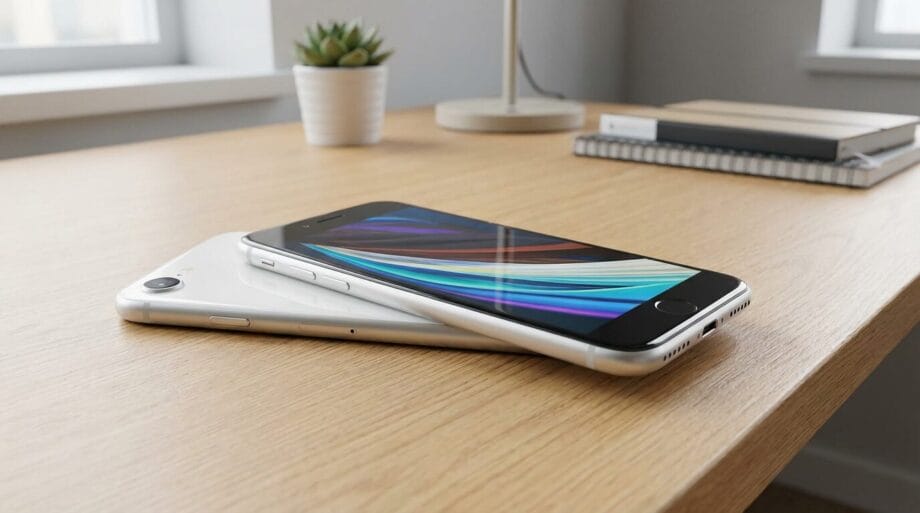
This device primarily targets users of older models, such as the previous generations of iPhone SE, as well as iPhone 11 and iPhone 12 owners, who seek significant improvements in performance, camera functionality, and, notably, battery life, without incurring the expenses associated with Pro models.
It also serves as a robust entry point for new users aspiring to join the Apple ecosystem with a contemporary device.
Despite the enhancements, the iPhone 16e faces the fundamental challenge of justifying its escalated price point.
The market’s reception to this cost increase will be pivotal to the success of Apple’s new strategy, which postulates that the combination of a state-of-the-art processor, superior display, enduring battery life, and advanced AI capabilities will be sufficient to persuade consumers of its intrinsic value.
Source link: Mixvale.com.br.