Apple is gearing up to make a substantial entry into the foldable smartphone arena with the eagerly awaited “iPhone Fold.”
Anticipated to launch as early as late 2024, this device symbolizes Apple’s inaugural foray into a fiercely competitive market currently presided over by industry giants such as Samsung and Huawei.
With an emphasis on exquisite design, cutting-edge materials, and seamless compatibility within the Apple ecosystem, the iPhone Fold aims to revolutionize the foldable smartphone experience.
By tackling the distinct challenges presented by foldable technology, Apple seeks to establish a new paradigm for innovation and usability.
Design and Display: A Synthesis of Form and Function
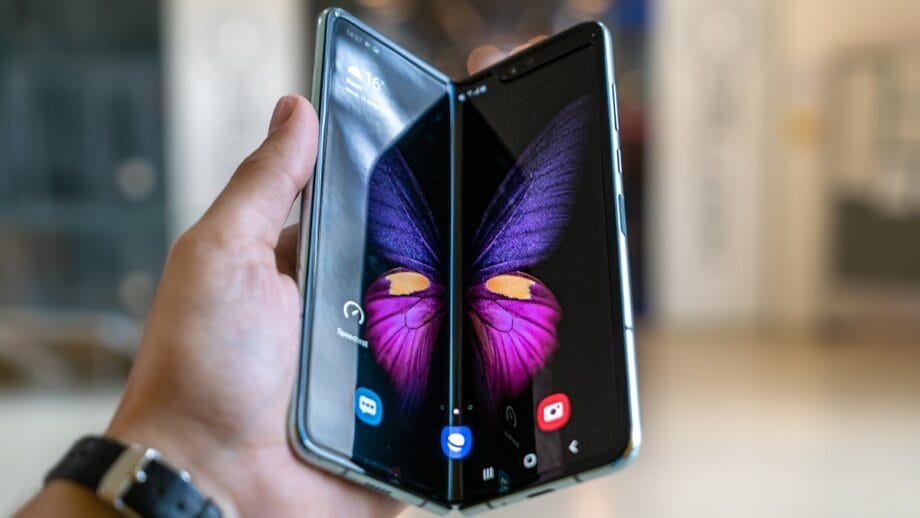
The iPhone Fold is projected to sport a book-style foldable design, merging a compact external display with a more expansive, tablet-like interior screen. This configuration offers adaptability, catering to both convenience and efficiency.
- The external display, measuring 5.49 inches, will feature a punch-hole camera, enabling swift access to notifications and basic interactions.
- The internal display, estimated to be between 7.76 and 8.3 inches, will utilize ultra-thin, crease-resistant glass, ensuring a smooth and resilient surface for multitasking and media viewing.
Apple’s design ethos accentuates both functionality and aesthetic appeal. The introduction of crease-free glass, coupled with advanced hinge technology, is set to redefine standards for foldable displays.
This commitment ensures durability while preserving a fluid user experience, making the iPhone Fold a standout in its domain.
Durability: Constructed for Longevity
Durability plays a pivotal role in foldable devices, and Apple is poised to deliver a robust solution. The iPhone Fold is expected to employ a fusion of titanium and aluminum, striking a balance between strength and lightweight composition. These materials enhance the device’s structural resilience while facilitating heat dissipation during prolonged usage.
Central to the device’s durability is an innovative liquid metal hinge, engineered to reduce display creasing and endure repeated folding.
This breakthrough directly addresses a prevalent issue faced by foldable smartphone users, ensuring the device remains both functional and aesthetically pleasing over time.
With these advancements, Apple aims to provide a foldable device that upholds the high expectations of quality and reliability synonymous with its brand.
Camera Technology: Where Innovation Meets Simplicity
The iPhone Fold is set to debut a 24 MP under-display internal camera, obviating the need for a visible notch or cutout on the inner screen. While this design choice sacrifices Face ID functionality, Apple compensates by reintegrating Touch ID, likely embedded within the power button for enhanced convenience.
On the rear, the device will feature a streamlined dual-camera configuration:
- A 48 MP primary sensor capable of capturing high-resolution photos and videos.
- An ultrawide lens, ideal for expansive landscapes and group photography.
Despite the omission of a telephoto lens, which may disappoint some photography aficionados, this configuration epitomizes Apple’s commitment to harmonizing form and function.
By simplifying the camera system, Apple ensures the device retains a sleek and user-friendly profile without compromising on essential capabilities.
Battery and Charging: Addressing Elevated Demands
Battery performance is a crucial consideration for foldable devices, and the iPhone Fold is anticipated to excel in this area.
With a battery capacity estimated between 5,400 and 5,800 mAh, the device is designed to meet the demands of its dual-display configuration, facilitating extended usage for work, entertainment, and multitasking.
The iPhone Fold will also support charging speeds of up to 35W, enabling rapid recharging comparable to other high-end iPhone models.
This combination of substantial battery life and efficient charging ensures that the device remains ready for all-day use, catering to both casual users and professionals alike.
Performance: Powering the Fold
At the core of the iPhone Fold lies the Apple A20 Pro chip, developed using cutting-edge 2nm technology. This processor guarantees substantial enhancements in both performance and energy efficiency, making it adeptly suited for the distinctive requirements of a foldable device.
Additional hardware highlights include:
- Integrated RAM for smooth multitasking and seamless app transitions.
- The C2 modem for superior 5G connectivity, delivering accelerated download speeds and increased network reliability.
These components are meticulously orchestrated to ensure the iPhone Fold furnishes a responsive and potent user experience, adept at managing everything from resource-intensive applications to everyday tasks effortlessly.
Software: Tailored for Multitasking
The iPhone Fold is expected to operate on a specialized version of iOS, meticulously optimized for multitasking, drawing inspiration from iPadOS.
This tailored software experience will incorporate features designed to maximize the capabilities of the foldable design.
- Split-screen functionality allows users to operate multiple applications concurrently for augmented productivity.
- Enhanced app management, utilizing the expansive inner display to deliver a more intuitive and efficient interface.
By fusing hardware and software innovations, Apple aims to provide a productivity-centric experience that appeals to a diverse array of users, ranging from casual consumers to professionals seeking versatility.
Pricing and Market Position
The iPhone Fold is set to launch in September 2024, coinciding with the iPhone 18 Pro series. With an estimated price bracket of $2,000 to $2,400, it promises to be one of the costliest foldable smartphones available.
This premium pricing reflects the device’s sophisticated materials, groundbreaking technology, and flawless integration into the Apple ecosystem.
Despite its elevated cost, the iPhone Fold is poised to captivate a discerning clientele, particularly among Apple devotees and those searching for a luxurious foldable experience.
Its focus on exemplary design, longevity, and ecosystem compatibility positions it as a formidable contender in the foldable smartphone landscape.
Challenges and Opportunities
While the iPhone Fold heralds numerous innovations, it also confronts challenges within a competitive marketplace. Key considerations include:
- The device is anticipated to be thicker and heavier than competitors such as the Samsung Galaxy Z Fold 7, potentially impacting portability.
- The lack of a telephoto lens may limit its appeal to photography enthusiasts who prioritize advanced imaging features.
Nevertheless, Apple’s esteemed reputation for quality and its prowess in seamlessly integrating hardware and software confer a substantial advantage.
By concentrating on design, durability, and ecosystem coherence, the iPhone Fold possesses the potential to establish a distinct niche in the foldable smartphone market, appealing to both loyal Apple users and new consumers seeking a high-end device.
For more comprehensive guides and articles that you may find enlightening regarding the Foldable iPhone, please refer to additional resources.
Source link: Geeky-gadgets.com.