Quick Summary:
3D facial scanning is transforming filler and mesotherapy consultations by replacing guesswork with precise, data-driven insights. It maps symmetry, volume shifts, and skin detail in seconds, helping practitioners plan safer, more accurate treatments and track progress over time.
Clients gain clarity, realistic expectations, and a collaborative experience that reduces uncertainty and builds trust. As clinics integrate scanning with digital records and emerging AI tools, tech-supported consultations are quickly becoming the new standard in aesthetic care.
Introduction
There is something strangely reassuring about seeing your face in full digital detail. Not the usual selfie filter version. The real one. The version that shows tiny dips, volume shifts, and micro-shadows that you only notice in certain lighting. Clinics have started leaning toward tech that captures exactly that. And it is reshaping the way people enter treatment rooms.
Not long ago, consultations felt a bit guess-and-check. A quick look, a few notes, a gentle conversation. Then the practitioner would rely on experience and intuition to map out what might work best. This softer approach still exists, sure, but digital 3D facial scanning has stepped in as a quiet partner. It gives structure to what used to depend heavily on visual observation alone.
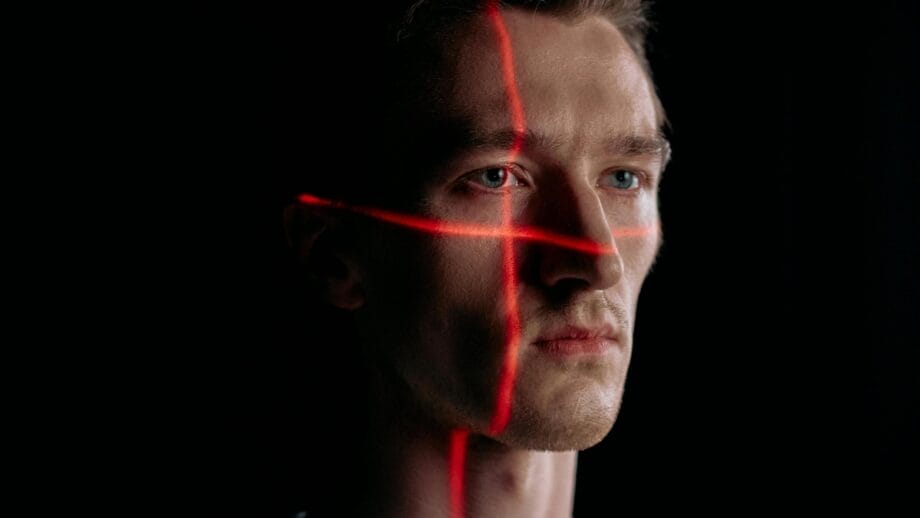
Before going deeper into the human side of it, the immediate thing people notice is how calm the process feels. You sit, the camera rotates, and suddenly a full 3D map of your face shows up. No pressure to react. No awkward mirror moments. Just data that paints a picture of symmetry, fine lines, volume pockets, and the natural flow of facial proportions.
And that moment, that first scan, often sets the rest of the consultation in motion.
Here is where training, technique, and modern tech come together – education around these methods, helping practitioners refine how they interpret imaging and apply it to real cases.
What 3D Facial Scanning Brings to the Table
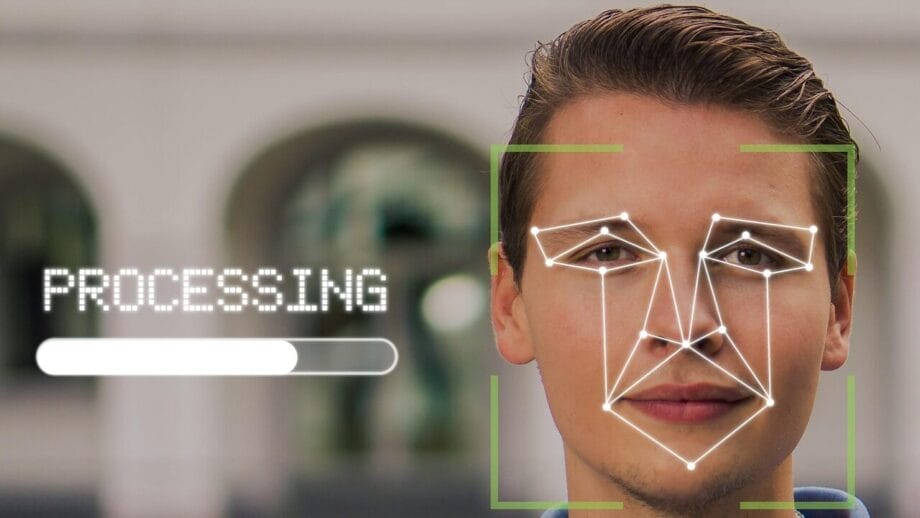
People often ask why so many clinics are investing in scanning devices. The short explanation is simple. It cuts down on uncertainty. When you can rotate a client’s face digitally and study it from angles that even a mirror can’t give, decisions start to feel more grounded.
The more interesting explanation lies in the tiny details. Skin thickness. Subtle asymmetries. Volume shifts that would be hard to see with the naked eye. 3D scanners capture all of this in seconds. Then the practitioner can overlay potential treatment plans on top of the digital image. It becomes easier to decide how much product is ideal or which technique fits best.
A big shift shows up in consultations where clients struggle to articulate what bothers them. Instead of long descriptions, the scan lays everything out. Little dips near the temples. Softening of specific contours. Small irregularities left from previous treatments. Once both sides see the same image, conversations become clearer.
And clients walk away with realistic expectations because the scan doesn’t exaggerate. It shows the face as it is.
Why It Matters for Fillers and Mesotherapy Planning
“Safety starts with a map. Seeing structure and symmetry upfront leads to choices that feel precise, not approximate.”hubmeded.com
When people think about aesthetic planning, they picture needles first. What they don’t see is the amount of strategy behind every step. This is where 3D scanning plays its strongest role. It gives a full baseline before any decision is made.
One of the most practical wins is consistency over time. You have the starting scan. You return after a few months. Then the system layers old and new data, showing exactly what changed. No more guessing whether something faded or stayed. No need for vague memory comparisons.
This becomes essential for mesotherapy plans, too. Treatments that focus on hydration, brightness, or overall texture improvement often involve several sessions. Scanning helps track each milestone. Even tiny improvements in tone can be picked up by the system before the client notices them in the mirror.
Another advantage lies in safety. With a digital map, practitioners get a better sense of areas that need caution. Facial structure, depth, and symmetry are easier to analyze. The goal is to make choices that feel precise instead of approximate.
And the client ends up with a layout of their journey that they can revisit anytime.
The Emotional Side No One Talks About
Technology in aesthetic clinics usually gets discussed in technical terms. Angles, volumes, surface data, all very structured. But the emotional part matters too.
Clients frequently carry uncertainty. Not fear, exactly, just a quiet worry that they might choose something unnecessary or misunderstand what can be achieved. The 3D visualization gives clarity. It removes that moment where you try to figure out what the practitioner sees versus what you see. Suddenly, both sides look at the same screen, and relief enters the room.
People often comment on how it feels almost like a reveal. As if the camera is saying: here is the truth, without drama. Once that happens, planning becomes more collaborative.
Another subtle benefit is the way it helps clients avoid impulsive decisions. Seeing the full digital image creates a pause. A moment to consider whether they want subtle adjustments or a long-term plan. That pause makes everything healthier and more grounded.
How Clinics Integrate Scanning Into Everyday Workflow
You might assume such technology complicates the workflow, yet most clinics report the opposite. It simplifies intake. The scan is usually done before any conversation starts, almost like a new standard. Then the practitioner reviews the image with the client.
Some clinics even use scanning to show projected outcomes. Not a dramatic rendering. Just soft, realistic previews that represent possible improvements. It keeps expectations steady and helps clients avoid disappointment.
Behind the scenes, practitioners benefit from the data too. They store images, compare them over time, and refine their approach with each session. Continuous training becomes easier because you have a record of real cases to analyze later. This is one of the reasons education platforms put so much focus on diagnostic tools, technique improvement, and structured decision-making.
A Look at Where This Tech is Heading
“Clinics want one canvas, not scattered notes. When scans sit beside records, overlays, and outcomes, decisions get clearer and faster.”NCBI
3D scanning feels like the beginning of something bigger. The next steps are already forming. Some devices are adding AI-driven suggestions that give practitioners extra insight. Others are starting to integrate skin-depth analysis, predicting how certain areas might respond.
There is also a trend toward at-home scanning apps. They are not as precise as clinic systems, but they help clients track changes between appointments. Eventually, this will lead to hybrid consultations; part virtual, part in-clinic.
Clinics are also pushing for systems that connect scanning data with electronic treatment records. Everything in one place. Previous appointments, product placements, projected outcomes, before-and-after overlays. A full visual library.
And clients enjoy the transparency. It builds trust in a process that used to rely a lot on verbal explanations.
Why Clients Gravitate Toward Tech-Supported Consultations
People like certainty. Not absolute certainty, just a sense that decisions are based on more than intuition. Scanning offers that. It gives a neutral reference point that doesn’t change from day to day.
Clients also appreciate the visual storytelling aspect. Seeing how their face changes during the year, understanding what stays stable, and recognizing the impact of lifestyle. All of it adds a layer of personal insight.
This shift is making consultations feel more like a partnership. Less mystery. More conversation. More data guiding the plan.
And once clients experience a tech-supported consultation, they usually prefer it.
What This Means for the Future of Aesthetic Consultations
3D facial scanning has moved from novelty to standard. It changed the tone of consultations and added structure without removing the human side. Practitioners get clarity. Clients get transparency. The whole process feels more thoughtful.
And while the devices themselves keep improving, the biggest value lies in how humans use them. A skilled practitioner who knows how to read the scan and turn the data into a plan offers something clients can’t get elsewhere. A blend of experience, technique, and digital insight that brings a new kind of confidence into the room.
The future of aesthetic planning is not rushed. It is measured, mapped, and visually guided. Clients walk in curious and walk out with a sense of direction. And that, more than anything, is what modern consultations aim to provide.