Controversies and Setbacks Defined a Tumultuous Week in Tech
The week unfolded with a startling revelation from Jensen Huang, the billionaire founder of Nvidia, who acknowledged an extramarital affair with an alleged Chinese spy.
Subsequently, The New York Times reported that Huang had also engaged in a liaison with a married subordinate, which was followed by a Reuters piece detailing a third affair with yet another Nvidia employee.
Amidst these personal tribulations, one must ponder how Huang balanced these entanglements with his responsibilities as the head of a major tech company.
Following swift developments, his tenure is arguably at a critical juncture (incidentally, Apple’s hardware chief Johny Srouji has emerged as a potential successor—considering his luck).
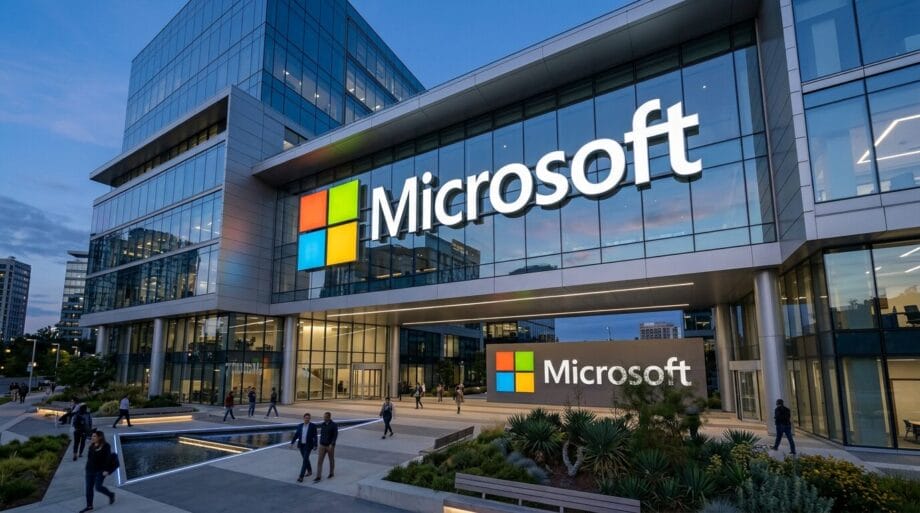
The week culminated in a different kind of technological fiasco as Microsoft grappled with severe server disruptions that reverberated across the internet.
Users dependent on Outlook and other Microsoft 365 services faced protracted outages, along with those utilizing applications reliant on Microsoft’s backend, including OpenAI and Anthropic’s AI platforms.
A variety of sectors—businesses, educational institutions, and public services—experienced significant inconveniences throughout Thursday and Friday, with Macworld reporters notably unable to conduct virtual meetings.
The impact was considerable, leaving multitudes affected for an unacceptably prolonged duration.
As of now, the precise nature of the server troubles remains shrouded in ambiguity, with only a nebulous account indicating that an overwhelmed server process was at fault.
As usual, social media discourse filled the informational void. Many attributed the disruptions to the company’s extensive workforce reductions this year and its perceived overdependence on AI technology.
While Macworld has not confirmed any substantial links between these layoffs and the outage, in the realm of scandals, perceptions often overshadow factual accuracy.
Regardless of the underlying cause, the damage to Microsoft’s reputation is likely to be severe, as stakeholders question the reliability of Microsoft in supporting essential online infrastructure.
In the midst of Nvidia’s and Microsoft’s respective predicaments, Apple found itself embroiled in a public relations dilemma that seems almost trivial in comparison.
Reports surfaced that some retail employees had inadvertently enrolled customers into recurring subscription services without their informed consent.
This matter, while serious and indicative of failings in Apple’s employee training and incentive structures, was overshadowed by the week’s more sensational narratives.
Apple is no stranger to controversies; nevertheless, its blunders have failed to gain the same traction in public consciousness as they once did.
For instance, earlier this fall, reports of iPhone Duo screen defects emerged, yet the public outcry was tempered, largely because the device is out of reach for many consumers.
In stark contrast, the widespread awareness of the Microsoft outage prompted even my mother to inquire about it as I penned this article.
Ultimately, the hardware issue, reminiscent of past controversies like Antennagate and Bendgate, lacked novelty and compelling human interest. No one was caught engaged in scandalous affairs; at least, not allegedly.
Source link: Macworld.com.