Tesla’s Autonomous Robotaxi Aspirations in San Diego Stir Speculation
Recently, sightings of gold-colored Tesla Cybercabs maneuvering through urban landscapes have sparked intrigue regarding the company’s potential plans to broaden its autonomous robotaxi service to include San Diego.
Despite numerous inquiries, Tesla representatives have yet to address emails from the Union-Tribune regarding any intentions to initiate testing, data gathering, or mapping endeavors within the city.
Furthermore, the company has not commented on reports of these distinctive vehicles appearing in neighborhoods such as East Village, Pacific Beach, Sorrento Valley, and around San Diego International Airport.
Images and brief videos depict what seems to be a prototype Tesla Cybercab — a futuristic two-seat design characterized by a gleaming gold finish, the absence of side mirrors, a rear window, and the unconventional omission of a steering wheel, replaced by a central screen.
An official from the Metropolitan Transit System (MTS) indicated to the Union-Tribune that they are not informed of any ongoing autonomous vehicle testing programs by Tesla in San Diego. This sentiment was echoed by a representative from the city.
Nevertheless, local governments lack authority over the deployment and operational timelines of autonomous ride-hailing services in California.
According to the California Department of Motor Vehicles, regulatory oversight rests with state agencies. Tesla Robotaxi LLC possesses a permit allowing it to “test with a safety driver authorized to test on any public road” throughout the state.
Additionally, through the California Public Utilities Commission, Tesla has secured a Transportation Charter-Party (TCP) permit.
This permit authorizes operation with a human driver in traditional vehicles, yet not for autonomous vehicles engaged in public charter services.
A spokesperson from the commission confirmed in an email that Tesla “has not requested nor been granted any changes to their TCP permit since it was approved.”
If Tesla ventures into the San Diego robotaxi market, it will encounter formidable competition; Waymo is already making significant strides.
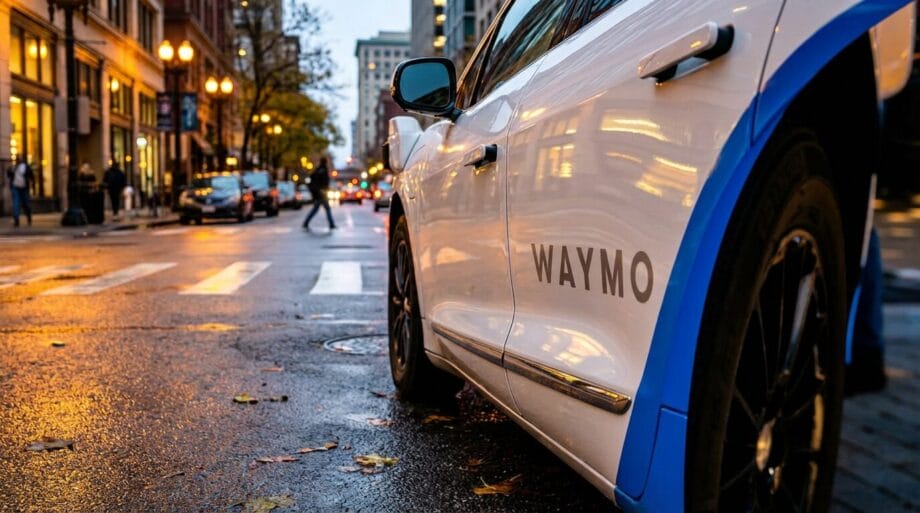
The Silicon Valley-based firm, a subsidiary of Google’s parent company, Alphabet, has been conducting assessments with light-blue all-electric Zeekr RT minivans across the San Diego area, utilizing a human driver in the front seat.
Last month, Waymo announced intentions to transition to fully autonomous operations, further enriching its data collection on local roads and freeways.
The company is gathering information in various neighborhoods, including Pacific Beach, Normal Heights, La Playa in Point Loma, and South Crest, though it has yet to extend services as far north as La Jolla.
Public robotaxi services are anticipated by the end of this year, with a Waymo project manager stating, “Take that first ride with us, and we believe it’ll be quite a magical experience.”
Meanwhile, Tesla has already commenced robotaxi operations devoid of human drivers in several cities, including Miami, Tampa, and Austin. Additionally, a ride-hailing service has been launched in San Francisco featuring a human driver.
In its recent second-quarter earnings report, Tesla disclosed the commencement of Cybercab production at its Texas Gigafactory.
For over two years, CEO Elon Musk has emphasized his commitment to the company’s future, investing in robotics, autonomous vehicle technology, and artificial intelligence.
Sightings of the gold Cybercab prototypes have also emerged in Los Angeles.
MotorTrend magazine featured images of the autonomous vehicle at a charging facility in Culver City.
Earlier this week, a TikTok video captured by the automotive social media outlet CarSpex showed the two-seater navigating out of a parking area onto a residential street in West Los Angeles.
Despite the burgeoning interest, the dawn of the Autonomous Vehicle (AV) Age has not been without resistance.
In January, the MTS Board of Directors overwhelmingly voted 12-1 in favor of a resolution opposing the proliferation of Waymo robotaxis, citing concerns over potential job losses among cab drivers, safety implications, and the possibility of robotaxis obstructing first responders.
San Diego City Councilmember Sean Elo-Rivera, who chairs the Taxi Advisory Committee, remarked, “Autonomous vehicles don’t just change how people move. They literally replace people.”
Source link: Sandiegouniontribune.com.